



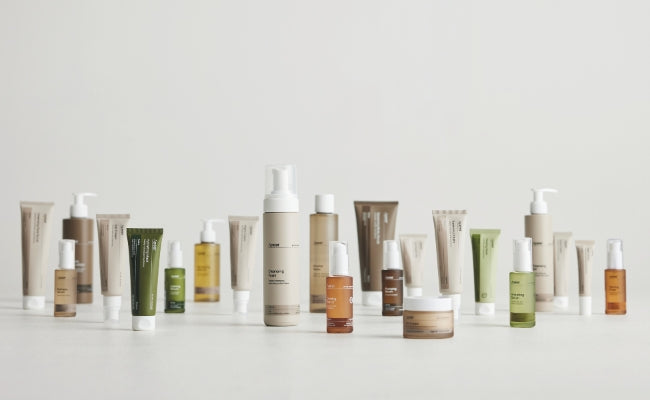

How to keep your skin hydrated
Moisture is one of the most important factors for maintaining healthy, supple, and radiant skin. When skin is properly hydrated, it not only looks better but also functions better as a protective barrier against external aggressors such as pollution and UV rays.
Dry skin, on the other hand, can lead to a range of issues, including irritation, fine lines, wrinkles, and loss of elasticity. Moisture is therefore crucial for your skin to protect itself and appear healthy and youthful.
However, moisture is about more than just adding water to the skin. It’s about using the right products that both hydrate the skin and help it retain moisture. When skin is properly moisturized, it is better able to regenerate, protect itself from damage, and maintain a healthy barrier.
What ingredients should I look for to retain and add moisture to my skin?
When you’re looking for skincare products that can help add and retain moisture, understanding which ingredients are most effective is crucial. It’s not enough to just use any moisturizer – the right ingredients can and will make a big difference.
Hyaluronic Acid
Hyaluronic acid is one of the most popular moisture-binding ingredients on the market, and for good reason. Hyaluronic acid is naturally present in the skin, but its quantity decreases with age.
It can bind up to 1,000 times its own weight in water, making it an essential ingredient in products that aim to deeply hydrate. It’s important to note that hyaluronic acid comes in various molecular sizes, which affects how deeply it penetrates the skin.
In products like our Hydrating Serum, different molecular weights of hyaluronic acid are used to ensure that all layers of the skin receive optimal moisture.
Squalane
Squalane is a natural oil that mimics the skin's own lipids. It helps to seal moisture into the skin and prevent it from evaporating. Squalane is particularly useful for maintaining a healthy moisture balance because it penetrates the skin easily without leaving a greasy feeling. It is a fantastic ingredient for all skin types, especially those with dry or dehydrated skin that need extra help to retain moisture.
Glycerin
Glycerin acts as a humectant by drawing moisture from the environment into the skin. It ensures that the skin remains hydrated for longer, even under challenging environmental conditions. Glycerin is gentle and effective and is found in many of the most moisturizing products such as Cleansing Gel and Hydrating Mask, which both hydrate the skin during cleansing and intensive care.
By choosing products with these key ingredients, you can ensure that your skin receives both immediate and long-lasting moisture, while also protecting the skin's barrier against moisture loss.
How can I best hydrate my skin?
Hydrating the skin isn't just a matter of using a moisturizer occasionally – it's about following a skincare routine that optimizes hydration. By following a systematic routine, you ensure that your skin both receives and retains moisture for a longer time. Here are the most important steps to help you get the most out of your moisturizing products:
Cleanse the skin gently
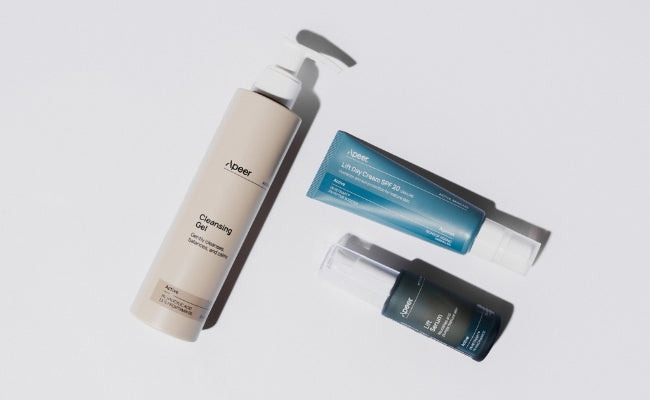
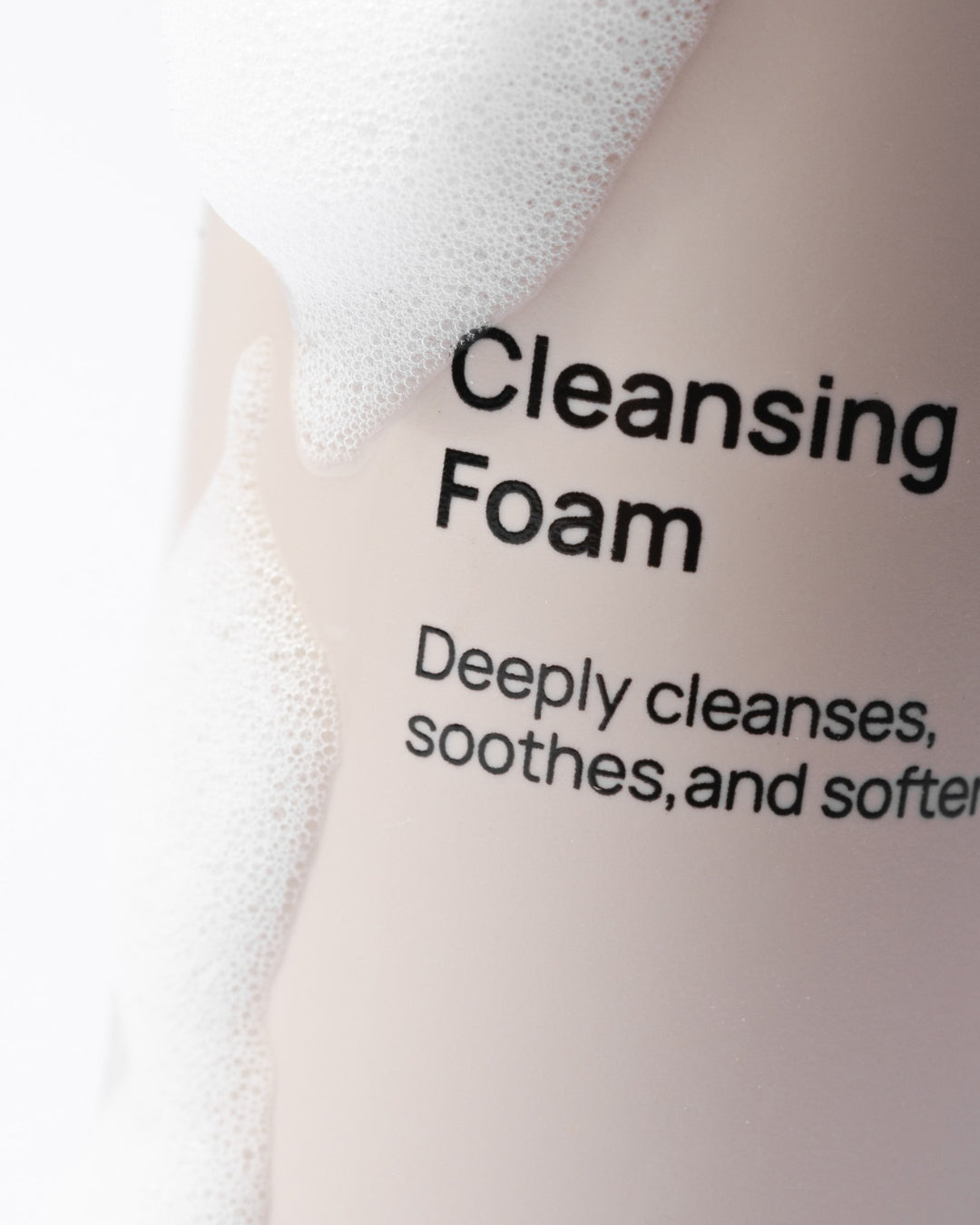
Cleansing is crucial for removing dirt, makeup, and excess oils from the skin, allowing moisturizing products to penetrate deeper. However, it's important to choose a cleanser that doesn't dry out the skin. Many cleansing products contain harsh ingredients that can strip the skin of its natural oils, which can worsen dryness. Our Cleansing Gel is a mild yet effective cleanser that removes dirt without drying out the skin, thanks to glycerin and Provitamin B5, which ensure moisture even during cleansing.
Apply a moisturizing serum
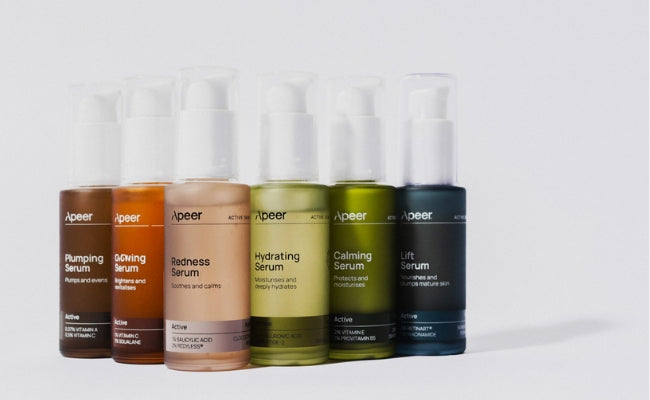
After cleansing, the skin is best able to absorb the active ingredients in a serum. Serum is the lightest and most concentrated part of your skincare routine, which is why it's where you can really provide deep hydration. At Apeer, one of the favorites is our Hydrating Serum, formulated to hydrate even the deepest layers of the skin with hyaluronic acid and peptides, which also help repair fine lines caused by dehydration.
Use a moisturizing day or night cream
The cream helps to seal in moisture and prevent it from evaporating from the skin. 24h Cream is a light yet effective day cream that retains moisture throughout the day. At night, the skin needs extra nourishment and regeneration, making Night Cream a perfect choice, as it both hydrates and rebuilds the skin while you sleep.
A good skincare routine with these steps will help your skin achieve and maintain the necessary moisture throughout the day and night.
How often should I use a hydrating mask?
Moisture masks are a fantastic way to give your skin an extra boost of hydration. They deliver a high concentration of moisturizing ingredients in a short time and can be used to restore the skin's moisture levels, especially when the skin feels extra dry or stressed.
Hydrating Mask
Hydrating Mask is a light gel mask containing moisture-binding ingredients such as glycerin, aloe vera, and cucumber water, which soothe and hydrate the skin. Using a hydrating mask one to two times a week can help maintain optimal moisture balance, especially during periods of extreme weather, stress, or after exposure to heat or cold that can dry out the skin. If your skin is very dry, it might be a good idea to apply the mask more often, but make sure to listen to your skin's needs and not overload it.
How do I protect my skin from moisture loss?
Retaining moisture in the skin is just as important as adding it. The skin constantly loses water through evaporation, a process known as transepidermal water loss. To reduce this process, it is important to use products that help seal moisture into the skin.
Night Cream
Key ingredients like ceramides and squalane play a central role in protecting against moisture loss. Ceramides act as a barrier that helps keep water in the skin and prevents it from evaporating. Squalane helps bind moisture in the skin and strengthens the skin's natural barrier. By using products like our Night Cream, which contains both ceramides and squalane, you help strengthen the skin's barrier and retain moisture throughout the night.
Is there a difference between moisturizing products for day and night?
Yes, there is a significant difference in how day and night creams are formulated. During the day, your skin needs protection from external factors such as pollution and UV rays, while at night, you should focus on regeneration and repair. Day creams are often lighter in consistency and contain ingredients like sun protection and antioxidants, while night creams are heavier and more concentrated to help the skin rebuild itself.
24h Cream
24h Cream is ideal for daily use, as it hydrates the skin without feeling heavy and helps protect the skin against moisture loss. Night Cream, on the other hand, is enriched with nourishing ingredients like ceramides and squalane, which help repair the skin while you sleep, ensuring that the skin is ready for a new day.
How can I tell if my skin lacks moisture?
It's not always easy to tell if your skin lacks moisture, but there are some clear signs you can look out for. When skin is dehydrated, it can feel tight, itchy, and dry, regardless of your skin type. Visible signs of dehydration can also include flaky skin, fine lines that suddenly appear more prominent, and a general dull and tired complexion.
Even if you have oily skin, your skin can still be dehydrated, which can lead to an overproduction of oil. It's important to understand the difference between oil and moisture. Moisture refers to the water content in the skin, while oil is the natural fat the skin produces to protect itself. If you experience these symptoms, your skin can greatly benefit from moisturizing products like Hydrating Serum or Hydrating Mask, which help restore the skin's moisture balance.
Can I use moisturizing products even if I have oily skin?
Yes, moisturizing products are essential, even for those with oily skin. Many people with oily skin avoid moisturizing products fearing they will make their skin even oilier. However, when oily skin lacks moisture, the skin will overcompensate by producing more oil, which can lead to breakouts and clogged pores.
By using light, moisturizing products that don't clog pores, you can help restore balance to your skin. Hydrating Serum is a perfect choice as it provides moisture without feeling heavy or greasy. Products with hyaluronic acid, which binds water without adding oil, are ideal for those with oily or combination skin.
Can I over-moisturize my skin?
While moisture is important, it is actually possible to over-moisturize the skin, which can lead to clogged pores and irritation. The skin's natural barrier needs to function independently, and if you constantly apply too much moisture, it can weaken the skin's natural ability to regulate itself.
It's important to find the right balance by listening to your skin and adjusting your routine as needed. Use moisturizing products with ingredients like hyaluronic acid and glycerin that work with the skin's natural processes, and be sure to avoid using overly heavy products if your skin doesn't need them.
How can lifestyle affect skin moisture levels?
In addition to the products you use, your lifestyle plays a crucial role in your skin's moisture levels. Your diet, how much water you drink, and how much sleep you get all affect how well your skin retains moisture. Here are some lifestyle factors that can help improve your skin's moisture balance:
Drink plenty of water: To maintain skin hydration from within, it's important to drink enough water daily. Lack of fluid intake can lead to dehydrated skin, regardless of how many moisturizers you use.
Eat a nutrient-rich diet: Omega-3 fatty acids, found in foods like salmon, chia seeds, and walnuts, help maintain the skin's natural moisture barrier.
Avoid long hot baths: Hot water can strip the skin of its natural oils, which can lead to dryness and irritation. Use lukewarm water when washing your face or taking a shower, and be sure to use mild products like Cleansing Gel that don't dry out the skin.
Frequently asked questions about skin moisture
How do I know if my skin lacks moisture or oil?
Dehydrated skin lacks water and can feel tight, dull, and have visible fine lines, even if it produces oil. Dry skin lacks oil and can feel rough, flaky, and irritated. If your skin feels both oily and tight, it most likely needs more moisture.
Can I over-moisturize my skin?
Yes, it is possible to over-moisturize the skin, especially if you use very heavy creams that clog pores. It is important to find a balance and choose moisturizing products that suit your skin type without overloading the skin.
Which type of moisturizer is best for oily skin?
Oily skin also needs moisture, but it is best to choose a light, oil-free moisturizer with ingredients like hyaluronic acid, glycerin, and niacinamide, which provide moisture without making the skin greasy.
How can I improve skin moisture levels through my lifestyle?
Drink plenty of water, eat a diet rich in omega-3 fatty acids (e.g., from fish and nuts), avoid overly long hot baths, and make sure you get enough sleep, as the skin regenerates and retains moisture best when it is balanced.
Is there a difference between day and night creams when it comes to moisture?
Yes, day creams are often lighter, while night creams have a richer consistency with ingredients like ceramides and squalane that help rebuild and seal moisture in the skin overnight, so the skin is regenerated when you wake up in the morning.