


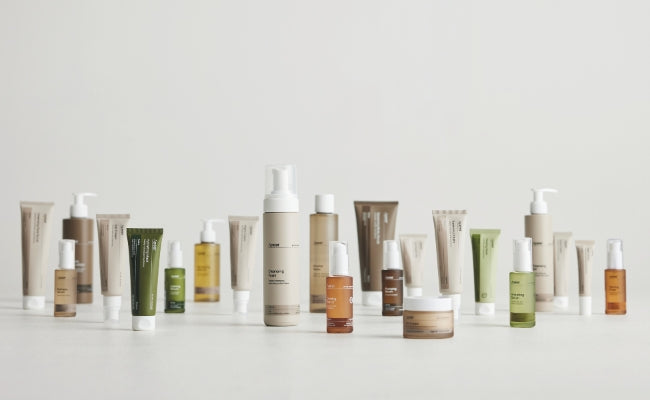
Thoughtfully developed skincare for combination skin
We have in-depth knowledge of different skin types, and we know that every skin is unique and individual. Combination skin is a mix of two skin types. As if one skin type wasn't enough to care for, you are blessed with two skin types. There is no one-size-fits-all or miracle cure when it comes to caring for your skin. We have made it our goal to guide you through the overwhelming amount of skincare, starting with the premise that you need to get to know and love your skin.
Characteristics of combination skin
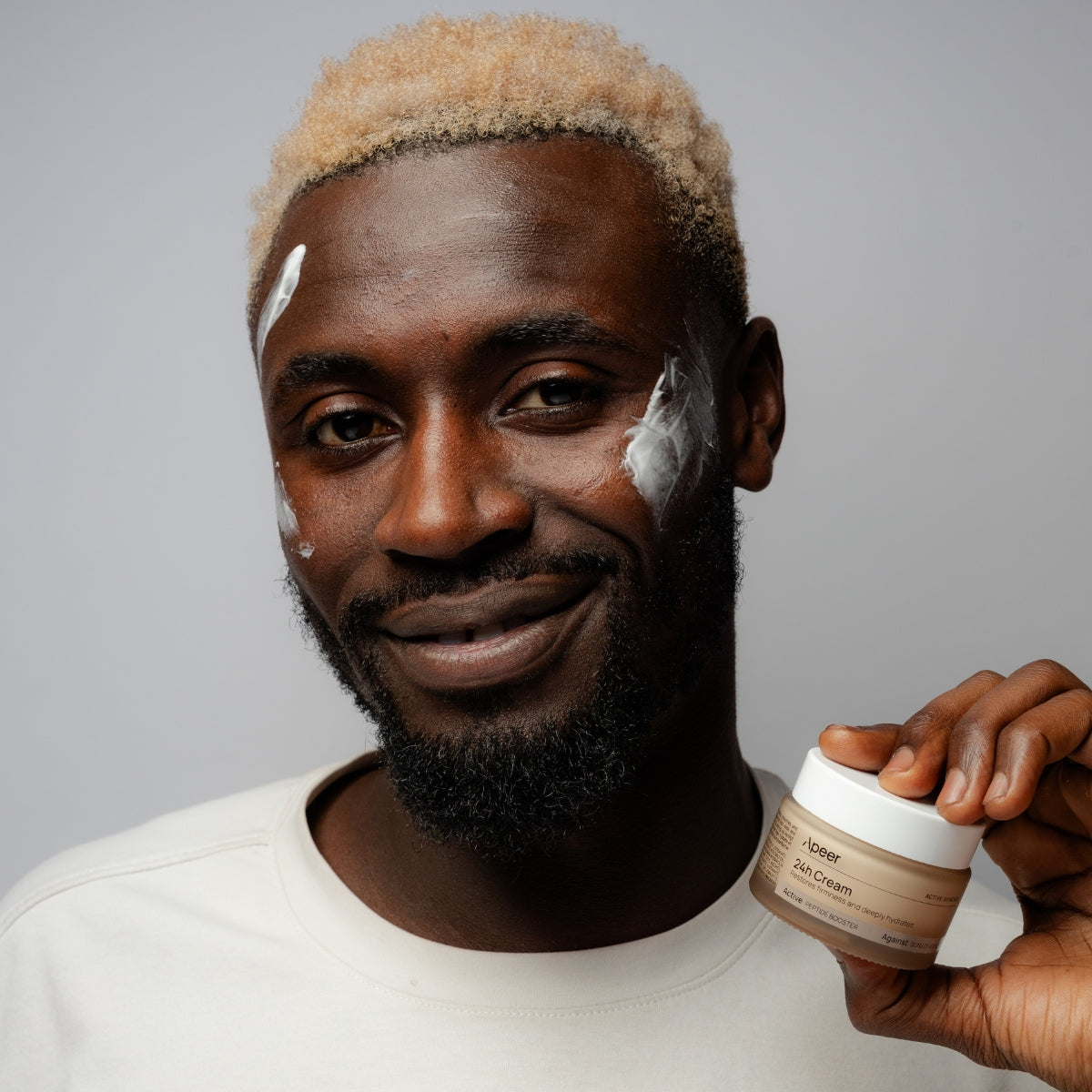
01. T-zone
In your face, the T-zone describes the three areas: chin, nose, and forehead. If you have combination skin, your T-zone will be oilier than the rest of your face. It will also be common for your T-zone to be shiny due to the overproduction of sebum. In contrast to the oily and shiny areas of your face, the rest of your face will most often experience dry skin.
Characteristics of combination skin
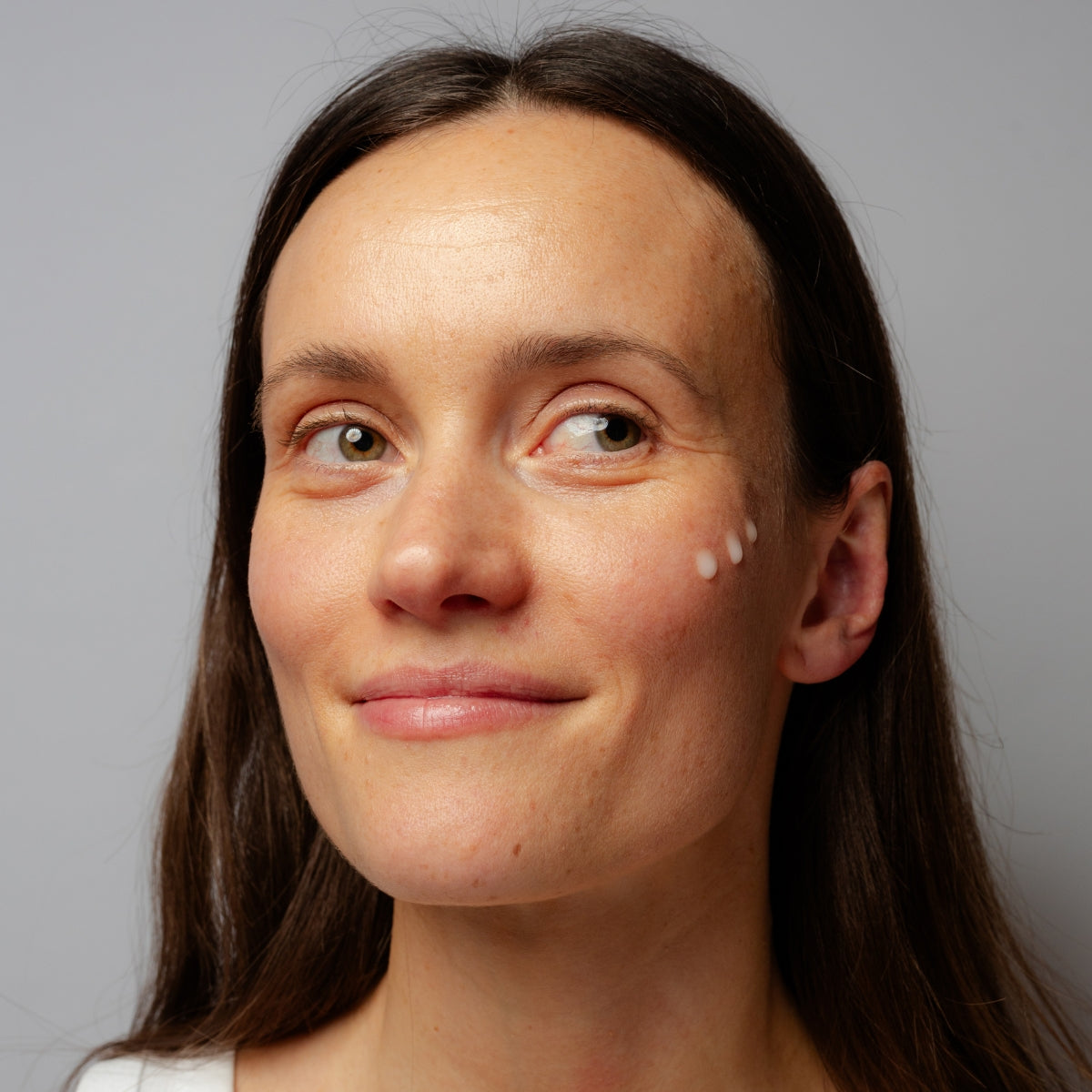
02. Dry/Oily
Combination skin usually describes the combination of dry and oily skin. You will most often experience dry skin on the face except in the T-zone, where the skin will be very dry and flaky with a dull complexion.

Characteristics of combination skin
03. Normal/Oily
Instead of being dry and oily, combination skin can also be normal in other facial areas and oily in the T-zone.
Characteristics of combination skin
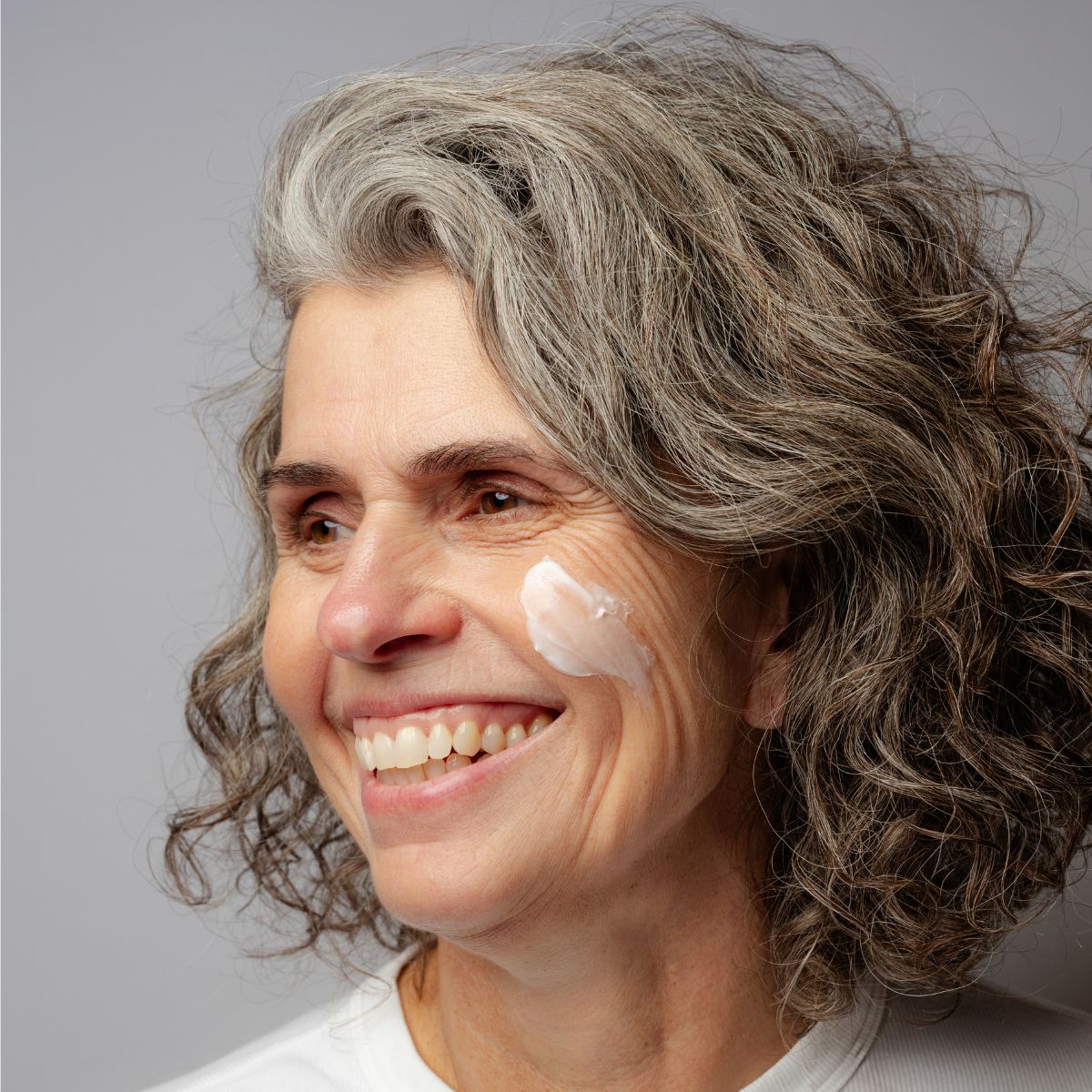
04. Clogged pores
Oily skin is most often caused by an overproduction of sebum in the skin. Therefore, it is quite common to experience clogged pores. Noticeably enlarged and clogged pores with blackheads tend to be most visible on the nose, which is part of the T-zone. The face's T-zone is generally more susceptible to clogged pores.
FAQ – Combination Skin
Your skin type is influenced by genetics. Genetics is one of the factors that has the greatest impact on your skin type. Hormones, stress, and environmental factors also affect your skin. In particular, seasonal changes in weather conditions and temperatures will also have an impact on your skin. Your skin will most often feel less oily in winter, and when summer arrives, your oily T-zone will begin to reappear.
It can be extra confusing to figure out how to treat and care for combination skin, as it's not just one skin type that needs attention. First, it's important to care for both skin types with a skincare routine that includes products addressing the needs of both.
While the next piece of advice might sound almost useless, it can be beneficial if you try to touch your face as little as possible. Bacteria are transferred from your hands to your face every time you touch it. Bacteria are a major contributing cause of clogged pores, so try to avoid self-inflicted bacterial contact.
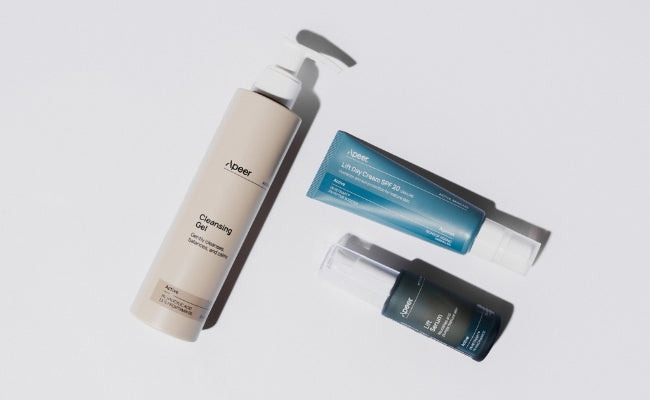
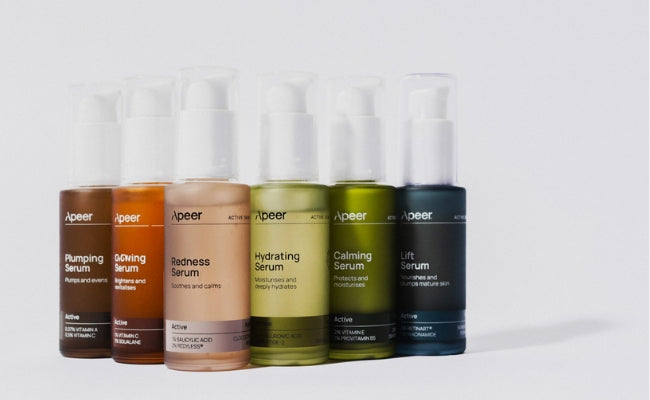
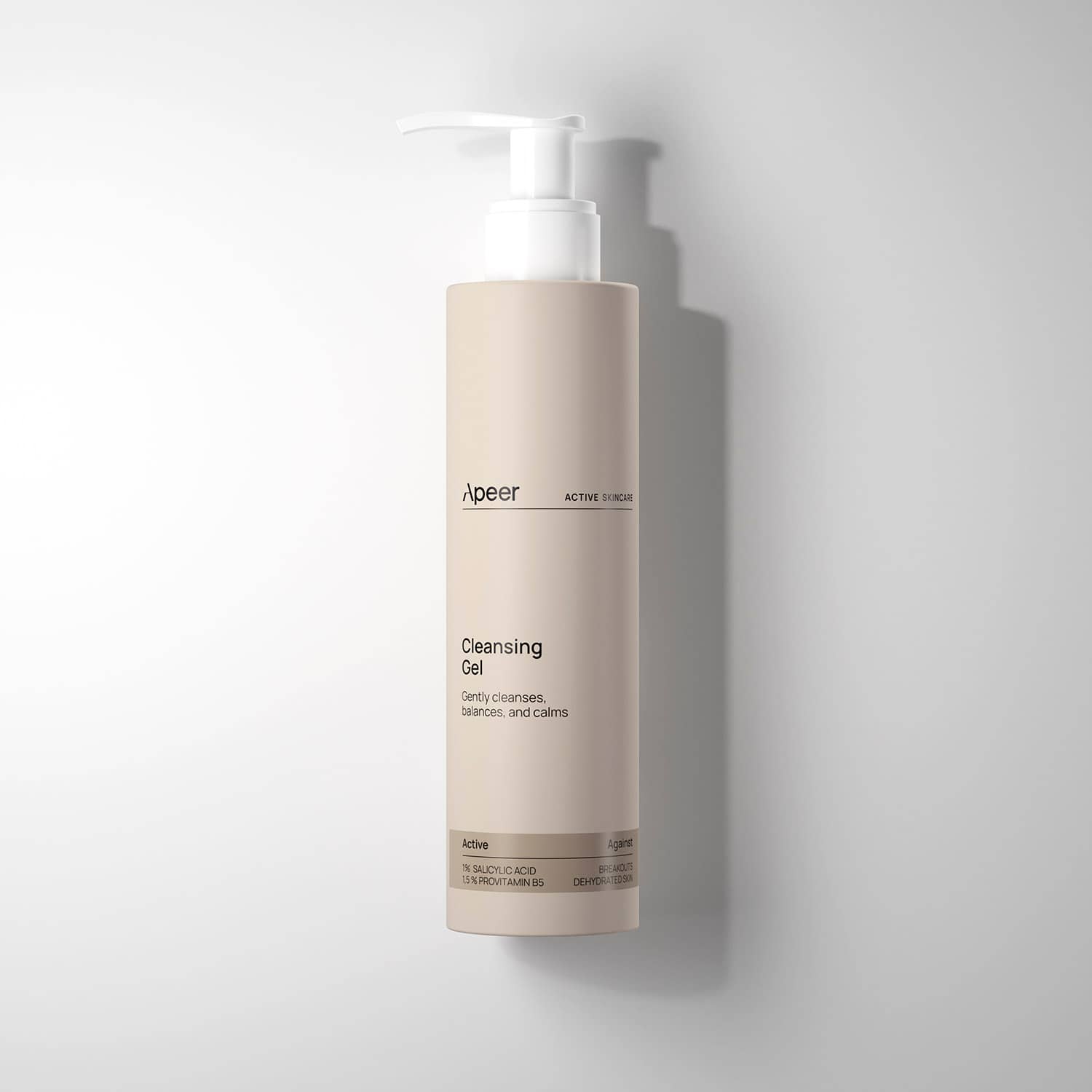
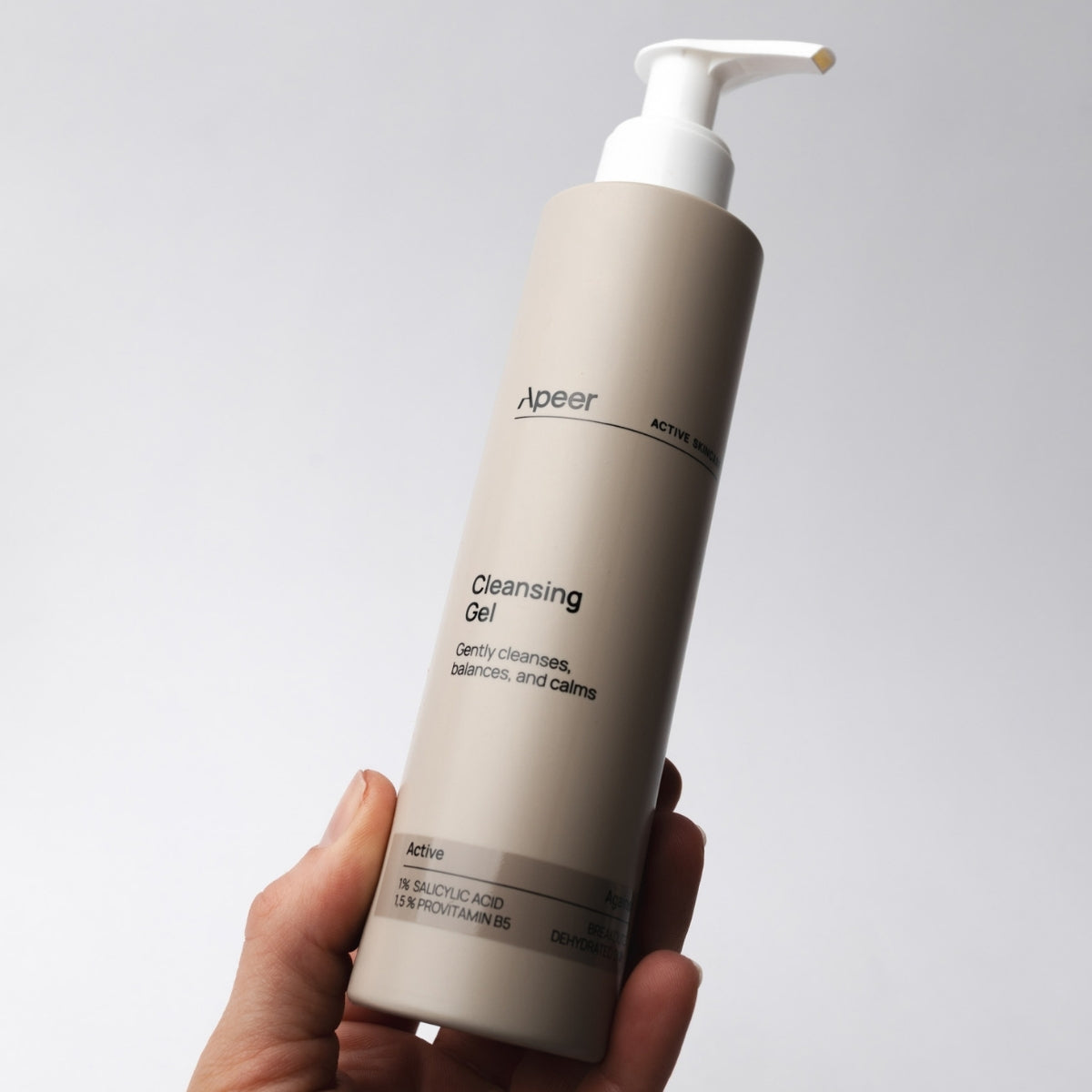
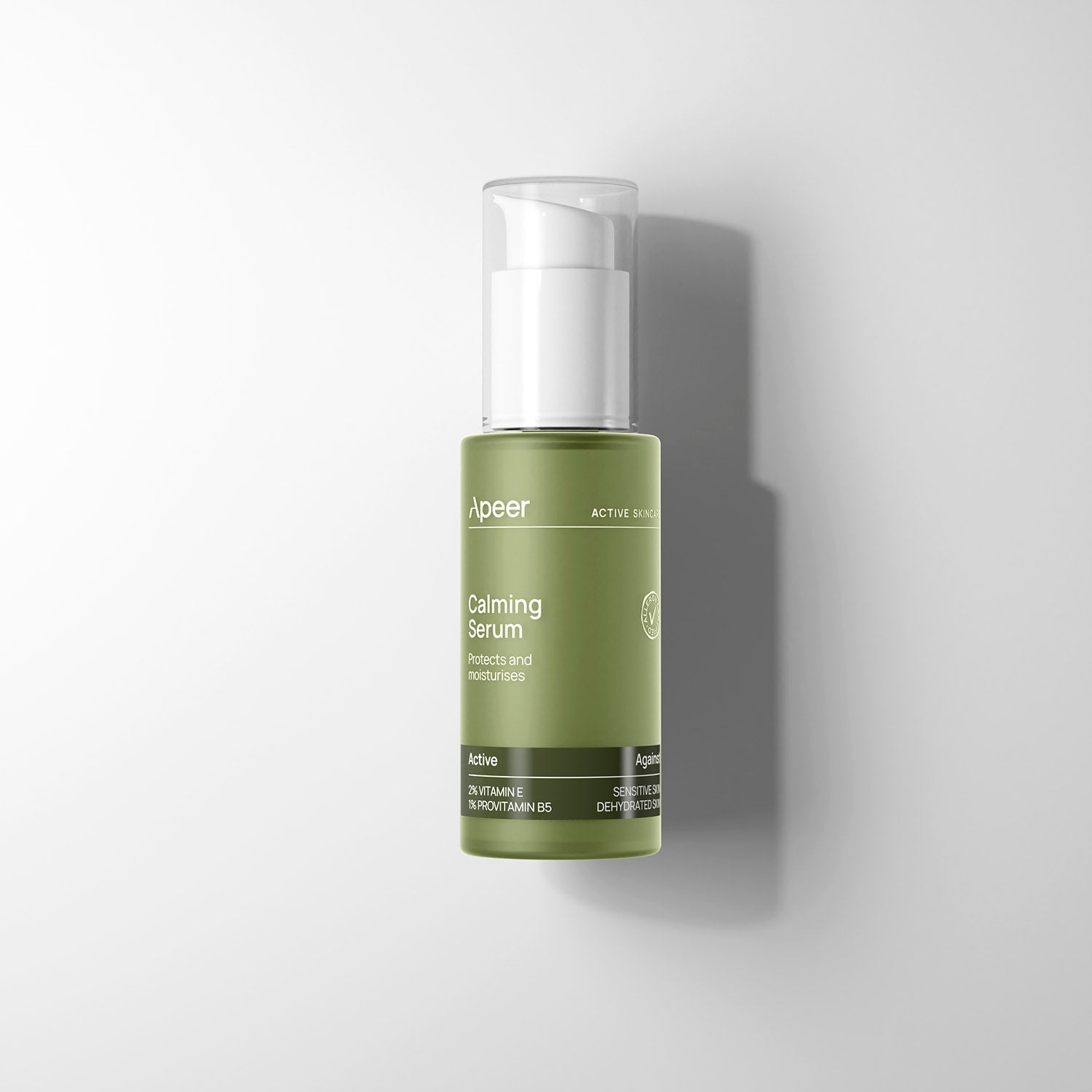
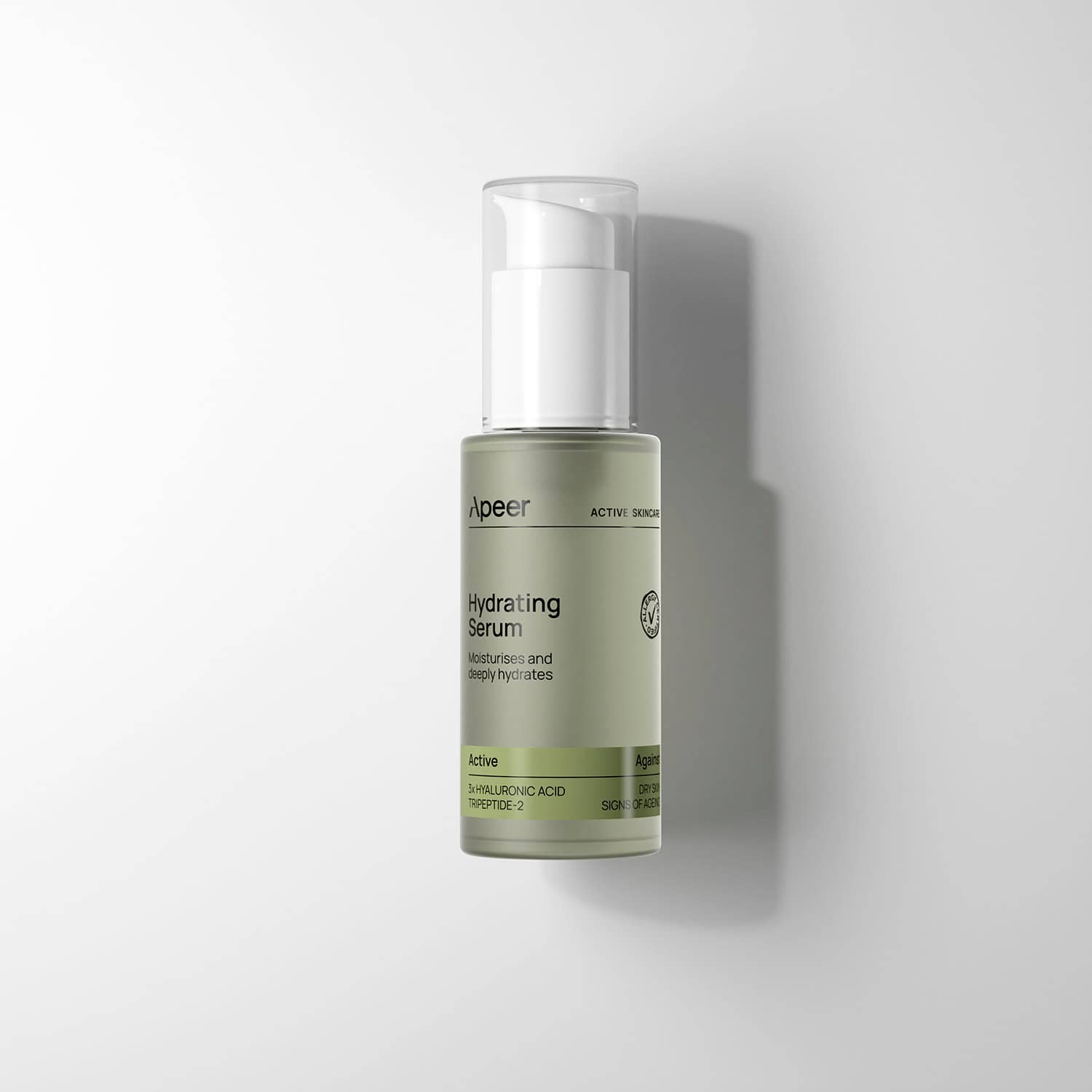
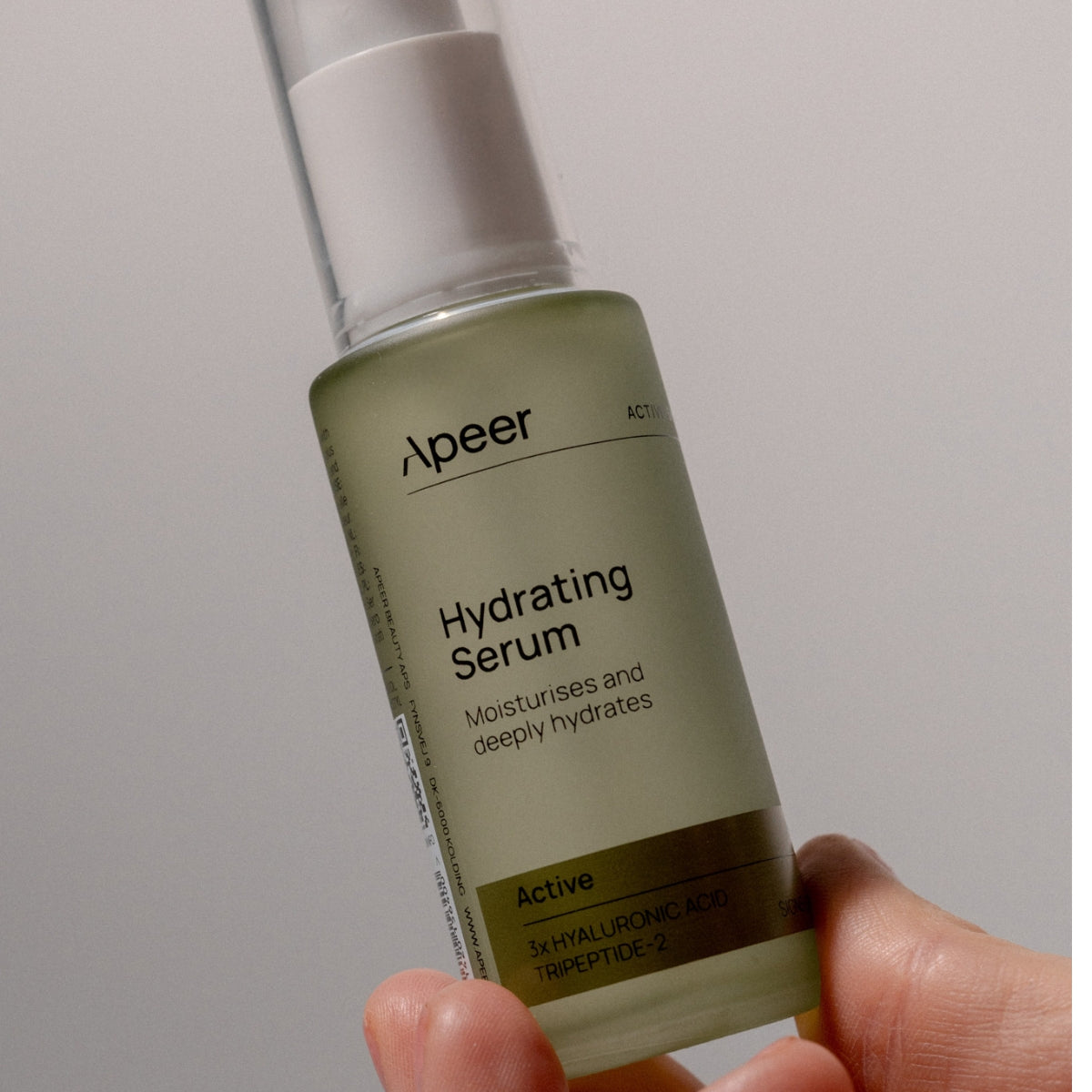
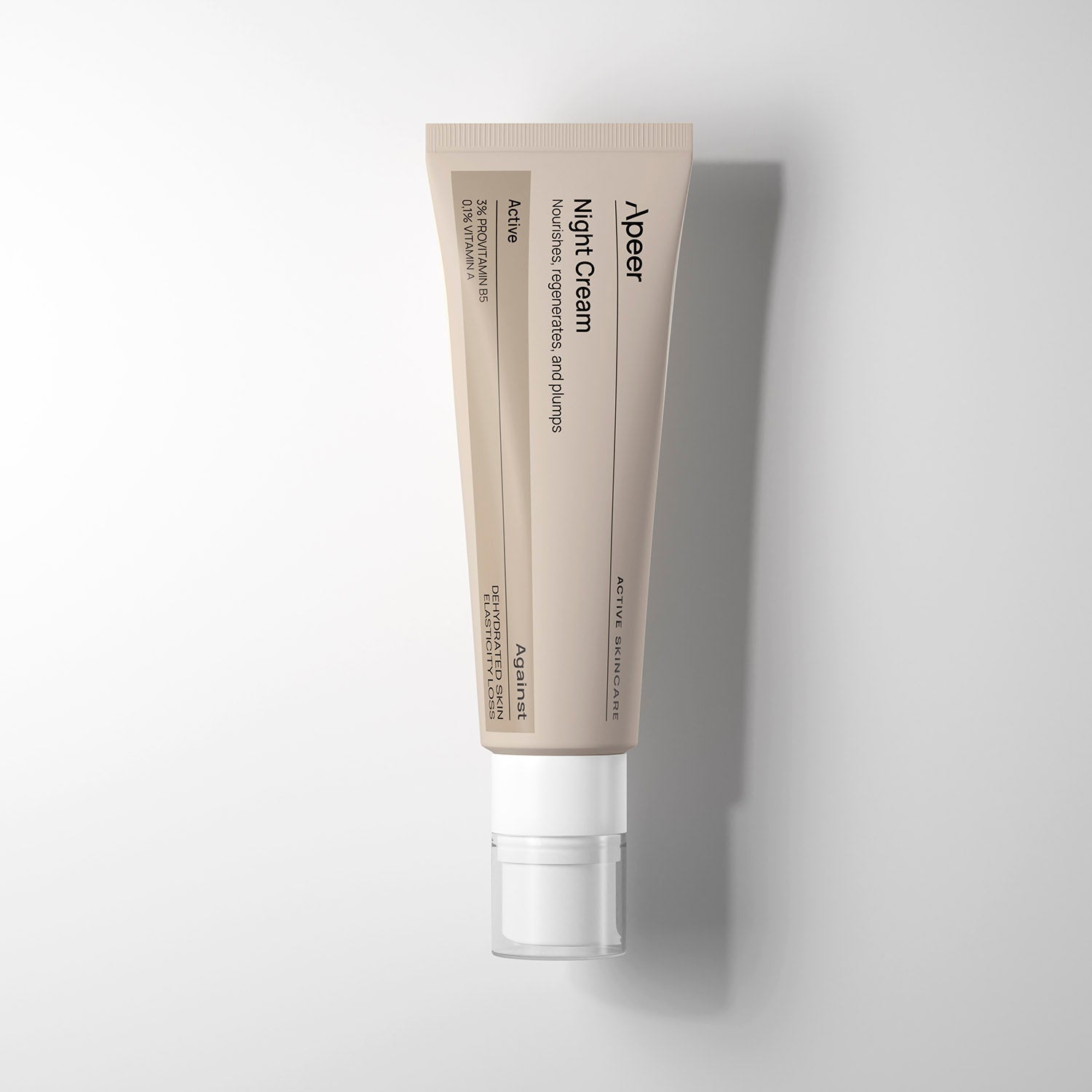
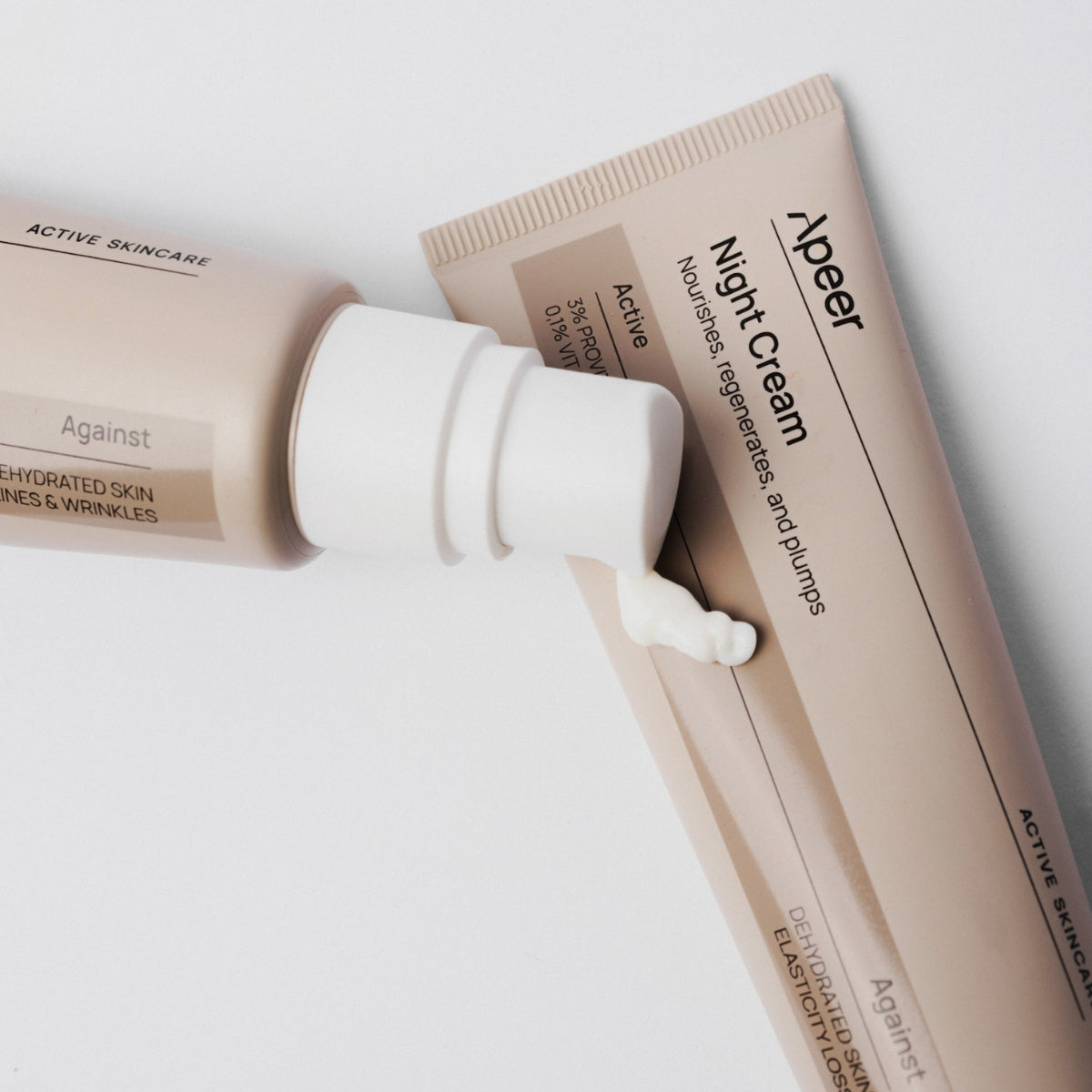
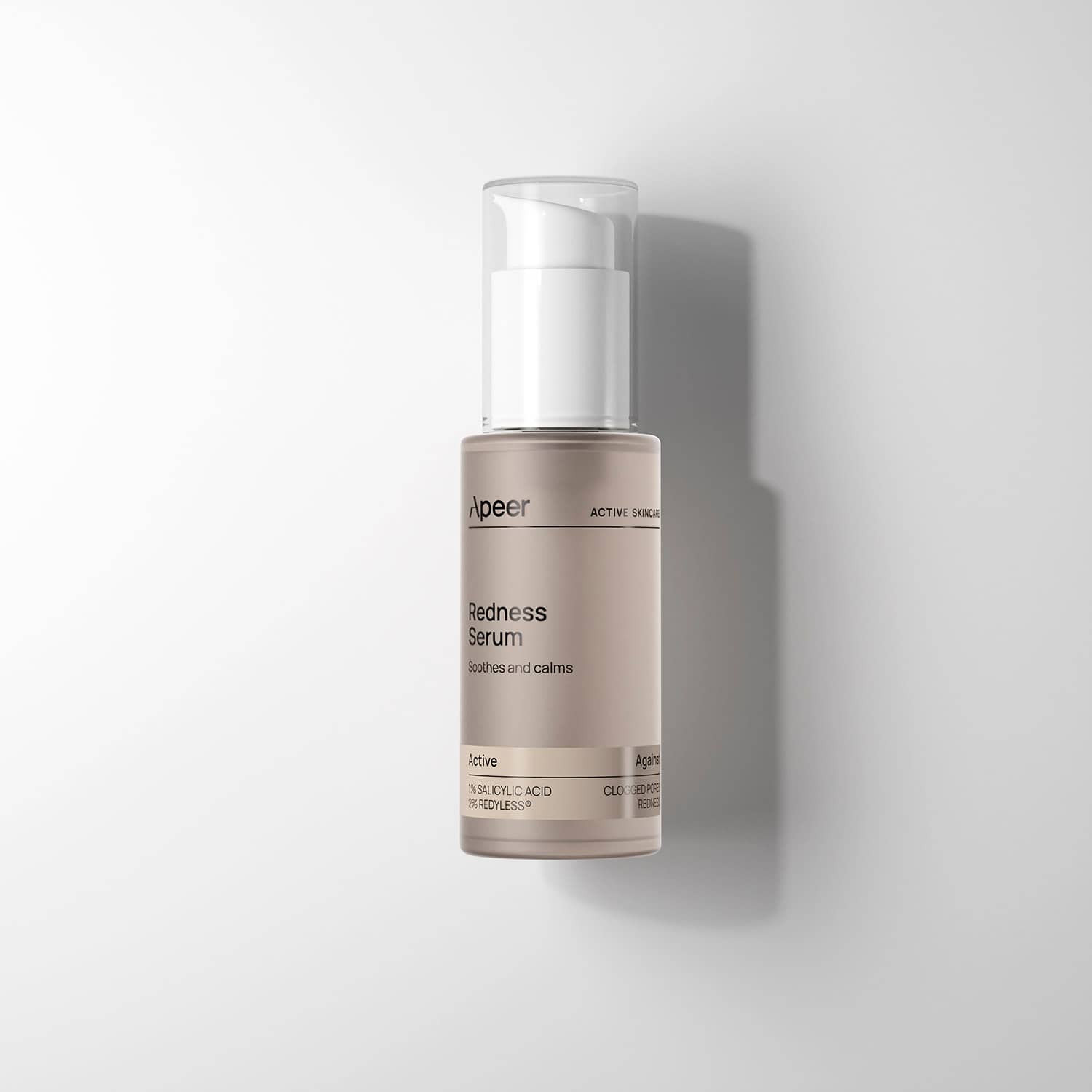
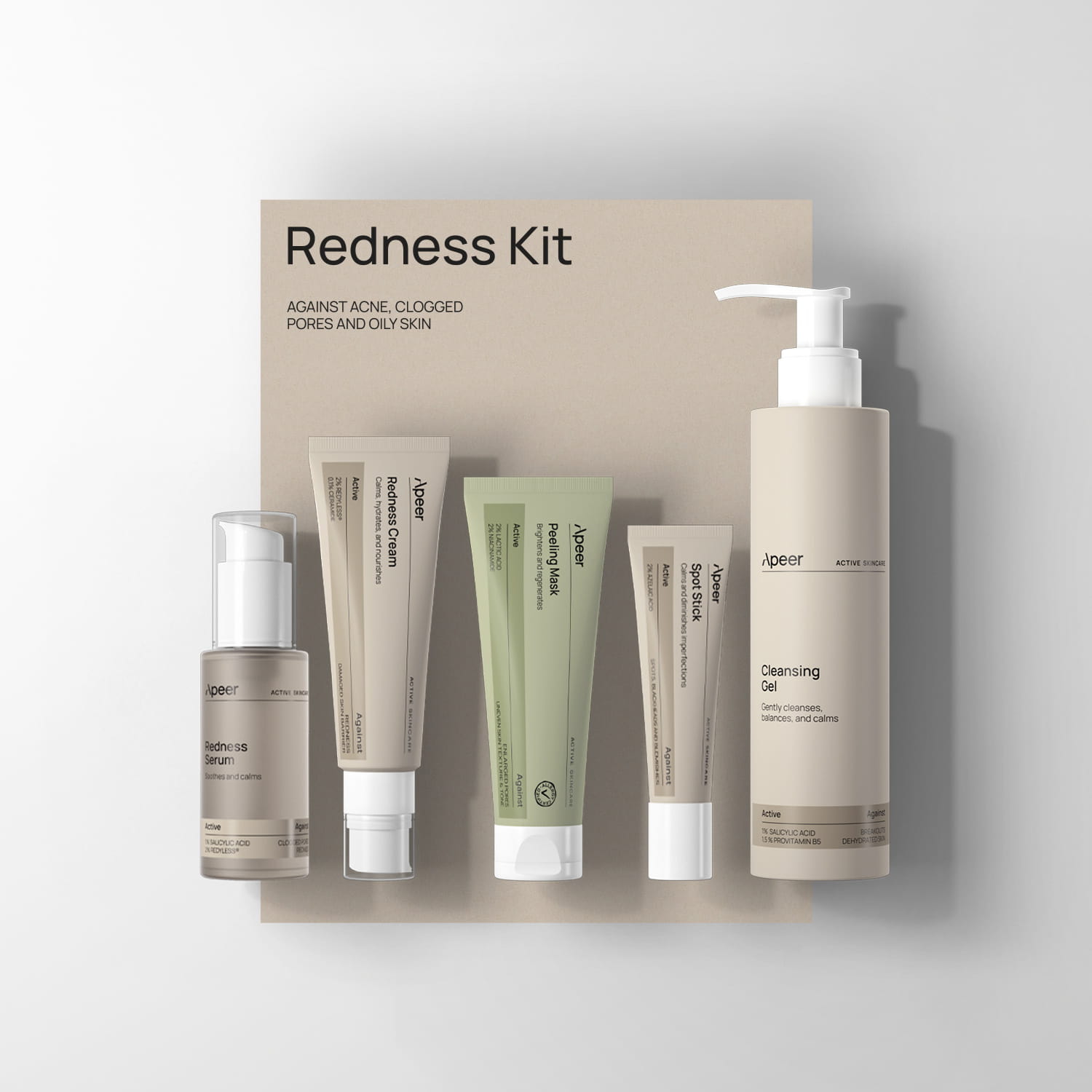
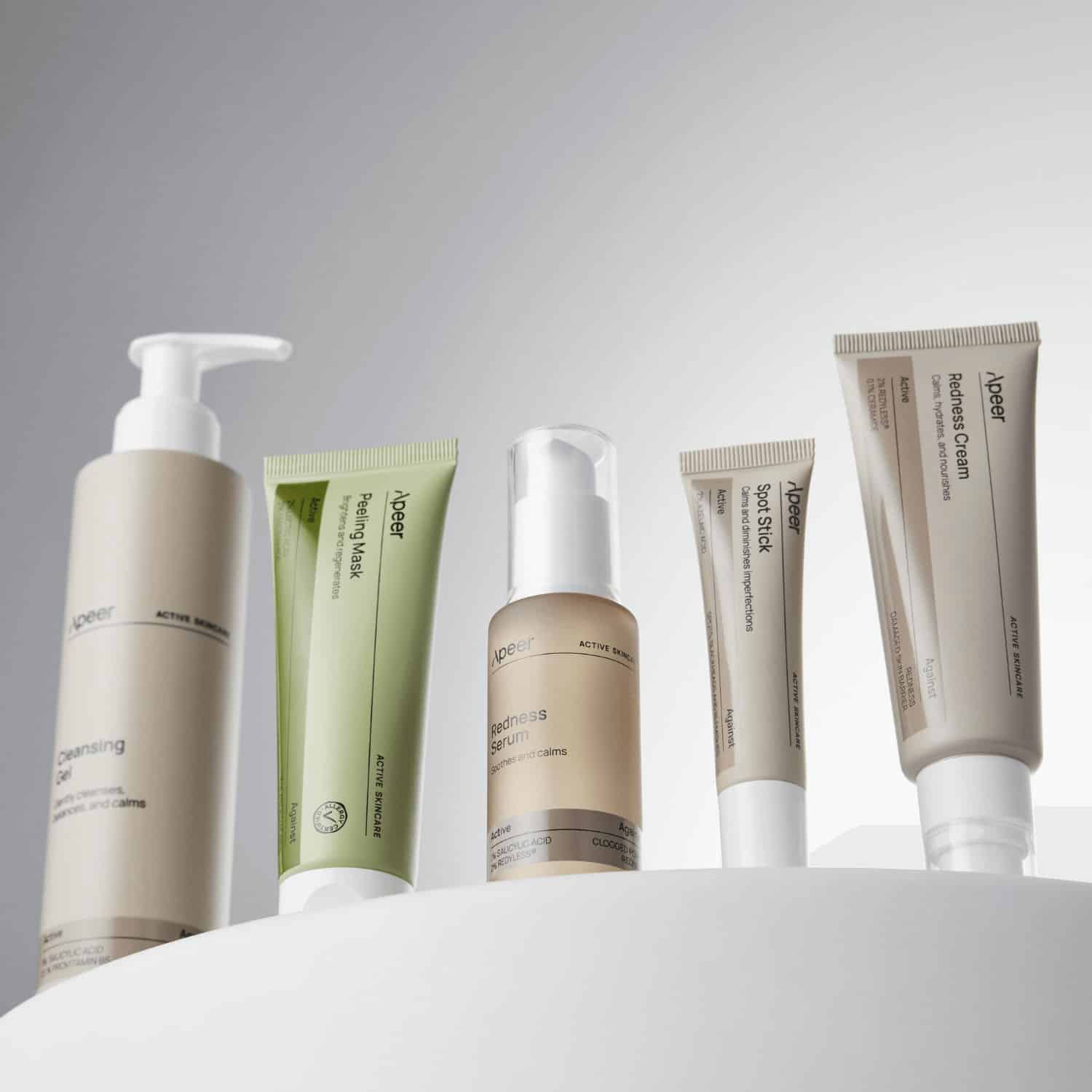
It's important to use a mild cleanser that won't strip your skin of its natural good oils or be too harsh and uncomfortable on dry areas of your skin. Therefore, you should use a cleanser that provides a clean face with gentle ingredients. We recommend our Cleansing Gel with Salicylic Acid, which gently exfoliates your skin, leaving it soft and even. Among our moisturizing products, we suggest our Hydrating Serum, which is based on an oil-free formulation, ensuring that your pores do not clog. Furthermore, a light cream with moisturizing properties is preferable as the final step in your skincare routine.
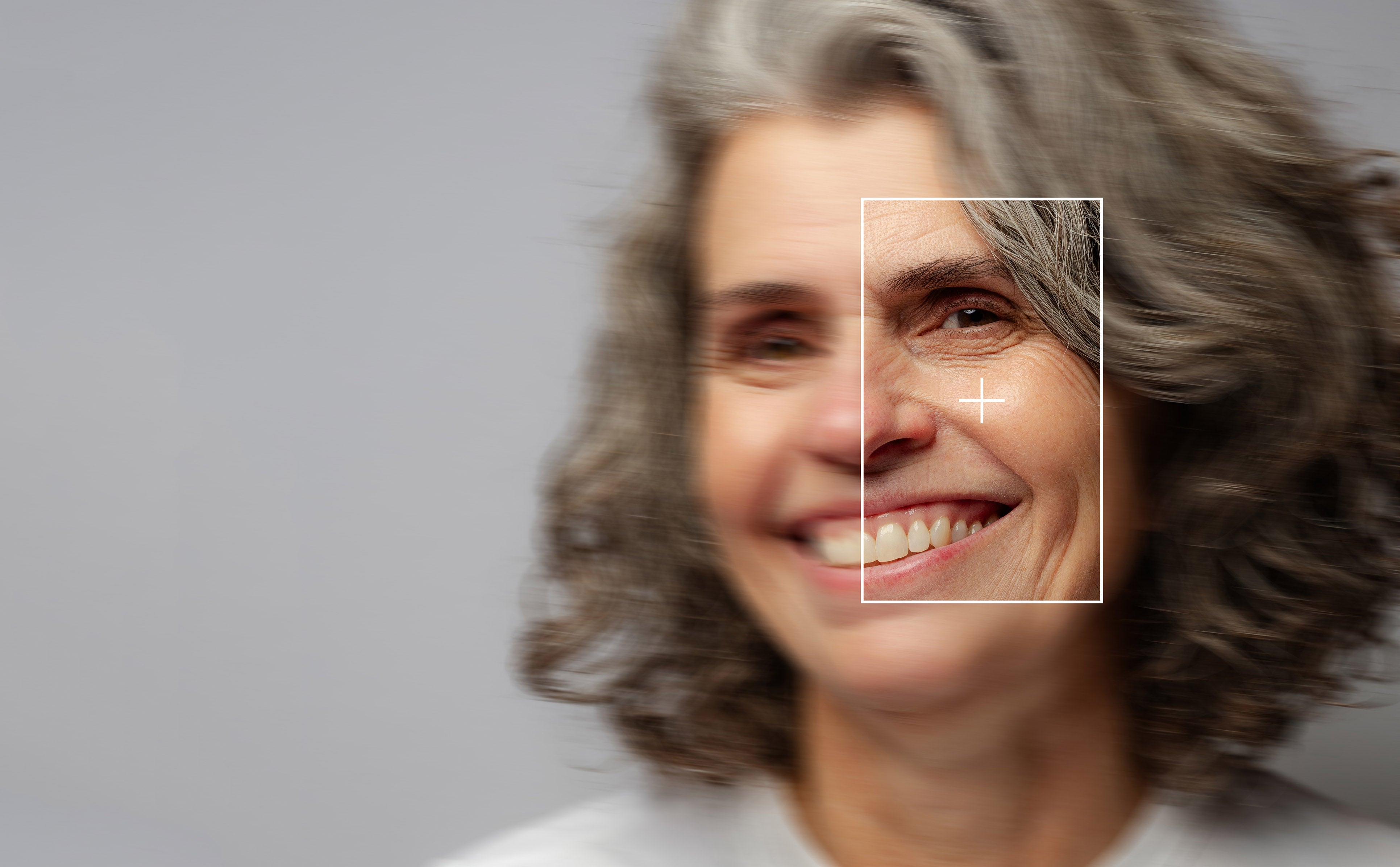

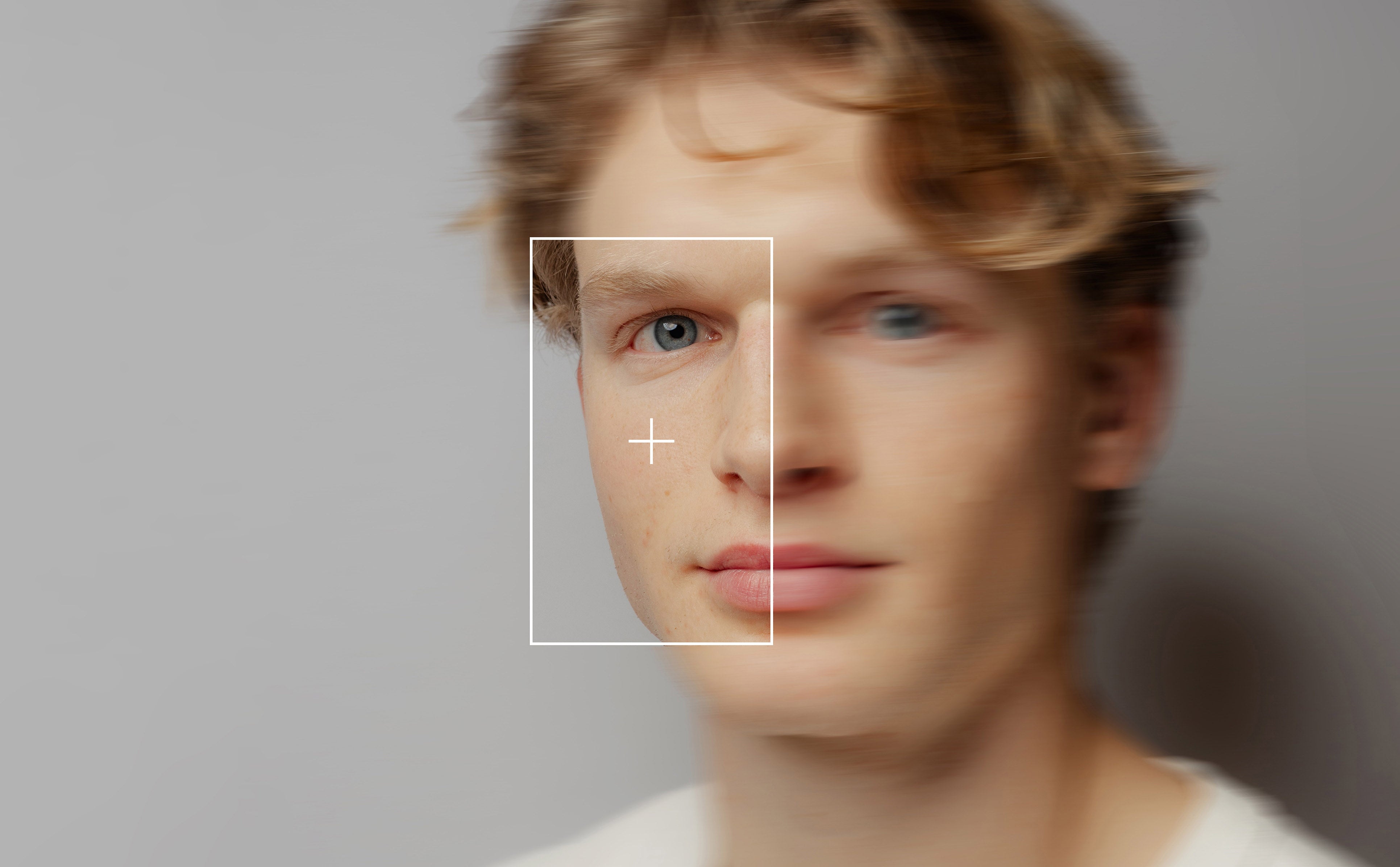
Skin Analysis
Knowing your skin is the starting point for all the skincare advice you will ever encounter. Get to know your skin.
Active ingredients
At Apeer, we develop our products with a clear purpose: to create skincare that makes a real difference. Each formula is carefully composed with active ingredients and plant-based extracts, selected for their documented effect on skin health. The result is advanced skincare that works effectively and gently – every day.
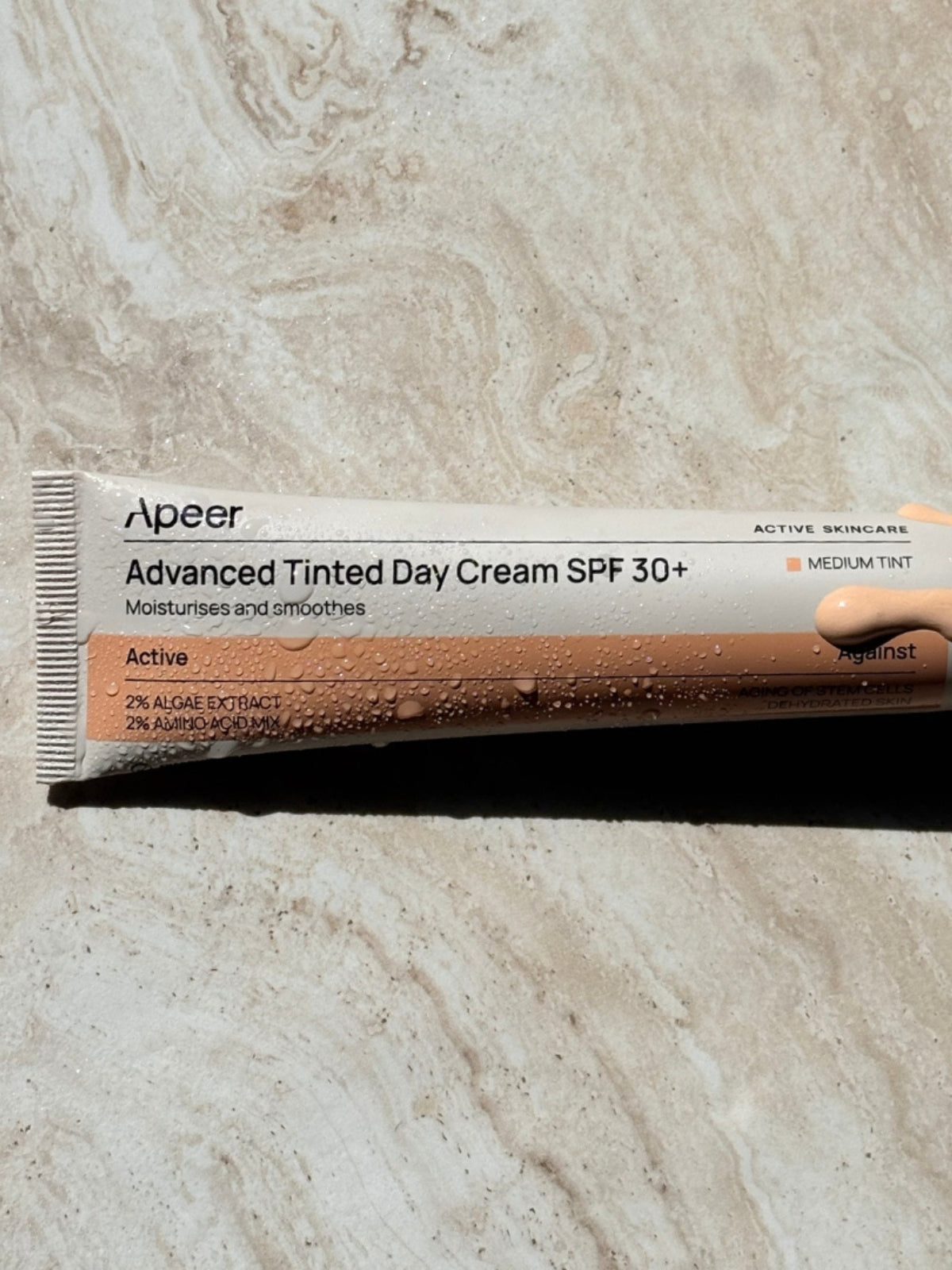
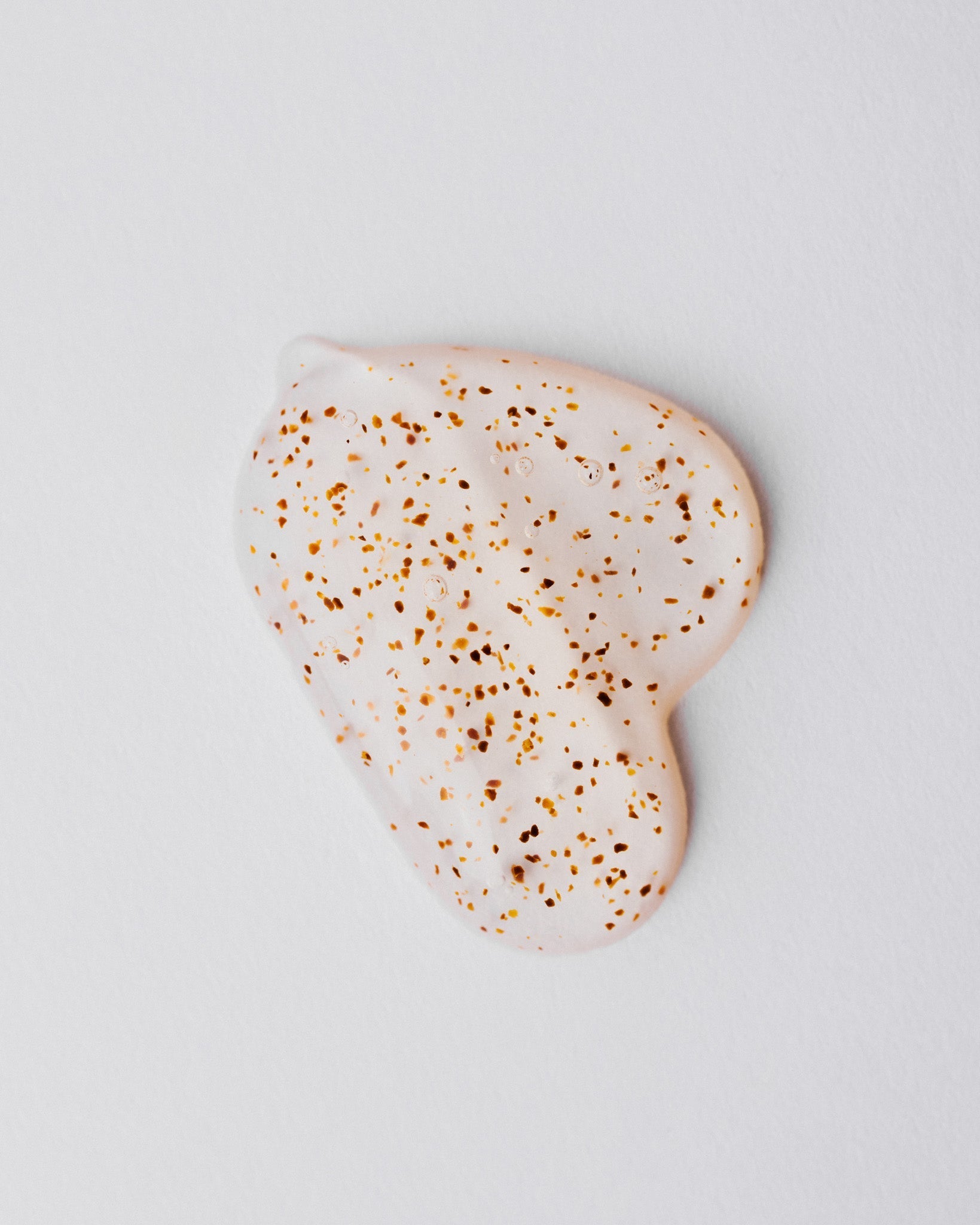
Combination skin
Combination skin is a mix of different skin types in various areas of the face. Typically, the forehead, nose, and chin can be more oily (known as the T-zone), while the cheeks and eye area can be more normal or dry. Caring for combination skin requires a balanced approach with products that can address both oil production and moisture needs in different areas.