





Vitamin A from A-Z
Vitamin A is a well-known ingredient in skincare, and for good reason. It has the unique ability to contribute to improved cell renewal in your skin. Among other things, it can help reduce visible signs of aging such as fine lines and wrinkles, and lighten pigmentation changes caused by sun damage. In addition, Vitamin A also strengthens your skin's structure, making it smoother and firmer.
Why is Vitamin A so important in skincare?
Vitamin A is one of the few ingredients that can stimulate your collagen production, improve cell renewal, and reduce signs of aging such as wrinkles and pigmentation spots. With age, the skin naturally begins to lose its elasticity and firmness, resulting in looser skin and the formation of fine lines and wrinkles. Vitamin A works precisely to slow down this process by promoting cell renewal and improving the skin's structure and appearance.
When you use Vitamin A in your skincare routine, you will most often experience your skin becoming firmer, smoother, and with an improved skin tone. Skincare with Vitamin A thus works both on the surface of the skin and in the deeper layers, where, as mentioned, it stimulates collagen production and helps restore your skin's youthful fullness.
The Lift Series: The best alternative to retinol
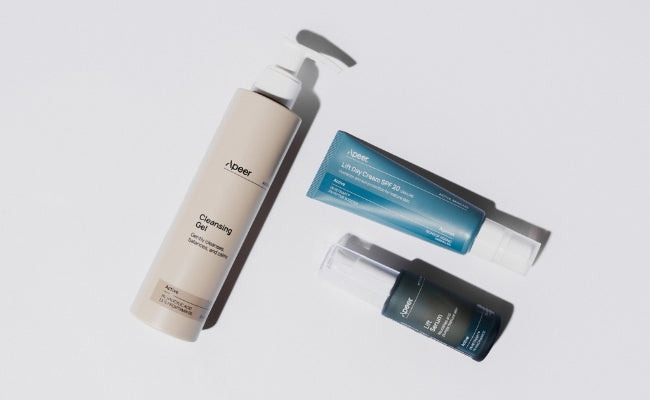
At Apeer, we have created our Lift series for those who want all the benefits of Vitamin A, but without the typical side effects such as irritation and dryness, which often accompany, for example, Retinol – which is a form of Vitamin A.
The series contains RetinART®, which is a natural alternative to retinol. RetinART® provides the same anti-aging benefits, but in a milder way, making the products suitable for even the most sensitive skin. From Lift Serum to Lift Day Cream – each product in this series works specifically to improve your skin's firmness, reduce wrinkles, and give you a youthful glow.
Different forms of Vitamin A
There are several different forms of Vitamin A, and they vary in strength and mode of action. Retinol is one of the most common forms, often used in anti-aging products. Retinol works by stimulating cell renewal and increasing collagen production, which helps reduce wrinkles and fine lines.
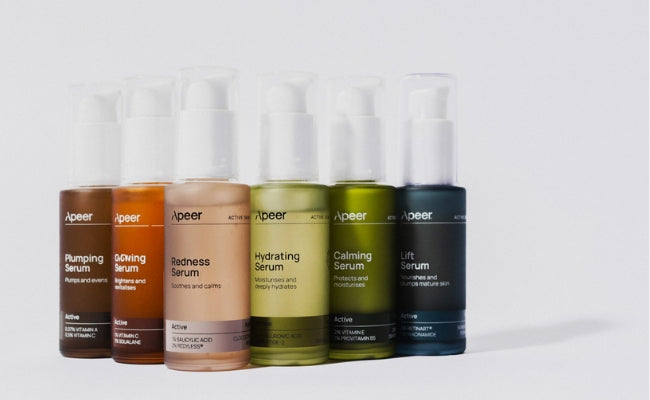
Another form of Vitamin A is Retinyl Palmitate, which is a milder variant. It is found, among other places, in our Plumping Serum. Retinyl Palmitate is perfect for those with sensitive skin or for those new to using Vitamin A, as it has fewer side effects than Retinol. However, don't underestimate its effectiveness! It still works effectively to combat signs of aging by renewing skin cells and preventing collagen breakdown.
Vitamin A for all skin types
Although Vitamin A is known for its anti-aging benefits, it is not just for mature skin. For example, if you have oily or acne-prone skin, Vitamin A can help regulate sebum production and minimize pore clogging, which can reduce breakouts. In addition, Vitamin A also has the effect of helping to reduce visible scars and improve the skin's overall texture.
For those with dry or sensitive skin, it may be necessary to start slowly with products containing Vitamin A – primarily to avoid skin irritation.
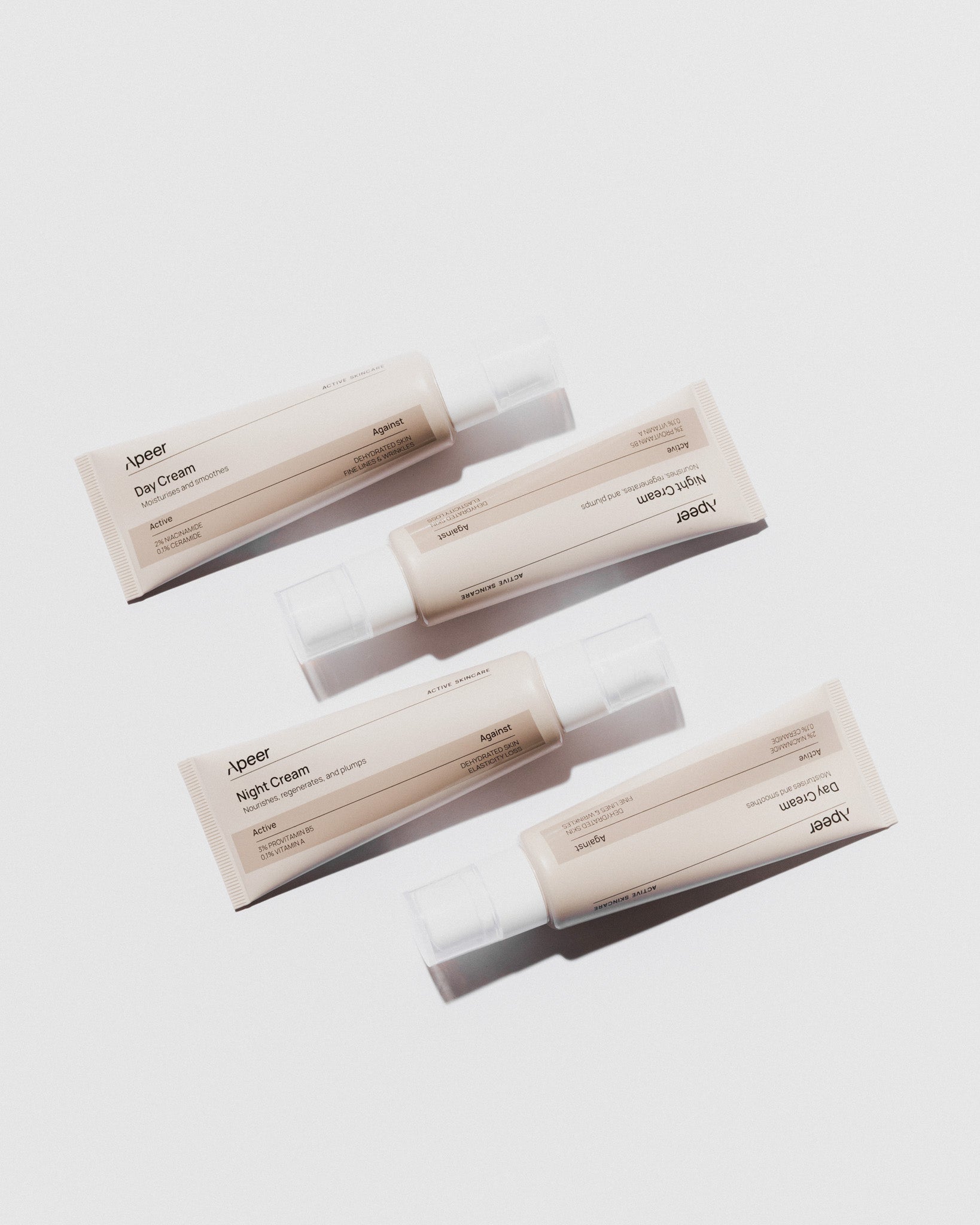
Products like our Night Cream contain both Vitamin A in the form of retinyl palmitate and moisturizing ingredients such as ceramides and squalane, which ensure that the skin remains moisturized and protected. This makes it easy to integrate Vitamin A into your routine without experiencing discomfort or dryness.
How to use Vitamin A in your skincare routine
When you start using Vitamin A, it's important to take it slowly. Your skin needs to get used to the ingredient, as it can be powerful. Start by using products like our Night Cream or Plumping Serum 2-3 times a week and gradually increase the frequency as your skin gets accustomed to it.
Using Vitamin A at night is most effective, as the ingredient works best when the skin is in its natural regeneration process. At night, skin cells renew, and Vitamin A aids this process by promoting cell turnover and improving your skin's elasticity.
Our Night Cream is a fantastic way to care for your skin while you sleep. It contains Vitamin A, which works with hyaluronic acid and ceramides to maintain moisture and prevent dehydration. Hyaluronic acid provides abundant moisture to your skin, while Vitamin A ensures that the skin remains firm and elastic.
Avoid irritation and build tolerance
When using skincare products with Vitamin A, some skin types may experience some irritation at first. This is completely normal, but precisely for this reason, it is important to introduce the ingredient gradually to minimize the risk of redness and dryness.
If you experience irritation, you can reduce the frequency of use – and at the same time, make sure you moisturize your skin well. Always use a moisturizing cream like our Redness Cream, which contains shea butter and ceramides, to keep your skin balanced and soothed.
Our Redness Cream is especially ideal for those prone to redness or sensitive skin, as it contains Vitamin A along with other soothing ingredients. The product helps strengthen your skin's protective barrier and reduce visible signs of redness, while deeply moisturizing the skin. With regular use, you can achieve a more even skin tone and healthier skin.
Vitamin A and sun protection: An important combination
When you use Vitamin A, your skin becomes more sensitive to the sun's UV rays. Therefore, it is absolutely essential to protect your skin with sunscreen when using products with Vitamin A. UV rays can break down collagen and lead to pigmentation changes, so sun protection is unavoidable. Our Lift Day Cream with SPF 20 is the perfect solution. It protects against both UVA and UVB rays, while also providing moisture and improving your skin's texture.
When can you expect results?
When you start using Vitamin A, results may take some time to show. Typically, you should see improvements in skin texture and elasticity after 4-6 weeks of regular use. Fine lines will become less visible, and your skin's overall firmness will also improve. Vitamin A is a long-term investment in your skin, so patience is key.
Ingredients that complement Vitamin A
Vitamin A works best in combination with other active ingredients that support your skin's health and regeneration. Ingredients like hyaluronic acid, found in our Plumping Serum, help bind moisture in the skin and ensure your skin stays supple and hydrated. Peptides and ceramides simultaneously strengthen your skin's protective barrier and help maintain moisture levels.
Pros and cons of Vitamin A in skincare
Vitamin A has many benefits that make it one of the most effective ingredients when it comes to improving skin health and appearance. But, as with most active ingredients, there are also some disadvantages to be aware of.
Benefits of Vitamin A
Reduces fine lines and wrinkles
Vitamin A, especially retinol and retinyl palmitate, helps stimulate collagen production in the skin, making the skin firmer and reducing visible signs of aging such as wrinkles and fine lines. With regular use, you can expect skin with fewer signs of aging.
Improves skin texture
Vitamin A promotes cell renewal, which helps smooth the skin's surface. This can reduce visible pores, smooth imperfections, and give the skin a healthier glow.
Fights acne and blemishes
By regulating the production of sebum (the skin's natural oils), Vitamin A can help prevent pore clogging and thus reduce acne breakouts. It is also effective in minimizing scars and discoloration from acne.
Improves skin elasticity
Vitamin A strengthens the skin by stimulating collagen and elastin production, which helps maintain the skin's firmness and suppleness over time.
Reduces pigmentation changes
Vitamin A is also known to lighten dark spots and reduce hyperpigmentation, resulting in a more even and radiant skin tone.
Cons of Vitamin A
Can cause irritation
One of the most common side effects of Vitamin A is skin irritation. This can lead to dryness, redness, and flaking of the skin, especially if your skin is not used to strong active ingredients or if it is used in too high a concentration.
Increases sensitivity to the sun
Vitamin A makes the skin more sensitive to UV rays, which means it is extra important to use sun protection when using Vitamin A products. Without sunscreen, the skin can be more exposed to sun damage such as pigmentation changes and premature aging.
Requires building tolerance
Many people find that they need to build tolerance to Vitamin A before they can use it daily. This requires patience, as the skin may need several weeks to adapt to the ingredient. It is important to start slowly and gradually increase the frequency to avoid irritation.
Not suitable for everyone
Although Vitamin A is effective for many, it is not always the best choice for people with very sensitive skin. It can worsen conditions such as eczema or rosacea, unless used with caution and in lower concentrations.
Products with Vitamin A should also not be used by pregnant or breastfeeding women.
Frequently asked questions about Vitamin A in skincare
What does Vitamin A do for the skin?
Vitamin A promotes cell renewal, increases collagen production, and reduces visible signs of aging such as wrinkles and pigmentation changes, resulting in smoother and more youthful skin.
What is the difference between Vitamin A and retinol?
Retinol is a form of Vitamin A. It is one of the most widely used and effective forms in skincare products that helps improve skin texture and reduce signs of aging.
Is Vitamin A good for rosacea?
Vitamin A can help strengthen the skin and reduce inflammation, but stronger forms like retinol can be irritating for rosacea-prone skin, so it is important to choose mild forms and use them carefully.
How do you use Vitamin A cream?
Start by applying Vitamin A cream 2-3 times a week in the evening, and gradually increase the frequency as your skin gets used to the product. Always remember to use sun protection during the day, as Vitamin A can make the skin more sensitive to the sun.