





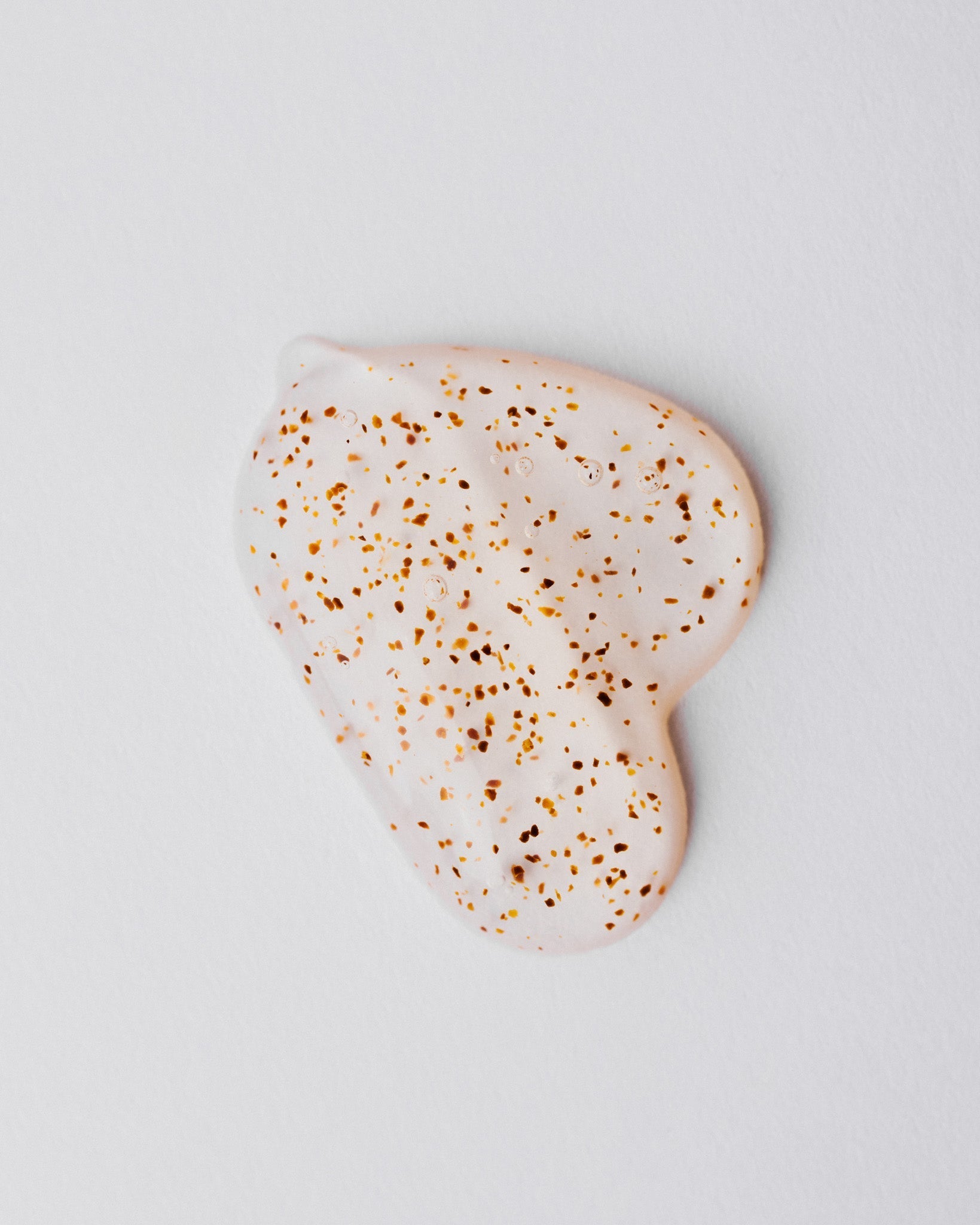
How to reduce scars
Scars are something most of us are familiar with, but for many, they can be a cosmetic challenge and a source of discomfort. Whether your scars are due to acne, surgery, injuries, or burns, fortunately, there are ways you can reduce their visibility and care for them. One of the most effective solutions, which you can do yourself, is a consistent skincare routine with the right ingredients.
Therefore, we will review how you can reduce the visibility of scars with a combination of deep cleansing, plenty of moisture, soothing ingredients, and nourishing care. At the same time, they are cared for and given the best conditions for healing.
How do scars occur, and what can we do about them?
Scars occur when the deeper layers of the skin are damaged, and the body produces collagen to repair the damage. This process can result in different types of scars, such as:
- Atrophic scars (e.g., acne scars): Depressions in the skin due to reduced collagen production.
- Hypertrophic scars: Thick and raised scars because the body has produced too much collagen.
- Keloid scars: Scars that grow beyond the original wound, often red or dark in color.
How can skincare help reduce scars?
When it comes to scars, there are three primary strategies where skincare can help:
- Exfoliation: Helps remove dead skin cells and promote cell renewal, which can gradually make scars less visible.
- Moisture and nourishment: Hydrated skin heals better and faster. Moisturizing ingredients like hyaluronic acid and squalane help improve skin elasticity.
- Soothing ingredients: Ingredients such as niacinamide, chamomile extract, and vitamin E help reduce inflammation and redness, which is important for minimizing and caring for scars.
Our recommended skincare routine for scars – step by step
To achieve the best results, it is important to use products that cleanse, nourish, and protect the skin. Follow this routine to optimize your skin's ability to regenerate itself:
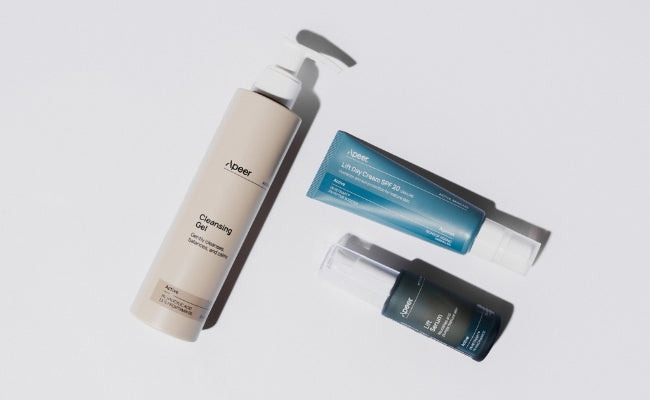
1. Deep cleanse with Cleansing Gel
For the skin to optimally absorb subsequent products, it must be clean. Cleansing Gel is ideal for this step, as it contains Salicylic Acid, which gently exfoliates the skin and helps remove dead skin cells. This is especially important if you have acne scars or uneven skin texture.
- Removes excess oil and dirt
- Salicylic acid exfoliates and deep cleanses
- Soothing ingredients like Chamomile Extract protect the skin
How to use it: Massage a small amount into damp skin, then rinse with lukewarm water.
2. Gentle cleansing and soothing with Micellar Water
After cleansing, Micellar Water can be used as an extra step to remove residual makeup, dirt, and excess oil. This micellar water is enriched with Marine Water, Niacinamide, and Aloe Vera Juice, which not only cleanse but also nourish the skin.
- Removes the last traces of dirt and makeup
- Niacinamide reduces redness and hyperpigmentation
- Aloe Vera soothes the skin and provides moisture
How to use it: Apply to a cotton pad and gently wipe over the face. Do not rinse off.
3. Intense moisture and healing with Hydrating Mask
When working to reduce scars, moisture is absolutely crucial. Our Hydrating Mask helps deeply hydrate the skin and enhances the skin's natural healing process. The mask contains Glycerin, Hyaluronic Acid, and Jojoba Oil, which rebuild the skin barrier and ensure the skin is thoroughly moisturized.
- Hyaluronic acid binds moisture and plumps the skin
- Glycerin strengthens the skin's natural barrier
- Aloe Vera and Grapefruit Extract reduce redness and irritation
How to use it: Apply an even layer, leave on for 10-15 minutes, and rinse with lukewarm water. Use 2-3 times a week.
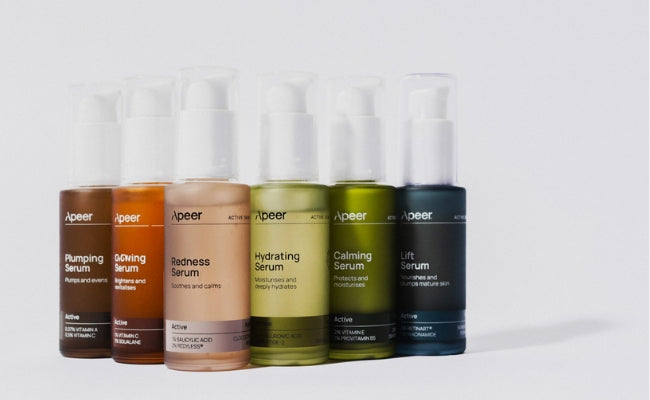
4. Soothing and rebuilding with Calming Serum
Scarred skin needs extra care and nourishment. Our Calming Serum contains Vitamin E, Squalane, which helps strengthen the skin's barrier and reduce irritation. This serum is especially good if you have scars that are still red or sensitive, as it reduces inflammation and protects against free radicals.
- Vitamin E protects against damage from pollution
- Squalane locks in moisture and softens the skin
- Wheat Germ Oil helps rebuild the skin barrier
How to use it: Apply a few drops to clean skin morning and evening, and let it absorb.
5. Protection and moisture with Redness Cream
The last step in the routine is to protect and strengthen the skin with Redness Cream. This cream helps reduce redness and protects the skin from moisture loss. It contains Redyless®, Niacinamide, and Ceramides, which work together to strengthen the skin's protective barrier.
- Redyless® reduces the visibility of blood vessels
- Niacinamide reduces hyperpigmentation and provides a more even skin tone
- Ceramides restore the skin's natural protection
How to use it: Apply a thin layer as the last step in your routine morning and evening.
Everyday tips to reduce scars
- Protect your skin from the sun: UV rays can make scars darker and more visible. We therefore always recommend sun protection to care for your skin and scars.
- Avoid picking at wounds and scars: This can delay the healing process and increase the risk of permanent scars.
- Keep skin hydrated from within: Drink plenty of water and eat a diet rich in antioxidants.
- Use a gentle exfoliant: Remove dead skin cells with a mild peel 1-2 times a week to promote skin renewal.
Frequently asked questions about scar cream
Can a cream completely remove scars?
No, a cream cannot completely remove scars, but it can significantly reduce their visibility. Ingredients like niacinamide, hyaluronic acid, and vitamin E can help even out skin texture, reduce redness, and improve the skin's ability to regenerate itself.
How long does it take to see results when using a scar cream?
Results depend on the type and depth of the scar, but most people see improvements after 4-8 weeks of consistent use. For old scars, it can take several months to achieve a noticeable difference, while newer scars often respond faster to treatment.
What ingredients should I look for in a scar cream?
Effective ingredients for scars include niacinamide (reduces hyperpigmentation), hyaluronic acid (provides moisture and improves skin elasticity), vitamin E (protects against free radicals), and squalane (strengthens the skin barrier and softens the skin).
Can I use scar cream on all skin types?
Yes, but it is important to choose a cream that suits your skin type. If you have sensitive skin, you should choose products with soothing ingredients like chamomile extract or aloe vera. If you have oily skin, a light gel-formula may be better than a heavy cream.
Should I use sun protection if I am treating scars?
Yes, sun protection is crucial. UV rays can make scars darker and more visible, which can delay the healing process.