



Nourish all three skin layers
The skin is the body's largest organ and plays a crucial role in our health and well-being. It protects us from external influences, regulates temperature, and acts as a barrier against bacteria and pollution. But what is our skin actually made of?
To understand how best to care for our skin, it is important to know its structure.
The skin's three layers
- Epidermis (the outer layer) – The outermost layer that protects against damage and moisture loss.
- Dermis (the middle layer) – The middle layer that contains blood vessels, collagen, and elastin.
- Hypodermis (the innermost layer) – The deepest layer that acts as an energy store and shock absorber.
Each layer has its own function and requires specific care to keep the skin healthy and strong. We will therefore go through the three layers in detail and give you the best advice on how to care for them as effectively as possible.
Epidermis – the skin's protective shield
The epidermis is the outermost layer of the skin and acts as the body's first line of defense against harmful influences such as UV rays, pollution, and bacteria. This layer contains keratinocytes, which form a protective layer of skin cells that are constantly replaced.
Functions of the epidermis
- Protects against external influences such as UV rays, bacteria, and pollution.
- Regulates moisture loss through a strong skin barrier.
- Contains melanocytes, which produce melanin and determine skin color.
- Continuously replaces skin cells (a cycle that typically takes 28 days).
How do you care for the epidermis?
To keep the epidermis healthy, it is important to use products that strengthen the skin's barrier and ensure good moisture balance.
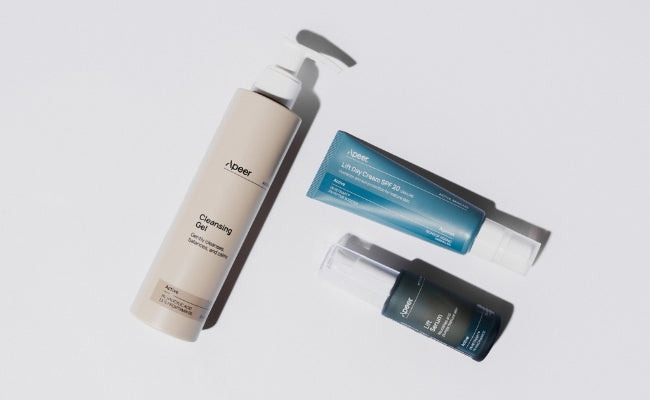
- Use a mild cleanser: A Cleansing Gel with soothing ingredients like provitamin B5 and glycerin can cleanse without drying out the skin.
- Exfoliate regularly: A peeling 1-2 times a week removes dead skin cells and promotes cell renewal.
- Use a moisturizing cream: A cream with ceramides, hyaluronic acid, and squalane helps strengthen the skin's barrier. Sun protection is crucial: UV rays
- can damage the epidermis, cause premature aging, and increase the risk of pigmentation changes. Use a day cream with at least SPF 20 daily.
Dermis – the skin's strength and elasticity
Beneath the epidermis, we find the dermis. This layer consists primarily of collagen and elastin, which give the skin firmness and flexibility. The dermis also contains blood vessels that supply the skin with oxygen and nutrients, as well as sebaceous glands that produce natural oils to keep the skin supple.
Functions of the dermis
- Contains collagen and elastin, which give the skin structure and strength.
- Blood vessels supply the skin with nutrients and help with temperature regulation.
- Contains nerves that make the skin sensitive to touch and pain.
- Sebaceous glands produce the skin's natural oils that keep the skin moisturized.
How do you care for the dermis?
To keep the dermis healthy, it is important to support the skin's production of collagen and elastin and ensure optimal moisture and nourishment.
- Use products with collagen-boosting ingredients: Peptides, retinoids, and vitamin C can stimulate collagen production and improve skin structure.
- Provide deep moisture: Hyaluronic acid can penetrate the dermis and provide long-lasting moisture. A Hydrating Mask with glycerin and aloe vera can help maintain the skin's moisture balance.
- Strengthen the skin's barrier with antioxidants: Vitamin E, niacinamide, and green tea extract protect the skin from free radicals that break down collagen.
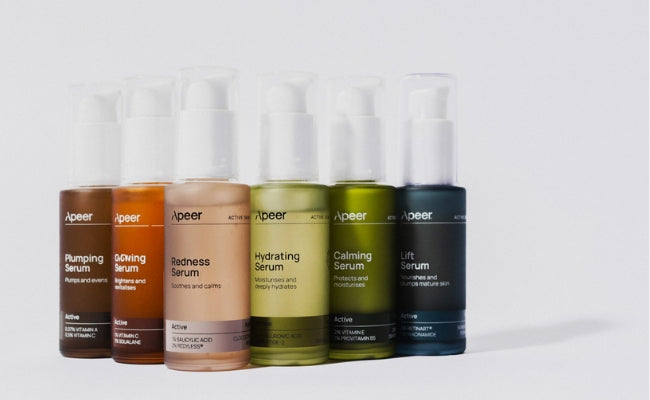
- Use a calming serum: Calming Serum with squalane and vitamin E can help rebuild a damaged skin barrier.
Hypodermis – the skin's energy store and shock absorber
The hypodermis is the deepest skin layer and consists primarily of fatty tissue. This layer functions as an energy reserve, insulates the body, and protects underlying muscles and organs from impact.
Functions of the hypodermis
- Stores energy in the form of fatty tissue.
- Insulates the body and helps regulate body temperature.
- Protects muscles and organs from blows and injuries.
How do you care for the hypodermis?
Although the hypodermis does not require direct skincare, a healthy lifestyle can help keep this layer in balance.
- Eat a nutrient-rich diet: Healthy skin starts from within. Omega-3 fatty acids, proteins, and vitamins (A, C, D, and E) support skin health.
- Drink enough water: Hydration from within helps keep the skin plump and firm.
- Massage the skin regularly: Facial massage can stimulate blood circulation in the dermis and hypodermis, which improves skin elasticity.
- Use a protective cream: Redness Cream with ceramides and shea butter helps protect the skin's barrier from external influences.
Which skincare products work on all three skin layers?
Some products can work deeply and affect multiple skin layers simultaneously:
- Serums with hyaluronic acid penetrate deeply into the dermis and hydrate the skin from within.
- Retinoids (vitamin A derivatives) stimulate collagen production in the dermis and improve skin texture. The ingredient RetinART, which is a bio-retinol extracted from algae, is a milder yet more effective form of retinol.
- Antioxidants like vitamin C and E protect both the epidermis and dermis from free radical damage.
- Peptides and ceramides support the skin's structure and barrier function.
How do the skin's three layers work together?
Although each of the skin's three layers has its own functions, they work closely together to protect the body and maintain skin health. The condition of the skin depends on how these layers communicate and support each other.
The connection between the epidermis and dermis
The epidermis protects the body from external influences, but it relies on the dermis for nourishment and support. Since the epidermis does not have its own blood vessels, it receives its nutrients from blood vessels in the dermis through a process called diffusion. This means that the skin's ability to regenerate and heal depends on a well-functioning dermis.
When the dermis produces enough collagen and elastin, the skin remains strong, smooth, and elastic. If collagen production decreases (which happens with age), the epidermis becomes thinner, more vulnerable, and begins to develop wrinkles and sagging.