





Is sunscreen good for your skin?
Sunscreen should be an indispensable product in any skincare routine – and for good reason. Regardless of your skin type or age, sun protection is crucial for maintaining your skin's health and preventing a range of skin problems. Sunscreen is simply essential, and we will try to explain even more about it now.
Protection against UV rays
UV rays from the sun can cause significant damage to your skin. And in fact, there are two different main types of UV rays, UVA and UVB, both of which have harmful effects:
UVA rays: These rays penetrate deep into the skin and are often the primary cause of premature aging, including wrinkles and pigmentation changes.
UVB rays: These rays affect the upper layers of your skin and are primarily responsible for sunburn, among other things, which can lead to skin cancer.
When you use a sunscreen, it works by blocking or absorbing these harmful rays, which then reduces the risk of sun damage and protects your skin from both short- and long-term damage.
Prevention of skin cancer
One of the most important reasons to use sunscreen is its ability to prevent skin cancer. According to the World Health Organization (WHO), UV radiation is a significant risk factor for developing skin cancer. However, regular use of a broad-spectrum sunscreen can significantly reduce your risk of skin cancer. The fact is that many people underestimate the risk of daily UV exposure, especially on cloudy days or during winter months when the sun doesn't feel as strong. But even then, UV rays can penetrate clouds and cause damage to the skin over time. Therefore, we always recommend using, for example, a face cream with SPF before leaving home.
Prevents premature aging
Few of us want to look older than we are. But the sun's rays can accelerate your aging process by damaging collagen and elastin in your skin, resulting in wrinkles, fine lines, and loss of firmness.
But with a sunscreen, or face cream with SPF, you help your skin maintain its youthful appearance by protecting against these harmful effects. UV rays can also cause pigmentation changes, which can result in uneven skin tone and dark spots, often called sunspots. By applying sunscreen daily, you can reduce the risk of these signs of aging and maintain a more even and radiant skin tone.
Reduces the risk of sunburn and sunspots with sunscreen
Sunburn is not only painful but can also have long-term effects on the skin. Repeated sunburns increase the risk of skin cancer and can lead to the development of sunspots and hyperpigmentation. Sunspots, also known as actinic keratoses, are rough, scaly patches that can develop into skin cancer if not treated. By applying sunscreen regularly, you can protect your skin from these unpleasant and potentially dangerous consequences.
How to choose the right sunscreen
When it comes to choosing sunscreen, there are several factors to consider to ensure the best protection and care for your skin:
SPF value: SPF (Sun Protection Factor) indicates how well the sunscreen protects against the sun and how often you should apply it.
UVB rays. An SPF of 20 or higher is generally recommended for daily use. A higher SPF provides more protection, but it is also important to apply the sunscreen correctly to achieve its full effect.
Skin type: Choose a sunscreen that suits your skin type. If you have oily or acne-prone skin, an oil-free sunscreen or face cream with SPF may be best. For dry skin, a moisturizing sunscreen may be more appropriate. If you have sensitive skin, choose a fragrance-free sunscreen with soothing ingredients like aloe vera.
Use sunscreen daily
It is a common misconception that sunscreen is only necessary on sunny summer days or during holidays in warm climates. The fact is that UV rays are present all year round and can penetrate clouds, glass windows, and even fog.
This means that your skin is still exposed to potential damage even on cloudy or cooler days – in other words, a typical autumn day in Denmark. By using a face cream with SPF every day, you protect your skin from the cumulative effects of UV exposure, which over time can lead to serious damage such as premature aging and skin cancer.
The use of SPF in your daily skincare routine is therefore essential to maintain healthy and radiant skin.
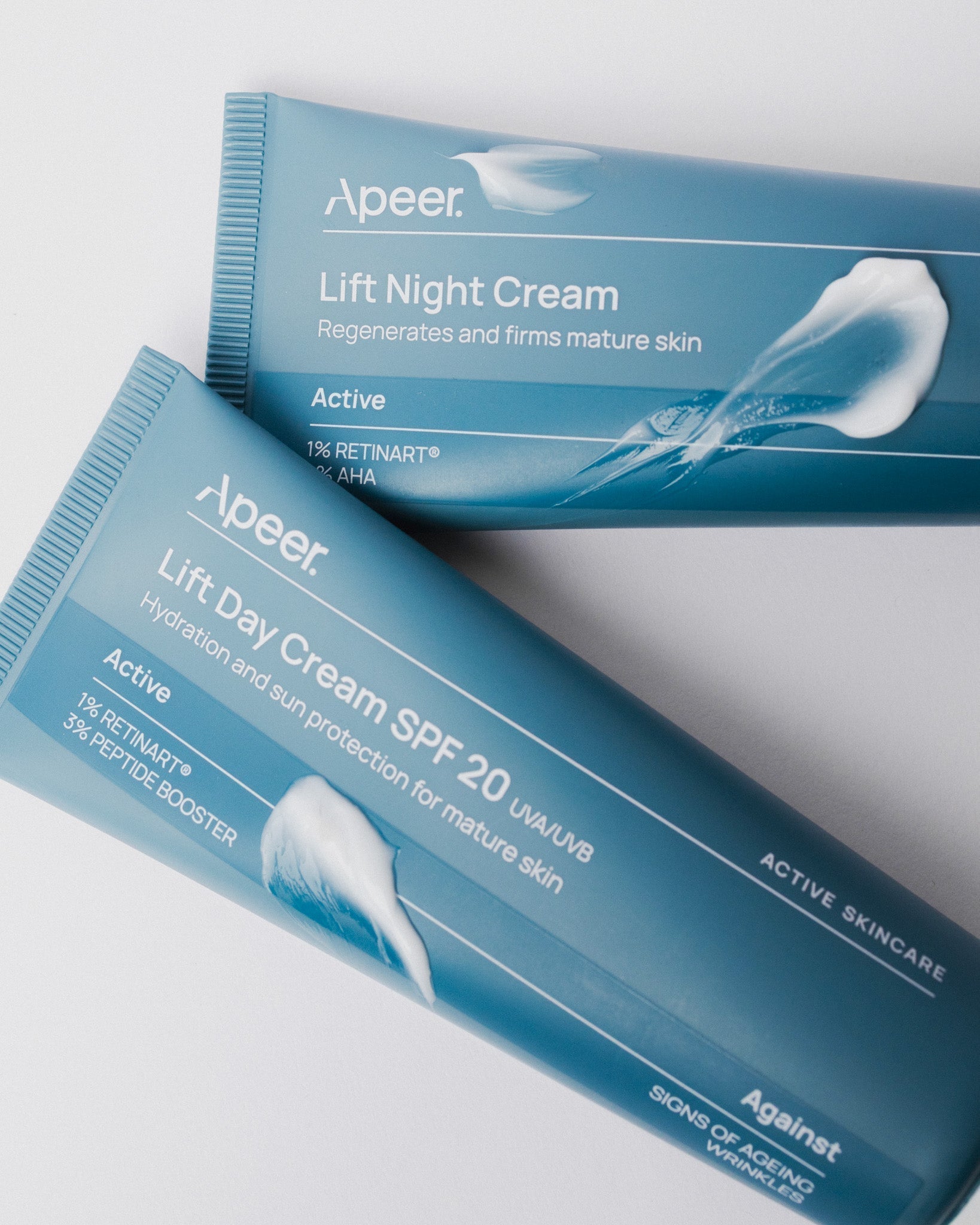
Let Lift Day Cream be your daily sun protection
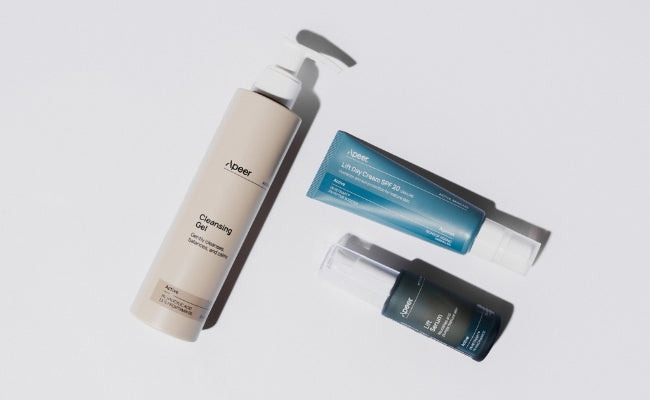
An excellent option for daily sun protection is our Lift Day Cream with SPF 20. This cream protects against both UVA and UVB radiation and ensures comprehensive skin hydration. Lift Day Cream contains RetinART®, which is an alternative to retinol with the same impressive anti-aging benefits, but without the typical side effects associated with retinol. This makes it safe for sensitive skin.
RetinART® helps reduce hyperpigmentation, refine skin texture, and promote an even and smooth skin tone. Key ingredients such as peptides, niacinamide, and vitamin C support mature skin by improving collagen production, increasing skin elasticity, evening out skin tone, and strengthening the skin's moisture barrier function. Hyaluronic acid and squalane maintain soft, firm, and supple skin by preventing moisture loss and providing essential hydration to the skin. With Lift Day Cream, the skin is protected from the sun's harmful rays, while mature skin actively receives nourishment and care.
How to use sunscreen correctly
To get the full benefit of sunscreen, it is important to apply it correctly:
- Quantity: Use a generous amount of sunscreen – approximately one teaspoon for the face and a similar amount for the neck and décolletage. This ensures that all areas of the skin receive adequate protection.
- Reapply: Reapply sunscreen to the face every two hours if you are outdoors, or more often if you sweat a lot.
- Daily use: Use sunscreen every day, even on cloudy days or in winter, as UV rays can penetrate clouds and windows. Many people mistakenly believe they only need sunscreen when the sun is strong, but UV rays are present all year round.
Myths about sunscreen
There are many myths and misconceptions about the use of sunscreen, which in some cases can lead to incorrect use and lack of protection. So, here are some of the most common:
Myth 1 about sunscreen
"I have dark skin, so I don't need sunscreen." Darker skin types naturally have more melanin, which provides some protection against UV rays, but it's not enough to prevent damage. All skin types need sun protection to prevent sun damage and skin cancer.
Myth 2 about sunscreen
"I only need sunscreen in the summer." UV rays are present all year round, even in winter and on cloudy days. It is important to protect your skin every day to prevent long-term damage.
Myth 3 about sunscreen
"Sunscreen prevents you from getting vitamin D." While sunscreen reduces the skin's ability to produce vitamin D, most people still get enough vitamin D through a combination of sun protection and a healthy diet. If you are concerned about vitamin D deficiency, you may consider taking a supplement after consulting your doctor.
Other benefits of using sunscreen
In addition to protecting against sun damage and aging, face cream with SPF also has several other benefits:
Improved skin texture
Regular use of sunscreen can help prevent roughness and unevenness in the skin by protecting against environmental damage.
Prevention of dark spots
Sunscreen can help prevent the development of dark spots and hyperpigmentation on the face.
Reduces the risk of sun allergy
Sunscreen can protect against sun-induced allergies, also known as polymorphic light eruption, which can cause itchy and uncomfortable rashes.
Preservation of the skin's natural barrier
By protecting the skin from UV rays, sunscreen helps maintain your skin's natural barrier function, keeping the skin healthy and hydrated.
Reduced risk of capillary damage
UV rays can weaken and damage capillaries in the skin, which can lead to redness and visible blood vessels. Sunscreen helps protect against these damages and keeps the skin's appearance even and uniform.
Frequently asked questions about sunscreen for the skin
How often should I apply sunscreen throughout the day?
It is recommended to apply sunscreen every two hours when outdoors, and more often if you sweat a lot or are in water. Also, remember that it depends on the SPF of your sunscreen. If you are primarily indoors, one application in the morning is often sufficient.
Can I rely solely on sun protection from my day cream with SPF?
Many day creams contain SPF, but the amount typically applied is often not enough to provide full protection. For optimal protection, you should apply a dedicated sunscreen under your makeup or a day cream with a higher SPF factor – especially if it's a sunny day.
Is sunscreen necessary even if I'm not directly in the sun?
Yes, UV rays penetrate clouds and glass, meaning your skin can still be exposed to sun damage, even if it's cloudy. Therefore, it is important to use sun protection every day.
Is a higher SPF always better?
SPF 20-30 is sufficient for daily use, but if you spend a lot of time in the sun, a higher SPF (50+) can be beneficial for optimal protection. However, correct and frequent application is also important to ensure proper skin protection.
Can I use the same sunscreen for face and body?
In principle, yes, but face sunscreens are often developed with lighter formulas that do not clog pores. If you have sensitive or oily skin, you should choose a sunscreen specifically for the face to avoid irritation, blemishes, or acne.