





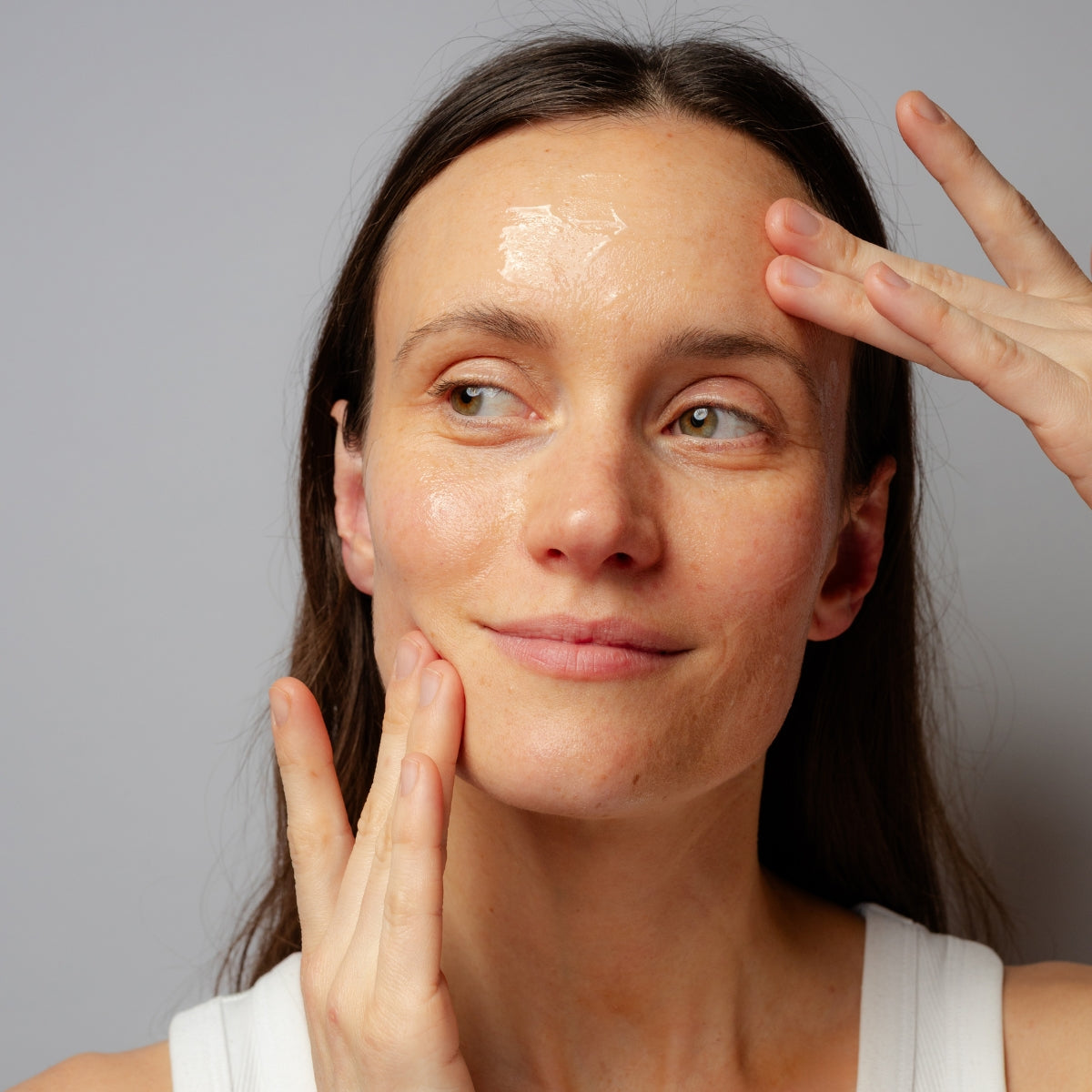
Protect and repair damaged skin barrier
A healthy skin barrier is crucial if you want to maintain beautiful, strong, and radiant skin. When this barrier is compromised, the skin can become dry, irritated, and more susceptible to damage, among other things. A damaged skin barrier is something we all want to avoid – and that's why we will explain what can cause a damaged skin barrier, how you can protect it, and what products and habits can help you rebuild it.
What is a skin barrier?
The skin barrier is the outermost layer of the skin. This barrier consists of skin cells and lipids that act as a wall, protecting against external influences such as bacteria, pollution, and UV rays. A healthy skin barrier also retains moisture and nutrients, which is essential if you want to maintain supple and healthy skin.
Signs of a damaged skin barrier
When the skin barrier is damaged, it can manifest in several ways:
- Dryness and flaky skin: The skin loses its ability to retain moisture.
- Redness and irritation: The skin becomes more sensitive to environmental factors.
- Itching and discomfort: A damaged barrier can lead to persistent itching.
- Acne and breakouts: Bacteria and impurities can more easily penetrate the skin.
- Increased sensitivity: The skin reacts more strongly to products and treatments that previously caused no problems.
Causes of a damaged skin barrier
Several factors can damage your skin barrier, for example:
Excessive use of exfoliating products
Too frequent use of acids and scrub masks can remove the protective oils from the skin.
Harsh chemicals
Products containing alcohol or fragrance can dry out the skin and cause irritation.
UV rays
Unprotected sun exposure can break down the skin's structures and worsen damage.
Pollution
Harmful particles in the air can penetrate the skin and cause inflammation.
Extreme weather conditions
Both cold and hot weather can affect the skin's moisture levels and barrier function.
How to strengthen the skin barrier?
Strengthening your skin barrier involves protecting and caring for the skin with the right products and habits:
- Moisture, moisture, and more moisture: A moisturizer adapted to your skin is essential to restore your skin's barrier. Look for ingredients like Ceramides, Hyaluronic Acid, and Glycerin.
- Use soothing ingredients: Ingredients like Aloe Vera, Allantoin, and Panthenol can help soothe irritated skin and promote the healing process.
- Sun protection: Choose a face cream with at least SPF 20 and make sure to apply it daily – even on cloudy days.
- Avoid harsh ingredients in your skincare: Cut down on the use of products with Alcohol, Fragrance, and Dyes.
How can I strengthen my skin daily?
Eat a healthy diet: A diet rich in Antioxidants, Omega-3 fatty acids, and Vitamins can strengthen the skin from within.
Stay hydrated: Drink plenty of water to keep the skin hydrated.
Get enough sleep: Make sure you get enough sleep, as the skin regenerates itself during rest.
Avoid stress: Stress can negatively affect skin health, so find ways to relax and reduce stress – if you are stressed.
Regular exercise: Exercise increases blood circulation, which can help give the skin a healthy glow and improve its overall condition.
Create good habits for a damaged skin barrier
Avoid excessive washing: Wash your face twice daily, morning and evening. Excessive washing can remove natural oils from the skin and worsen dryness and irritation.
Use lukewarm water: Hot water can dry out the skin, so use lukewarm water when washing your face and showering.
Do not rub your face: When drying your face, gently pat it dry with a soft towel instead of rubbing it. Rubbing can further irritate your skin.
Rebuild your skin barrier according to skin type
Normal skin
Normal skin is characterized by a balance between oil production and moisture, resulting in a smooth texture, an even tone, and few visible pores. This skin type rarely experiences dryness or oiliness and has a healthy, radiant glow. To maintain normal skin's balance, it's important to follow a simple skincare routine: cleanse, moisturize, and sun protection. Regular skincare helps maintain healthy skin and prevents common skin problems.
How to protect and rebuild the skin barrier for normal skin
Even though normal skin requires less maintenance, it's important to protect the skin barrier. Use a mild cleanser that doesn't strip the skin of its natural oils, and follow up with a moisturizer containing Ceramides or Hyaluronic Acid. Sun protection is also essential. By using products free of harsh chemicals or Alcohol, you can protect and strengthen the skin's barrier, preventing irritation and keeping the skin healthy.
Recommended products
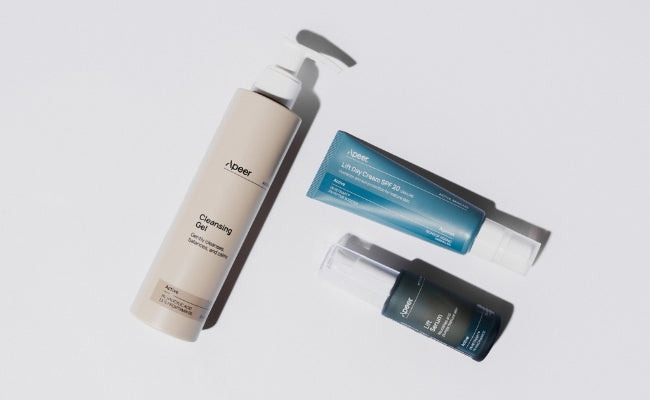
- Cleansing Gel: A mild cleanser that removes dirt without stripping the skin of natural oils.
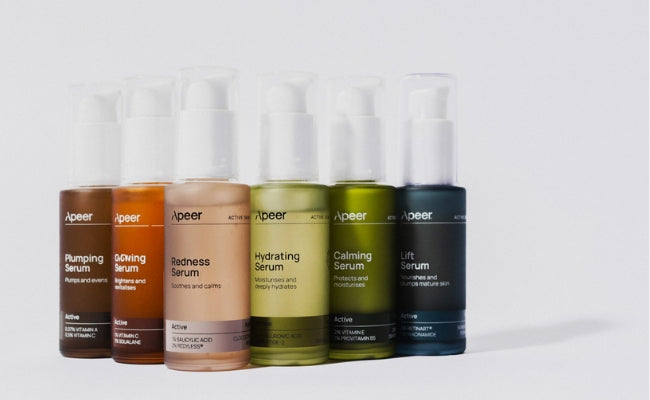
- Glowing Serum: Contains Antioxidants and contributes to healthy skin barriers while enhancing skin radiance.
- Lift Day Cream SPF 20: A day cream with sun protection that protects against UV rays.
Sensitive skin
Sensitive skin often reacts to external factors such as skincare products, environmental conditions, and stress. It can feel tight, itchy, and easily become red or irritated. Sensitive skin often requires gentle care with products free of Fragrance, Alcohol, and other potentially irritating ingredients. Soothing ingredients like Aloe Vera, Chamomile, and Hyaluronic Acid can help soothe and protect the skin.
How to protect and rebuild the skin barrier for sensitive skin
For sensitive skin, it's important to choose products with soothing and moisturizing ingredients like Aloe Vera and Panthenol. Avoid products with Fragrance and Alcohol, as these can worsen irritation. Use a mild cleanser and a moisturizer with Ceramides to strengthen the skin's barrier. Regular use of sun protection is also important to protect against UV damage, which can worsen sensitivity. Always test new products on a small area of your skin to avoid reactions.
Recommended products
- Cleansing Gel: A mild cleanser that removes dirt without stripping the skin of natural oils.
- Calming Serum: A soothing serum with Aloe Vera and Hyaluronic Acid.
- Redness Cream: A cream that reduces redness and strengthens the skin barrier with Ceramides.
Dry skin
Dry skin is characterized by a lack of natural oils, resulting in a rough and flaky surface. The skin can feel tight, especially after cleansing, and may be prone to irritation and itching. Fine lines and redness are also common. To care for dry skin, it's important to use mild, moisturizing products that restore moisture balance without stripping the skin of its natural oils.
How to protect and rebuild the skin barrier for dry skin
To care for dry skin, you need to choose products specifically formulated to provide and retain moisture. A mild cleanser that doesn't strip the skin's natural oils is essential to prevent further dehydration. After cleansing, a rich, moisturizing cream should be applied to restore the skin's moisture balance and strengthen its natural barrier.
Recommended products
- Hydrating Serum: A serum with Hyaluronic Acid and Peptides that provides intense moisture.
- Night cream: A rich moisturizer with Squalane and Ceramides.
- Lift Day Cream SPF 20: A day cream with sun protection that protects against UV rays and moisturizes the skin.
Oily skin
Oily skin is characterized by overproduction of sebum, resulting in a shiny surface and a tendency for clogged pores and acne. The skin can feel oily, especially in the T-zone (forehead, nose, and chin). To care for oily skin, it's important to use lightweight, oil-free products and avoid heavy creams. Regular cleansing and exfoliation help control oil production and keep pores clean. Ingredients like salicylic acid and niacinamide can reduce excess oil and prevent breakouts.
How to protect and rebuild the skin barrier for oily skin
A proper skincare routine for oily skin involves using mild cleansing products that effectively remove excess oil without stripping the skin of its natural moisture. It is also important to use oil-free and non-comedogenic products that do not clog pores. Exfoliation can help remove dead skin cells and reduce the risk of clogged pores, but it should be done carefully to avoid irritation.
Recommended products
- Cleansing Gel: A deep-cleansing gel with salicylic acid.
- Hydrating mask: Revitalizes and refreshes your skin.
- Day Cream: A lightweight day cream for all skin types.
Combination skin
Combination skin has a mix of dry and oily areas. Typically, the T-zone (forehead, nose, and chin) is oily with a tendency for impurities and shiny skin, while the cheeks can be normal to dry. Caring for combination skin requires balance: use lightweight, oil-free products in the T-zone and richer moisturizers on dry areas. Regular exfoliation can help remove dead skin cells and prevent clogged pores, while gentle cleansing and appropriate moisturizing can maintain the skin's balance.
How to protect and rebuild the skin barrier for combination skin
An effective routine for combination skin should include gentle cleansing morning and evening, exfoliation 1-2 times a week to remove dead skin cells, and an appropriate moisturizer for the entire face.
Recommended products
- Micellar Water: Cleanses your skin easily and effectively
- Cleansing Gel: A mild cleanser that can be used on both dry and oily areas.
- Hydrating Serum: A lightweight serum that hydrates without adding extra oil.
- Day cream: A moisturizer that regenerates and cares for your skin with a blend of active ingredients and vitamins.
Frequently asked questions about a damaged skin barrier
How long does it take to rebuild a damaged skin barrier?
It depends on the extent of the damage, but most people will experience improvement within 2-4 weeks with the right skincare routine. Consistent use of moisturizing and protective ingredients like ceramides, hyaluronic acid, and panthenol can speed up the healing process.
How do I know if my skin barrier has been damaged?
Signs of a weakened skin barrier include redness, dryness, flaky skin, irritation, itching, and increased sensitivity to skincare products and environmental factors.
Can I still exfoliate if my skin barrier is damaged?
If your skin barrier is compromised, you should minimize exfoliation. Only use mild exfoliating ingredients like PHA acids or enzymes and limit it to once a week until the skin has healed.
Which ingredients should I avoid if my skin barrier is damaged?
Avoid strong acids (AHA, BHA), alcohol-based products, perfumes, sulfates, and excessive use of retinol, as these can worsen irritation and dryness.
Is it necessary to use sun protection if my skin barrier is weakened?
Yes, sun protection is crucial! A weakened skin barrier makes the skin more vulnerable to harmful UV rays, which can worsen the damage. Use a broad-spectrum sunscreen with SPF20 or higher every day to protect the skin.