


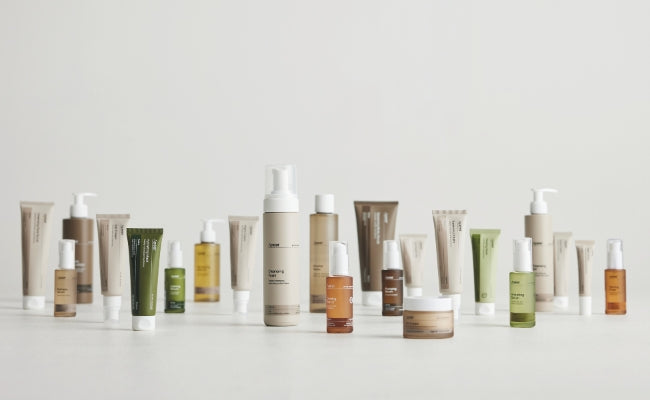
Discover your skin type
Discover Your Skin Type: A Guide to Effective Skin Care and Protection
The skin type one has varies from person to person. Some people have a natural balance in their skin, while others may experience challenges such as dryness, oily skin, or a combination of both. Regardless of skin type, it is important to care for and protect the skin from harmful factors such as the sun, pollution, and stress. By knowing your skin type, you can make the right choices about care and treatment to maintain healthy and beautiful skin. Read on below and learn more about your skin type.
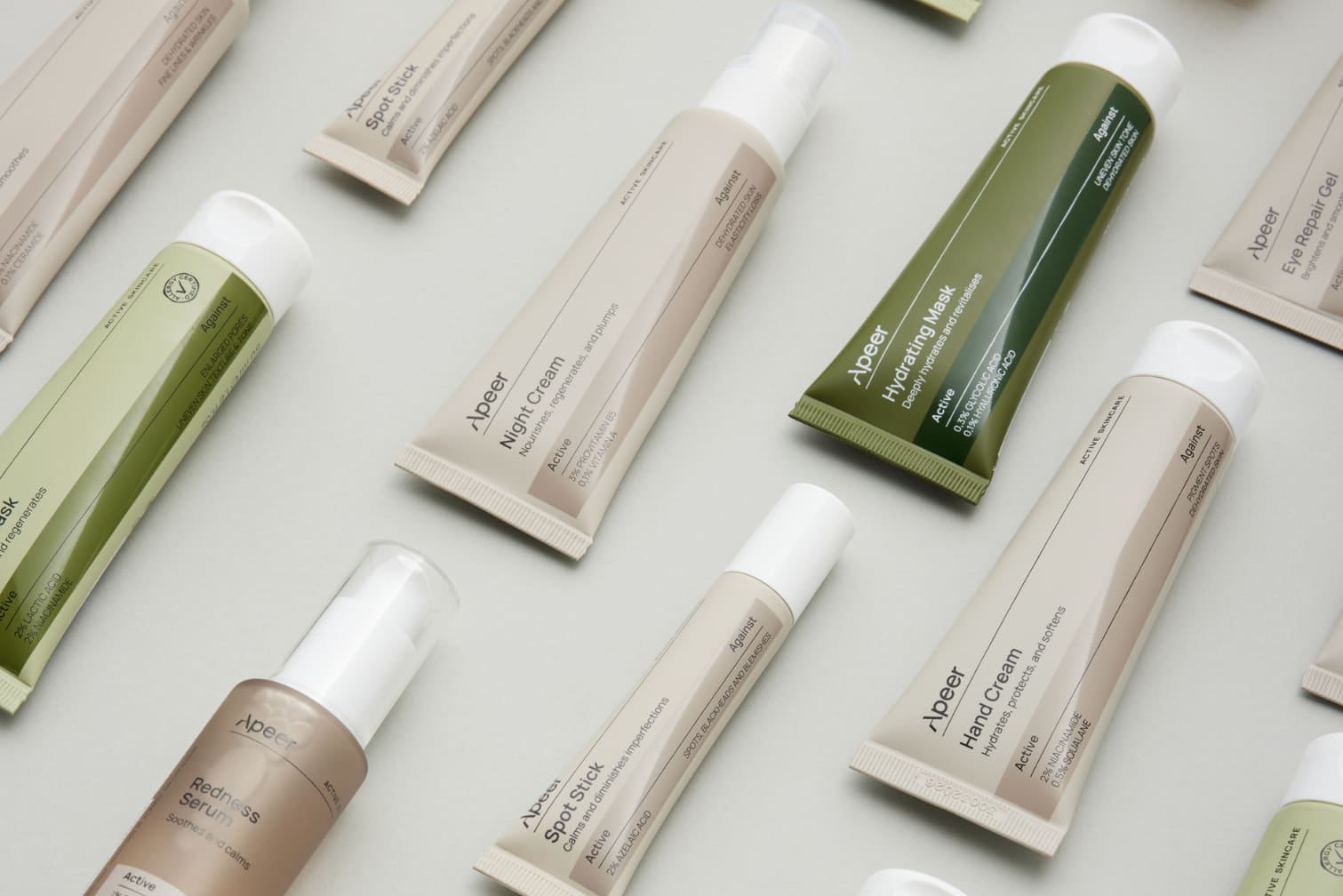
Learn your skin type
Go to section:
Normal skin
Normal skin is characterised by a balance between oil production and moisture. It has a smooth texture, an even tone, and few or no visible pores. This skin type rarely experiences dryness or oiliness and has a healthy, radiant glow. To maintain the balance of normal skin, it's important to follow a simple skincare routine: cleanse, moisturise, and sun protection. Regular skincare helps maintain healthy skin and prevents common skin problems.
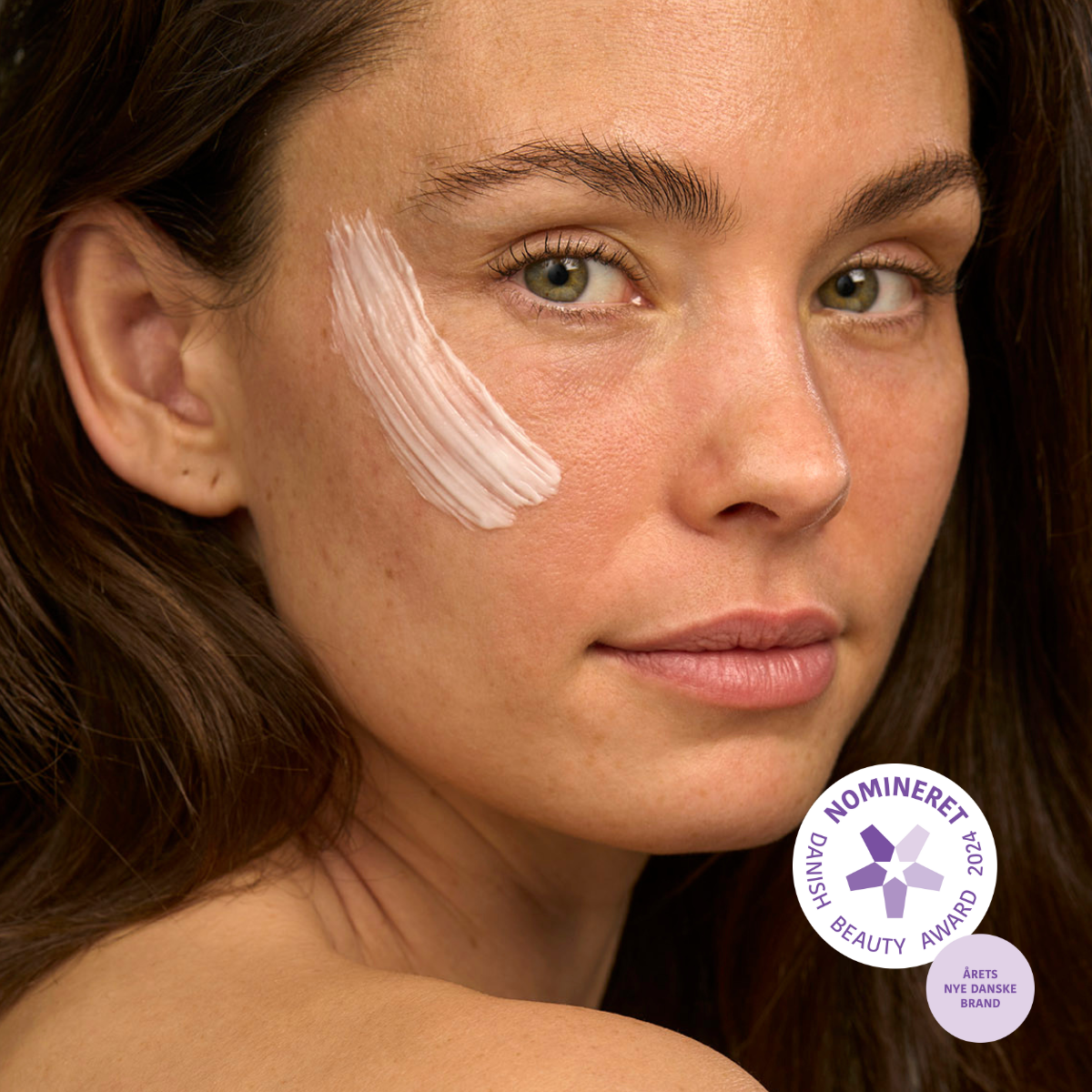
Understanding normal skin
Normal skin is often considered the ideal skin type because it has a perfect balance between oil production and moisture. This skin type is characterized by a smooth texture, even tone, and few visible pores, which gives the skin a healthy and radiant glow. Normal skin rarely experiences dryness or oiliness, and it is less prone to developing skin problems such as acne, irritation, or redness. To understand normal skin, it is important to know that it produces an appropriate amount of sebum, which keeps the skin moisturized without making it oily. This balance helps protect the skin from environmental damage and maintains a healthy skin barrier. A smooth texture and even skin tone without many discolorations or red spots are also characteristic of normal skin.
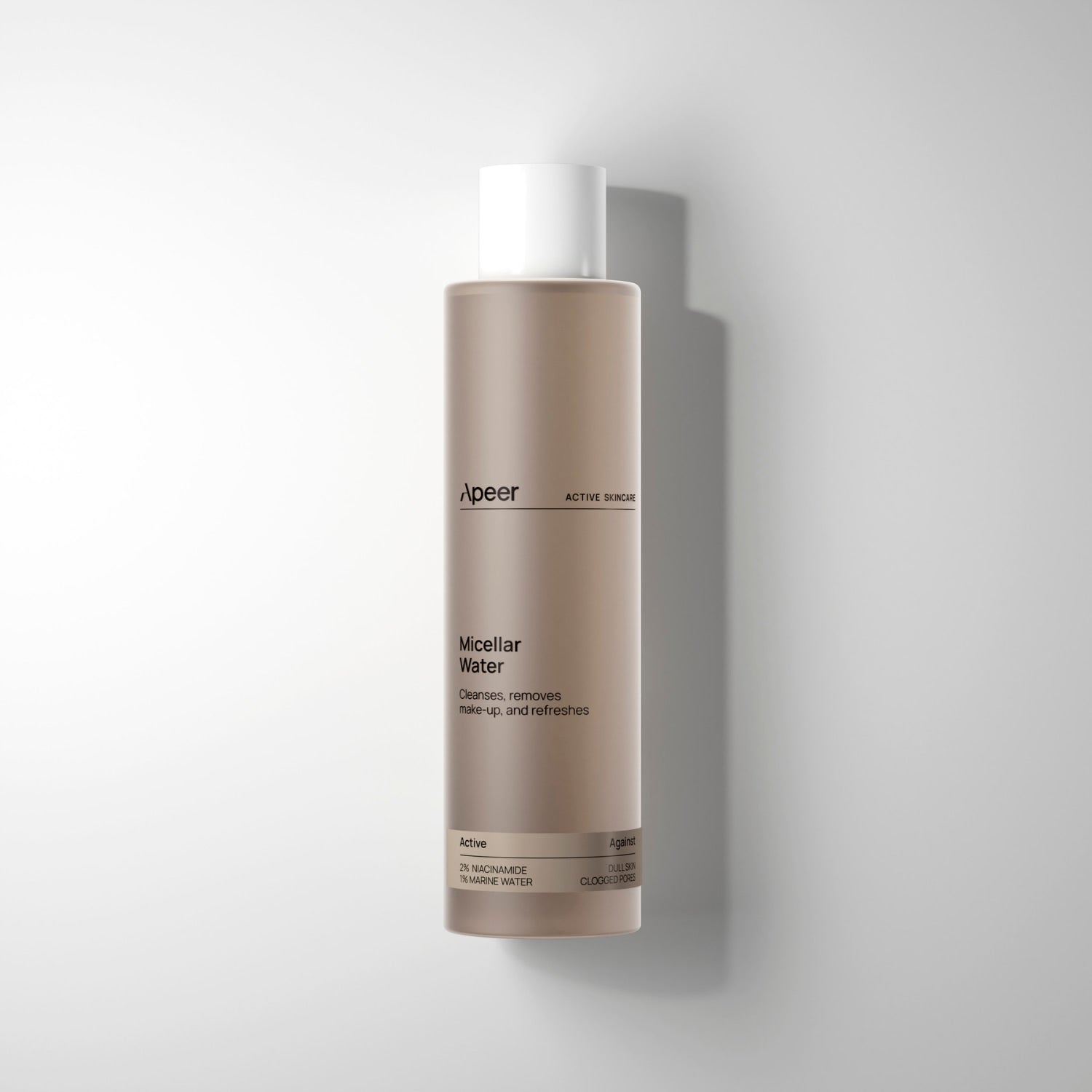
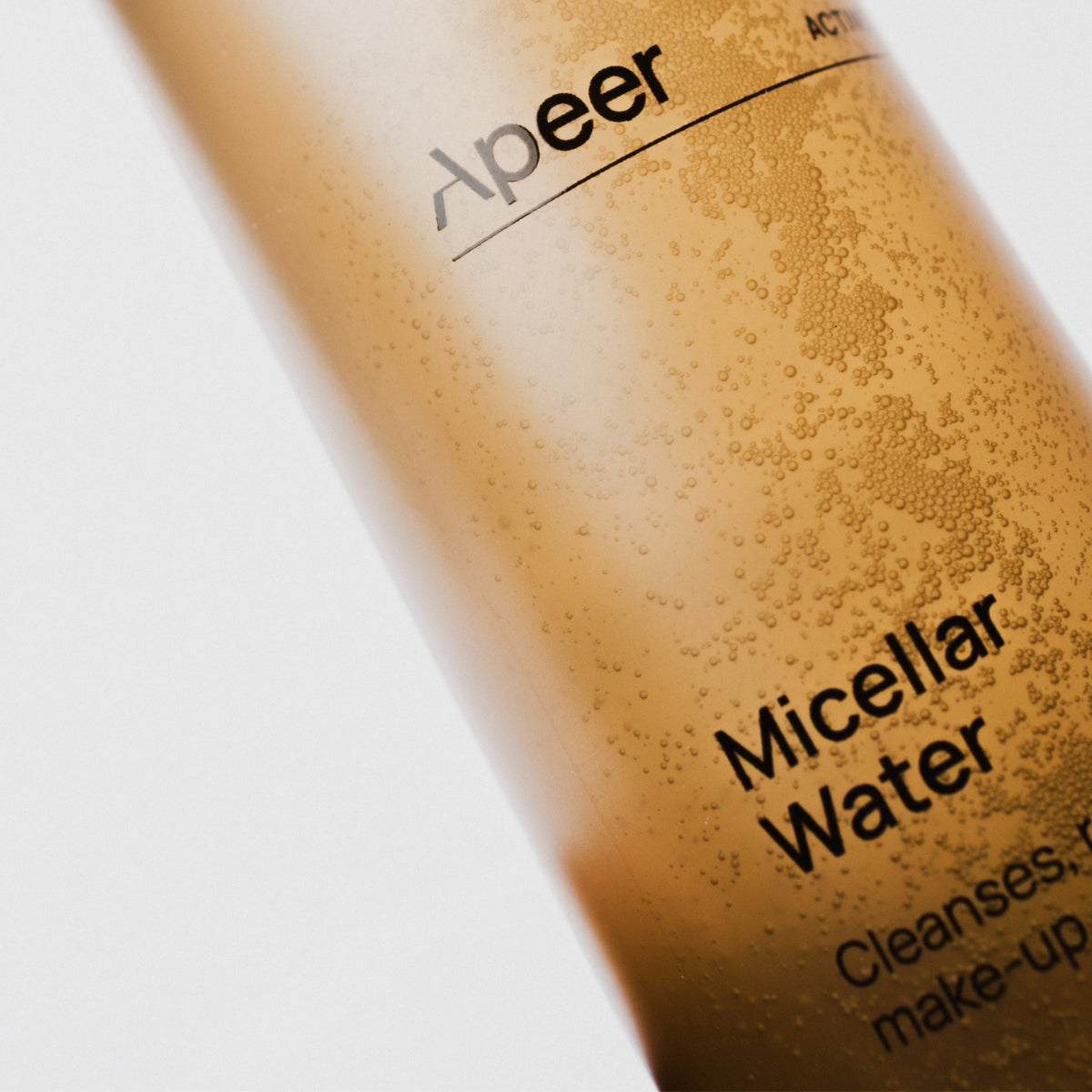
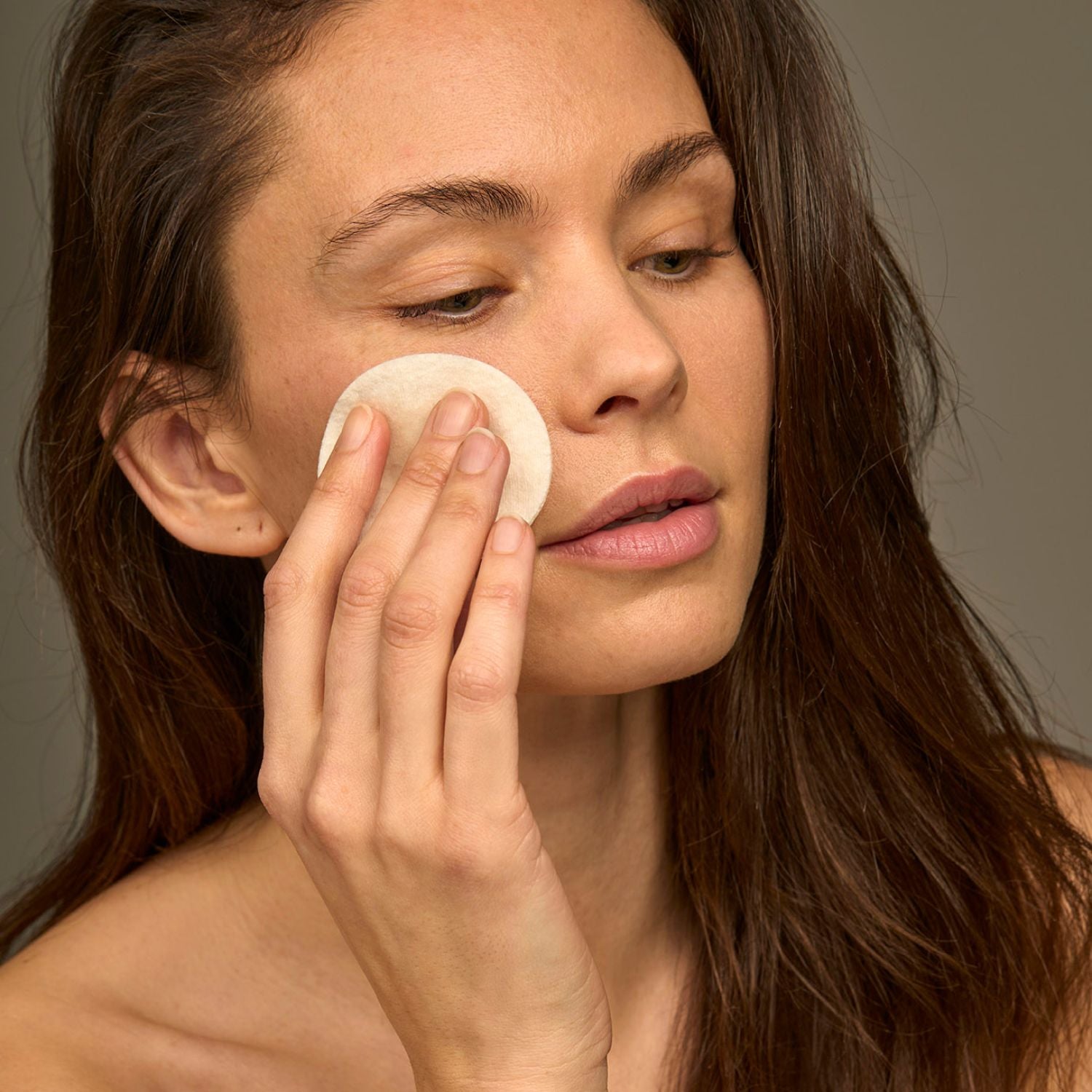
Even though normal skin requires less maintenance than other skin types, it is still important to follow a regular skincare routine to maintain its health. This includes gentle cleansing once or twice daily to remove dirt, oil, and makeup without stripping the skin of its natural oils. Try, for example, our Micellar Water, which both cleanses the skin of dirt and effectively removes makeup. Moisturizer and sun protection are also important to keep the skin hydrated and protected from harmful UV rays. Regular care ensures that normal skin remains balanced, healthy, and radiant, preventing future skin problems.
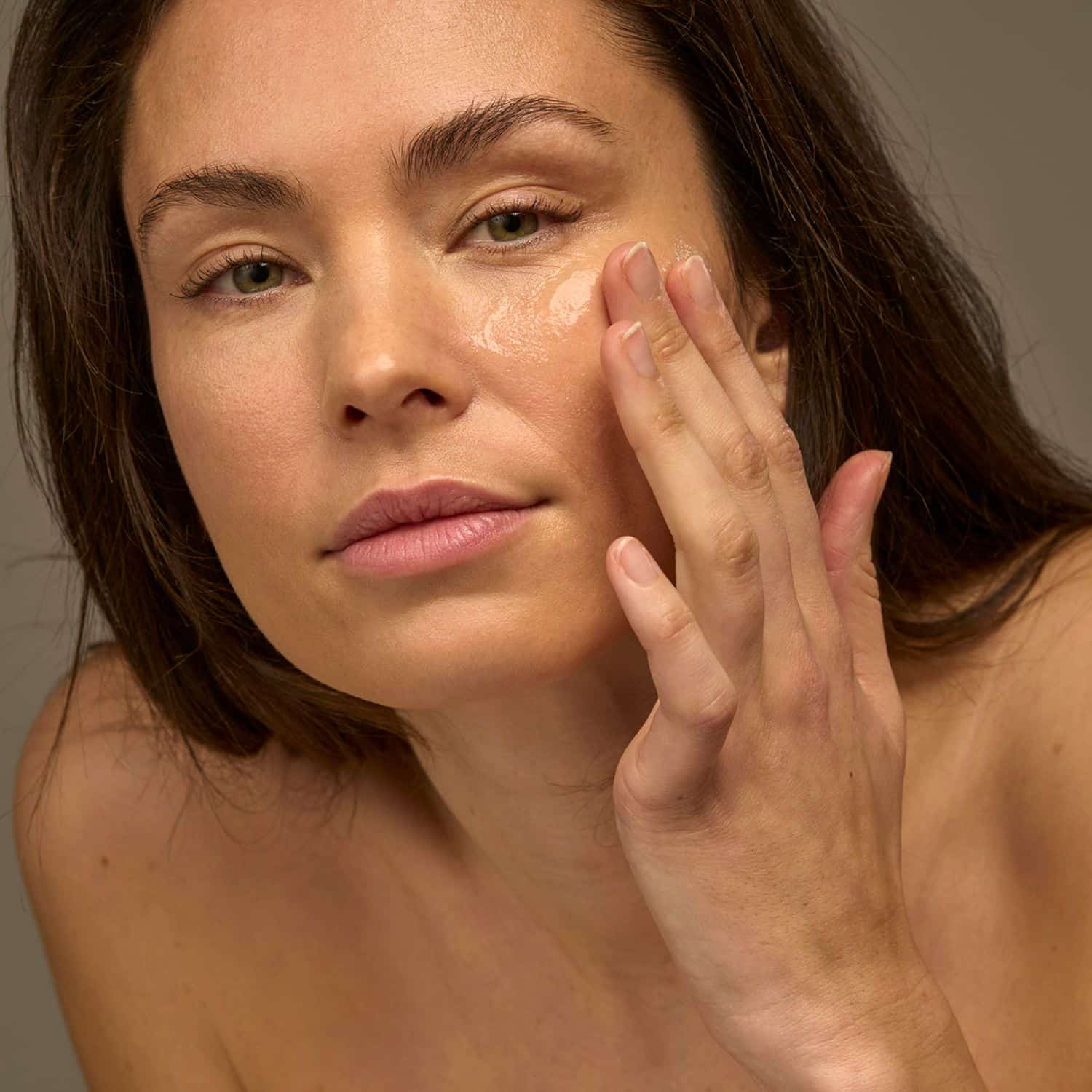
How to recognize normal skin
- Few to no impurities.
- Even and smooth texture.
- Good balance between moisture and oil.
- No visible dryness or oiliness.
Skincare for normal skin
Skincare for normal skin is about maintaining the skin's natural balance and health through a consistent and gentle routine. Here are some important steps and products that can help keep normal skin in top condition.
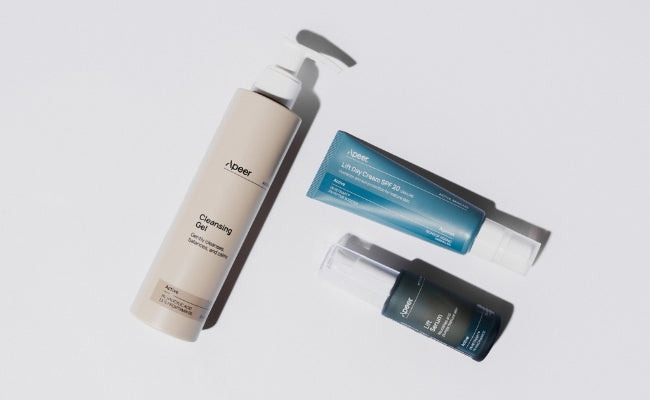
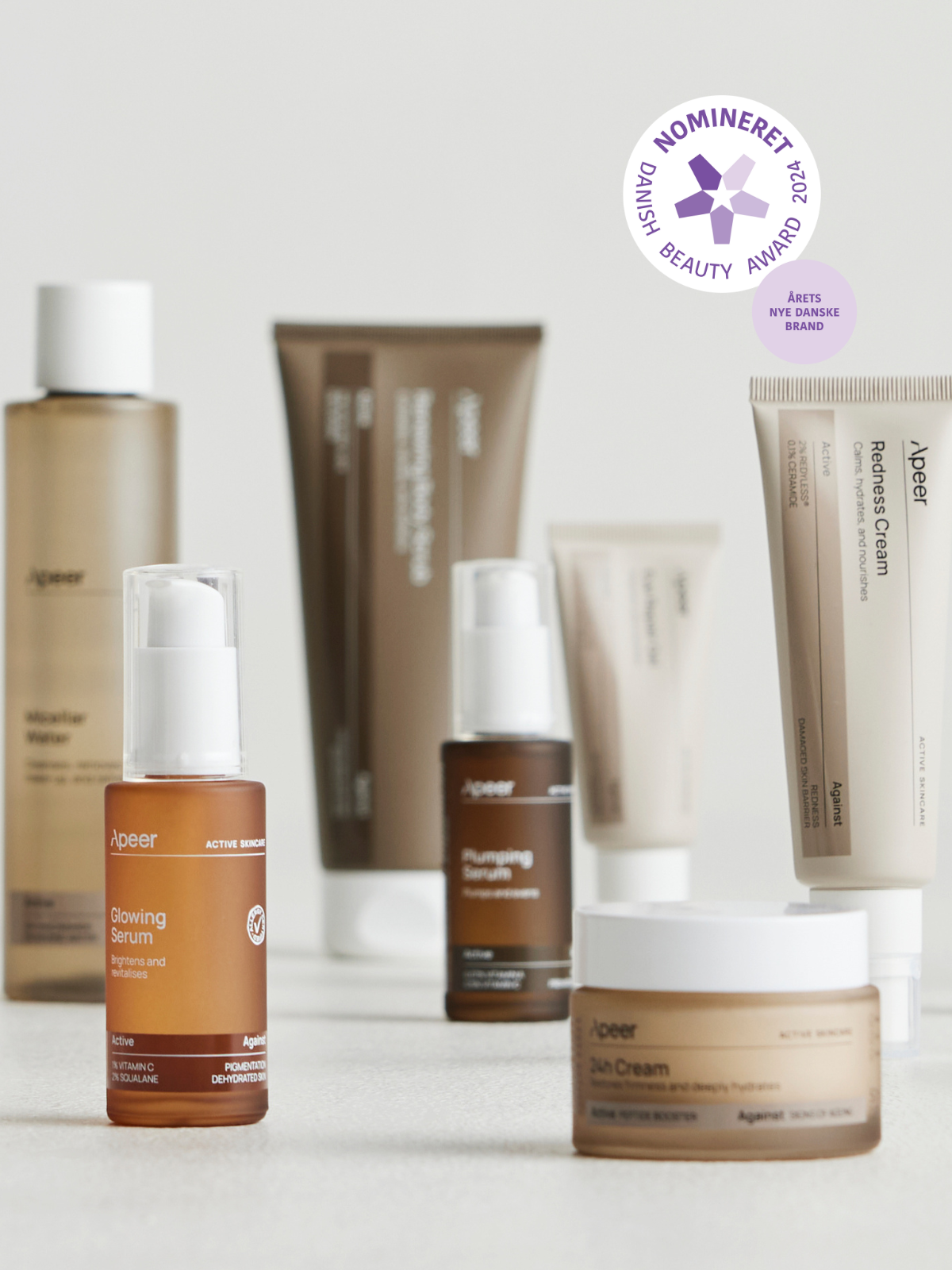
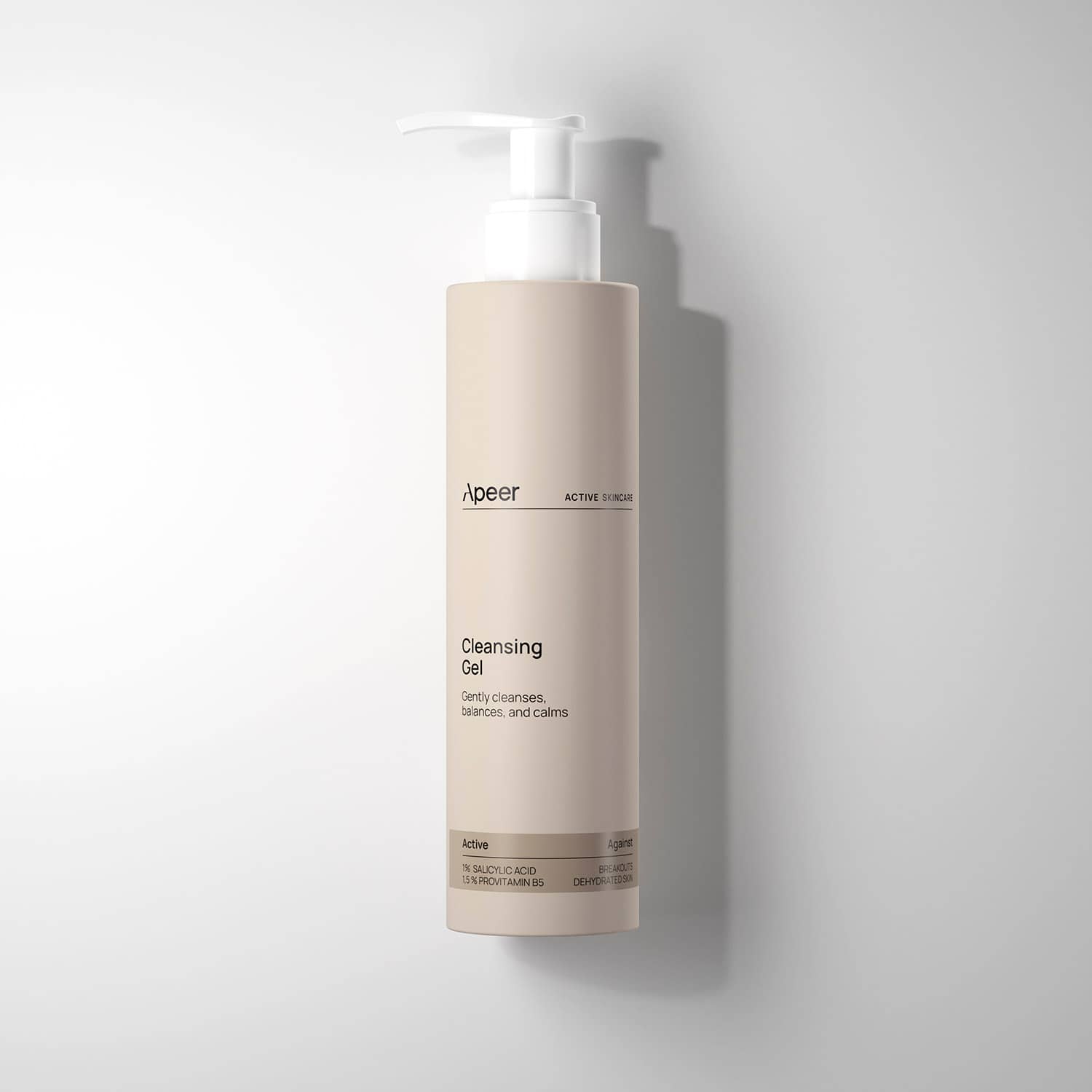
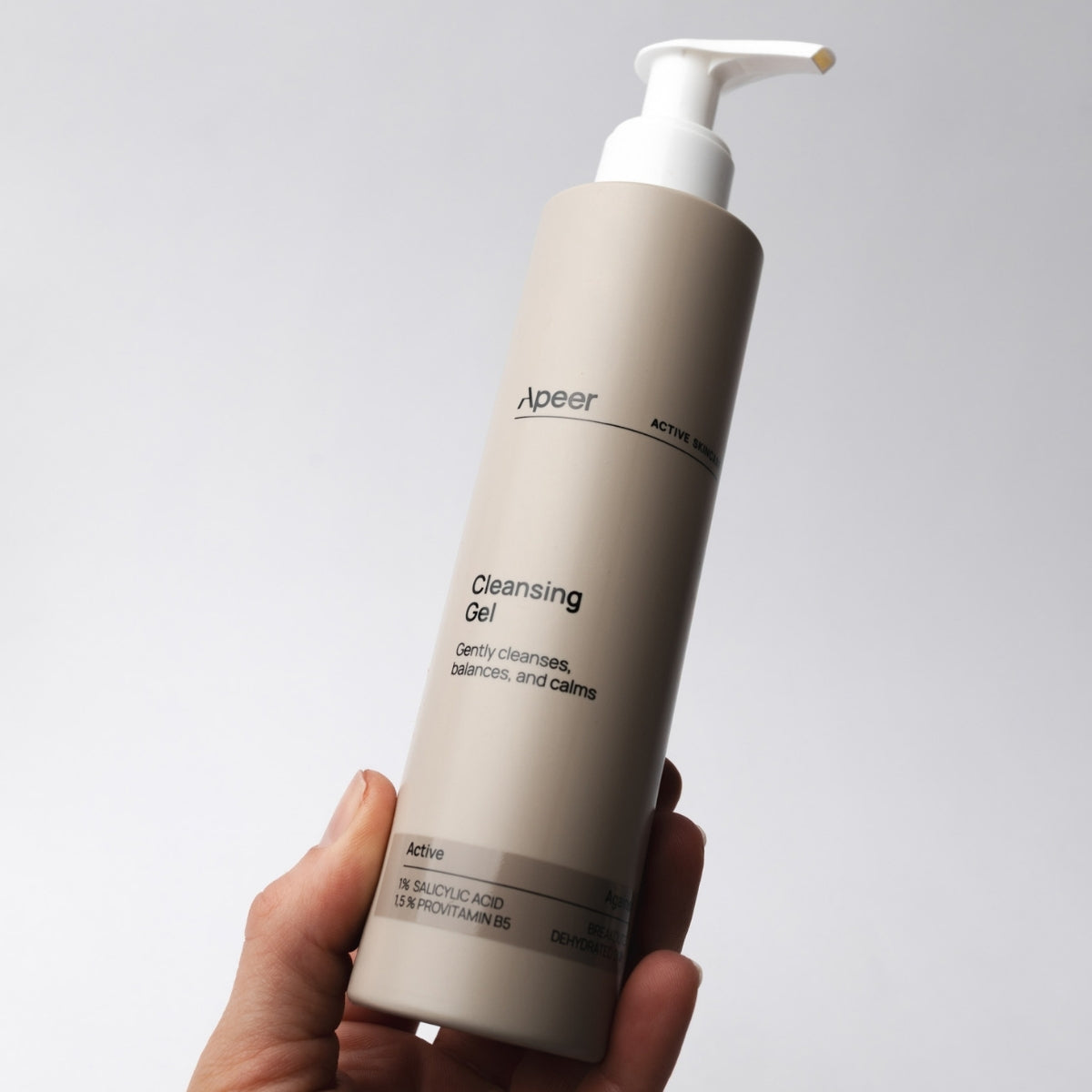
Cleanse: Start the day with a mild cleansing gel or foam that removes dirt and oil without stripping the skin of its natural oils. We recommend our Cleansing Gel, which effectively cleanses the skin and leaves it fresh and ready for the next steps.
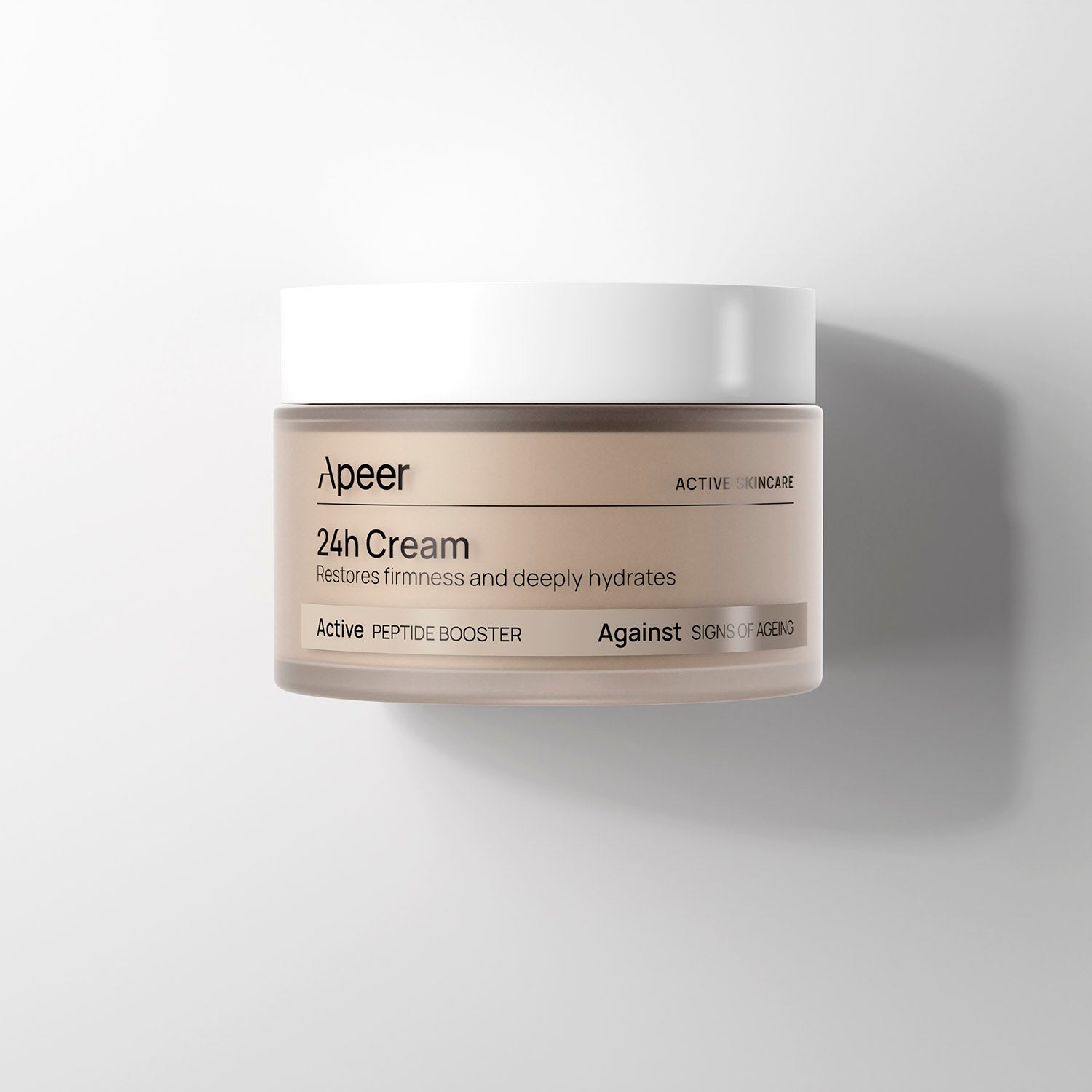
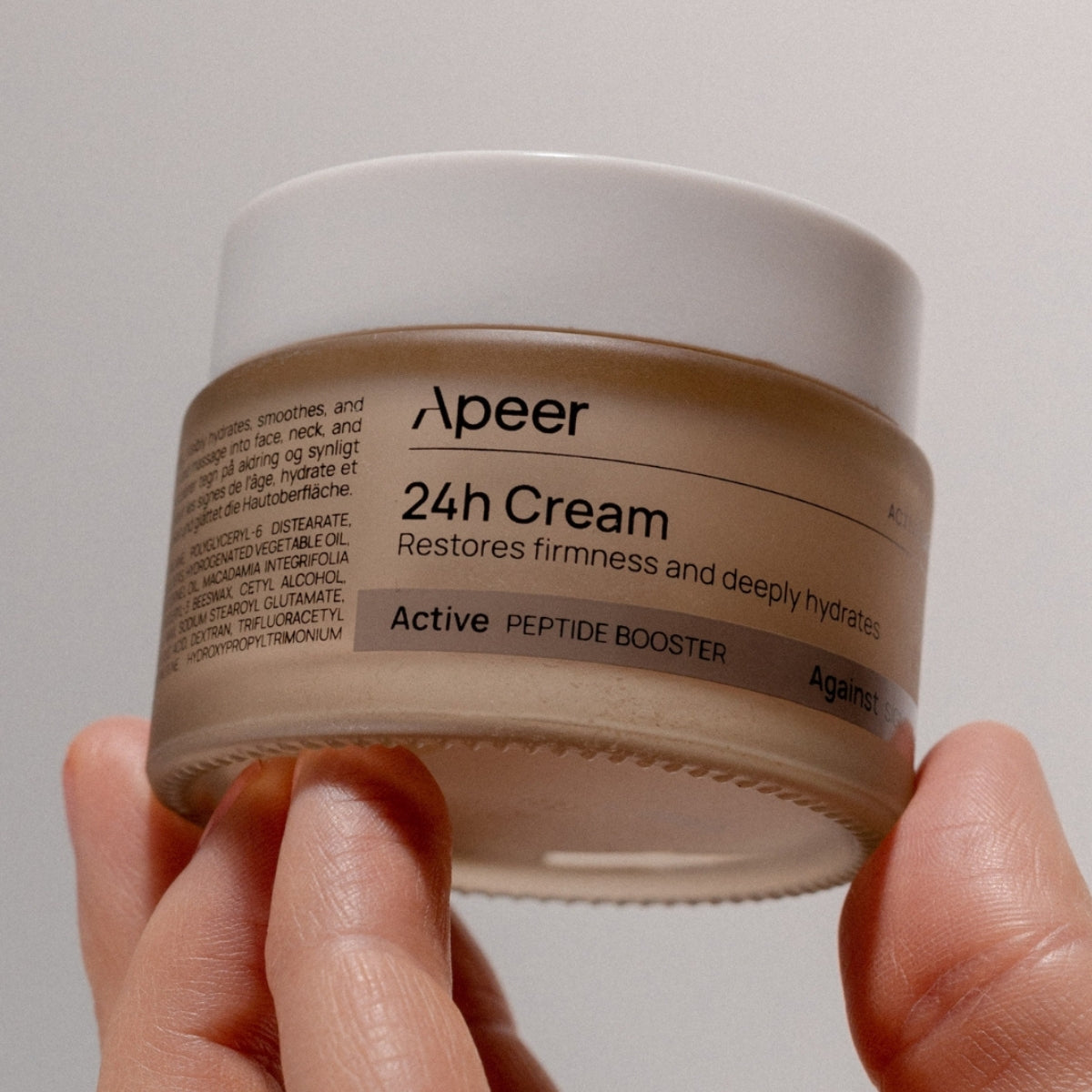
Moisturize: A light moisturizer containing hyaluronic acid or glycerin is ideal for maintaining the skin's moisture balance. Our 24h Cream offers long-lasting hydration and a light texture that is quickly absorbed into the skin.
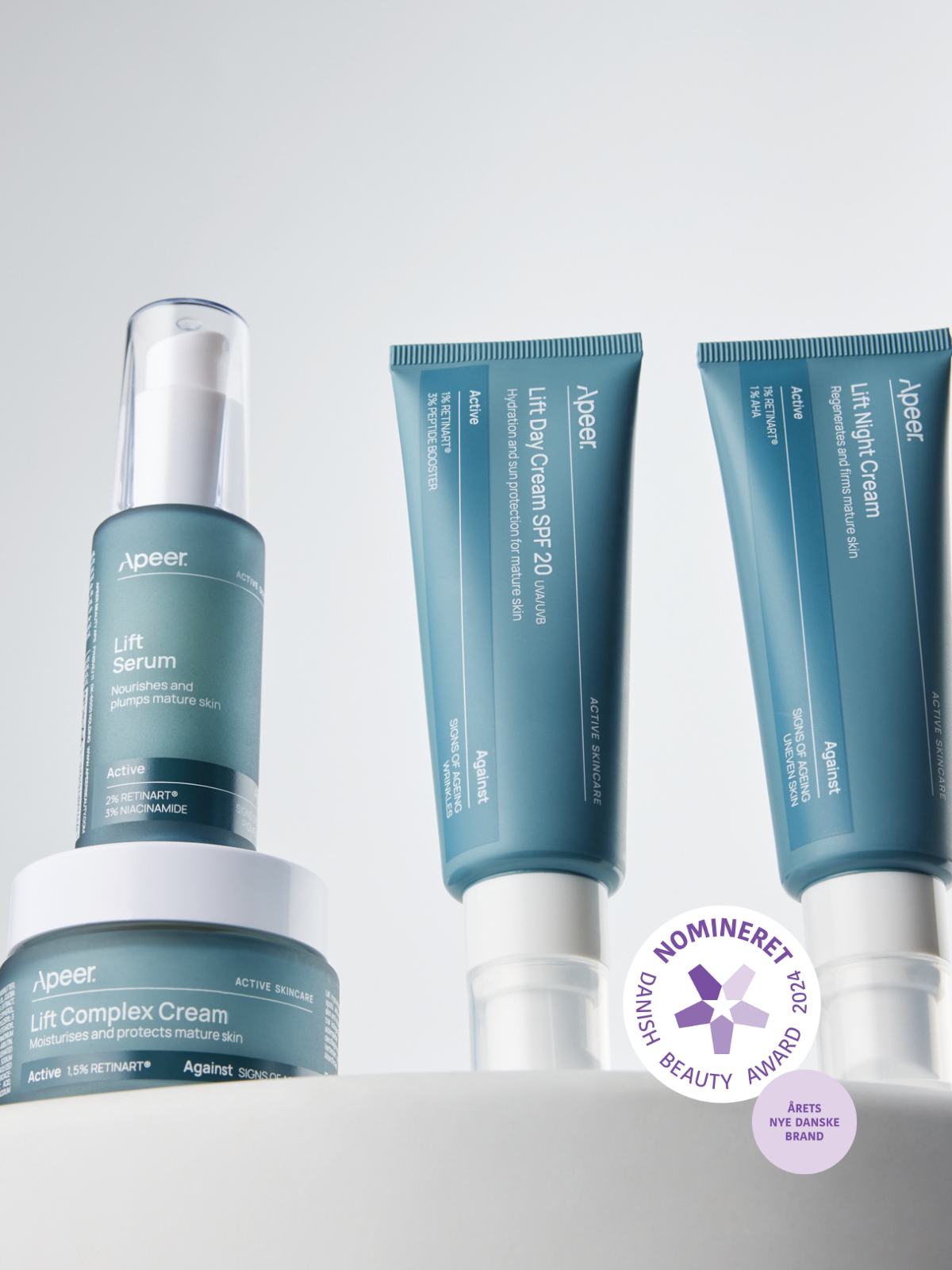
Protect: Sun protection is crucial even for normal skin. A day cream with SPF protects against harmful UV rays and prevents premature signs of aging. Try Lift Day Cream with built-in
sun protection.
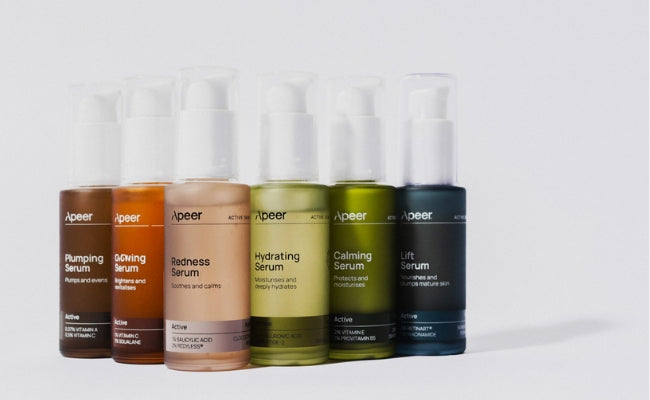
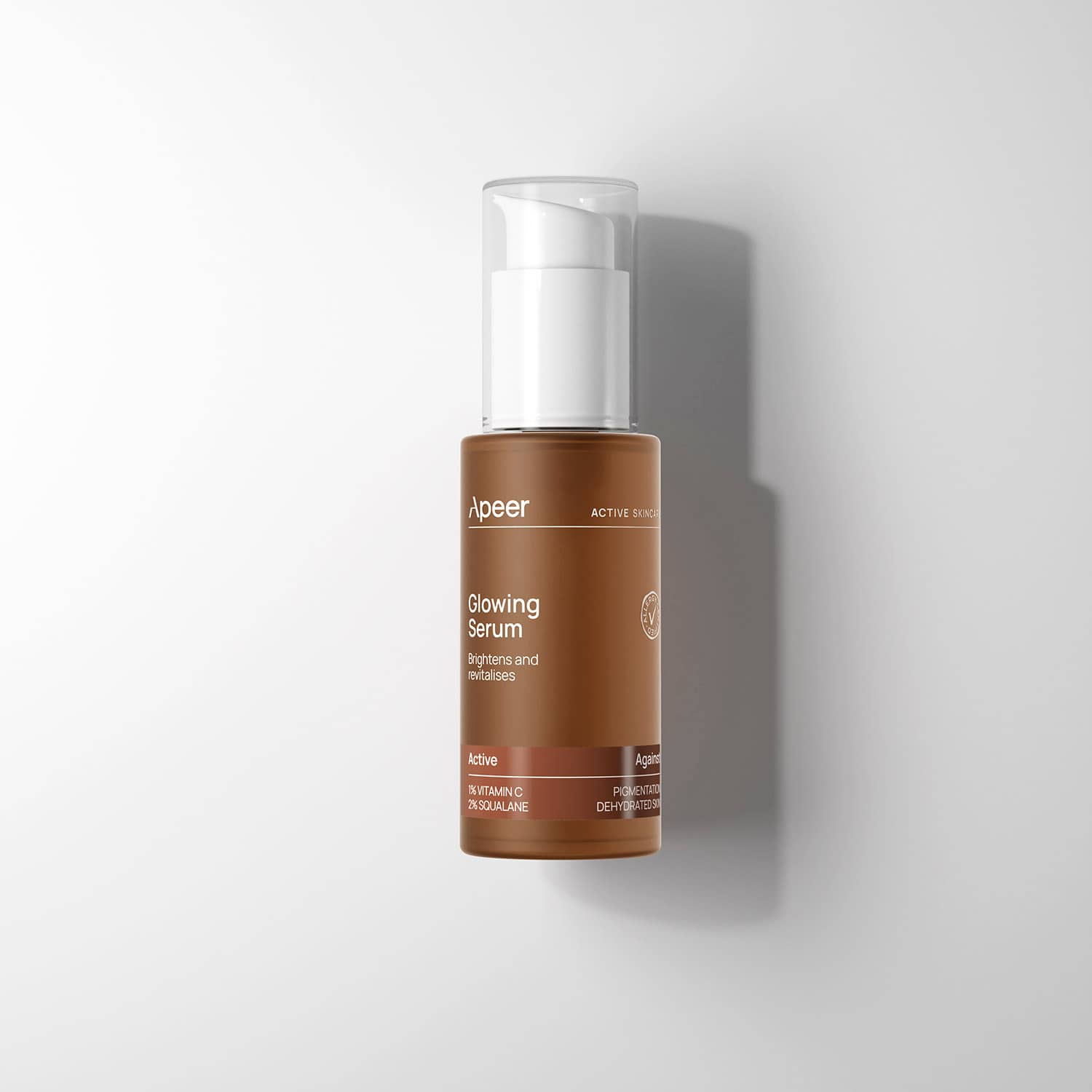
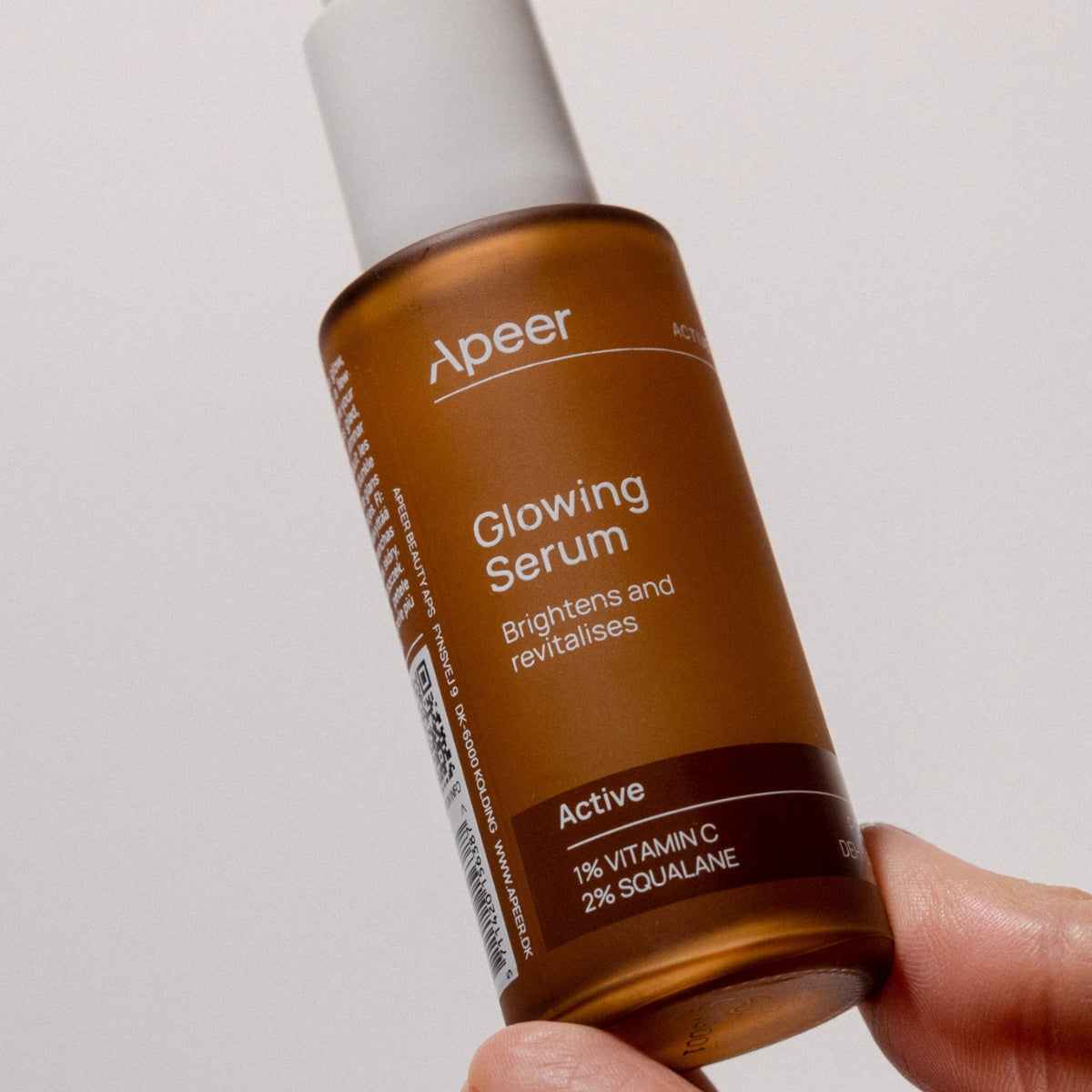
Nourish: Use a serum with antioxidants like vitamin C to protect the skin from free radicals and promote an even skin tone. Try Glowing Serum to boost the skin's natural glow.
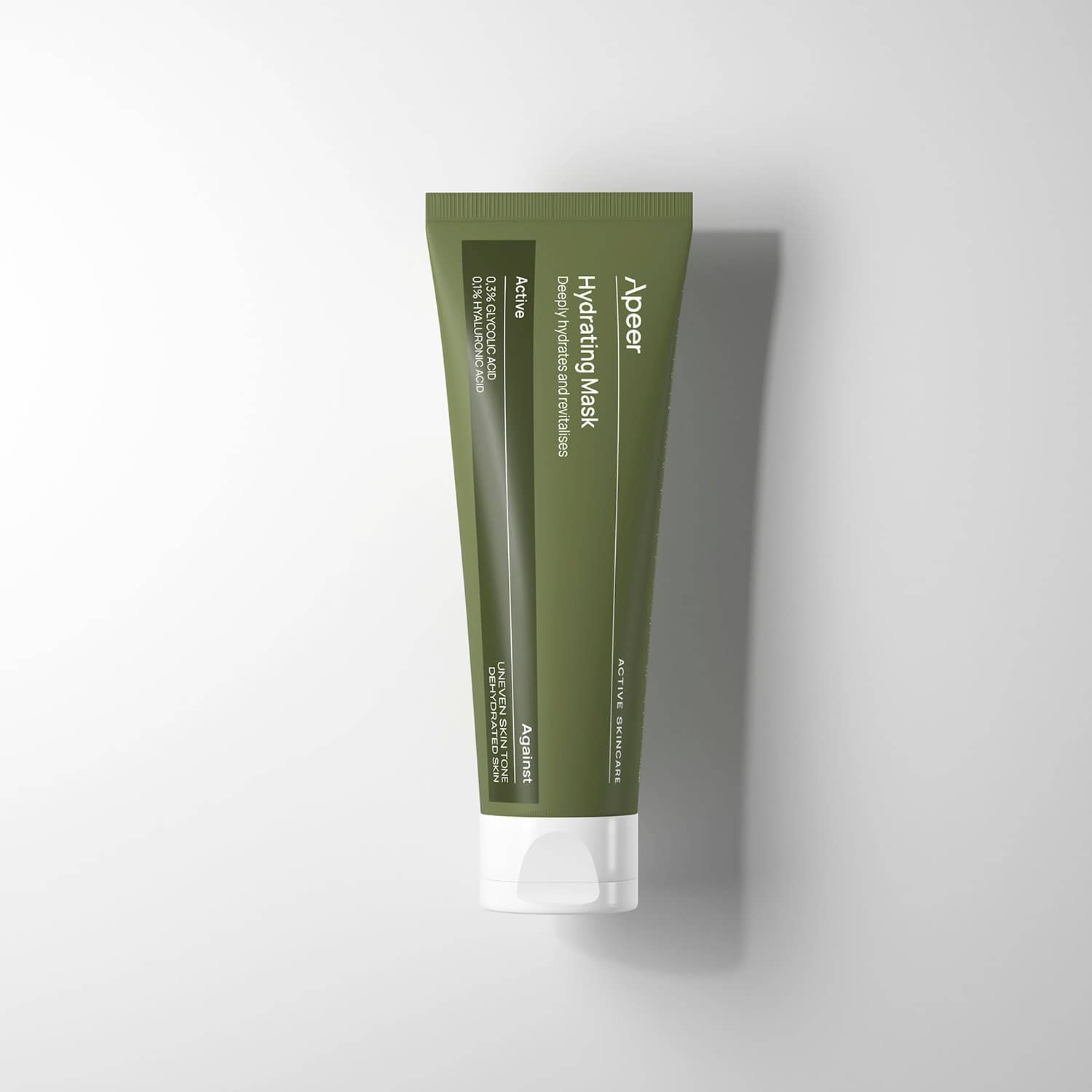
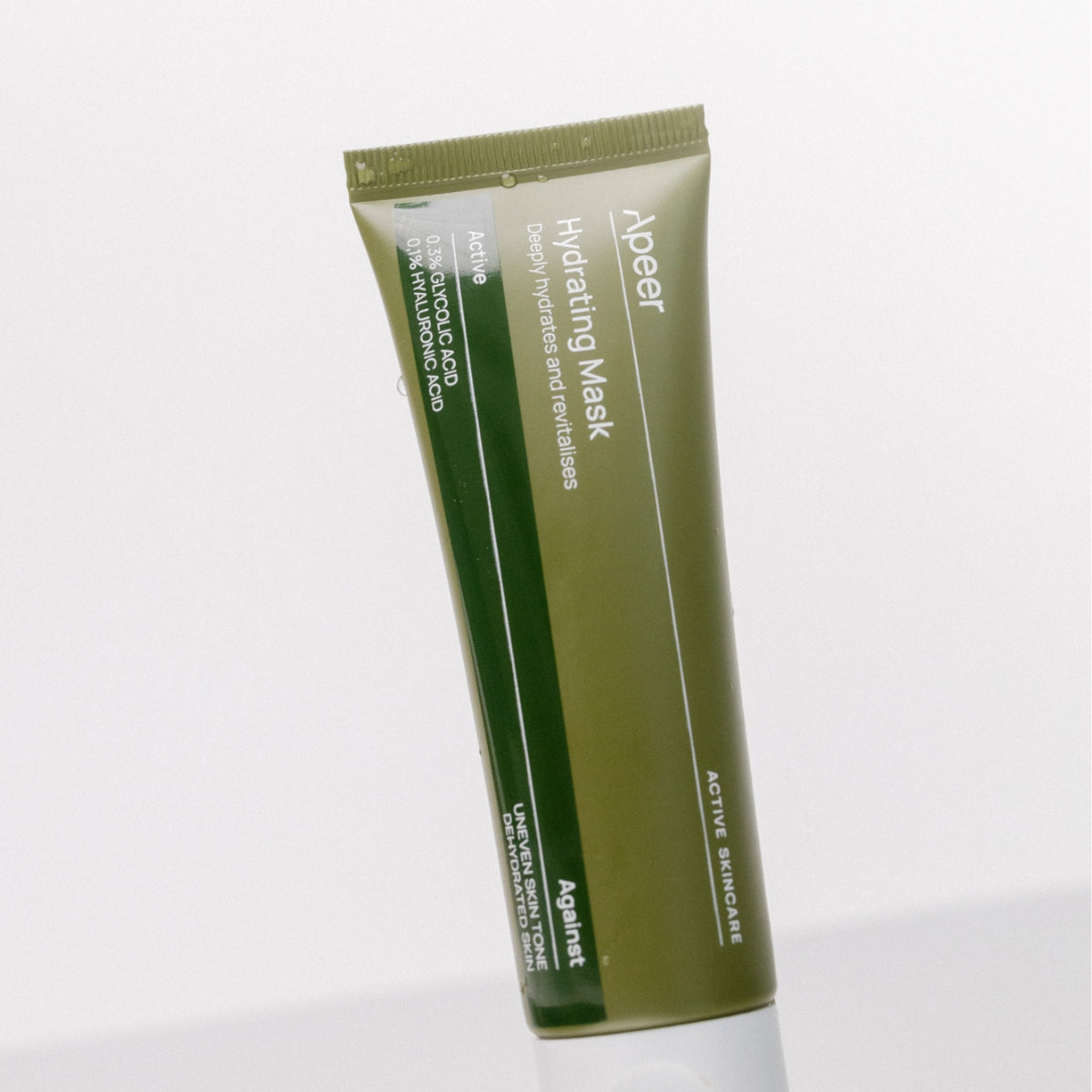
Extra care: A weekly face mask can provide extra moisture or deep cleansing as needed. Our Hydrating Mask provides an intense moisture boost, while our Peeling Mask helps remove dead skin cells and keep the skin clear.
Always remember to choose products designed for your skin type and to maintain a consistent routine for the best results.

Discover your skin type
Sensitive skin
Sensitive skin often reacts to external factors such as skincare products, environmental conditions, and stress. It can feel tight, itchy, and may become red or irritated easily. Sensitive skin requires gentle care with products free from perfume, alcohol, and other potentially irritating ingredients. Soothing ingredients like aloe vera, chamomile, and hyaluronic acid can help calm and protect the skin. Always test new products on a small skin area to avoid reactions.
Understanding Sensitive Skin
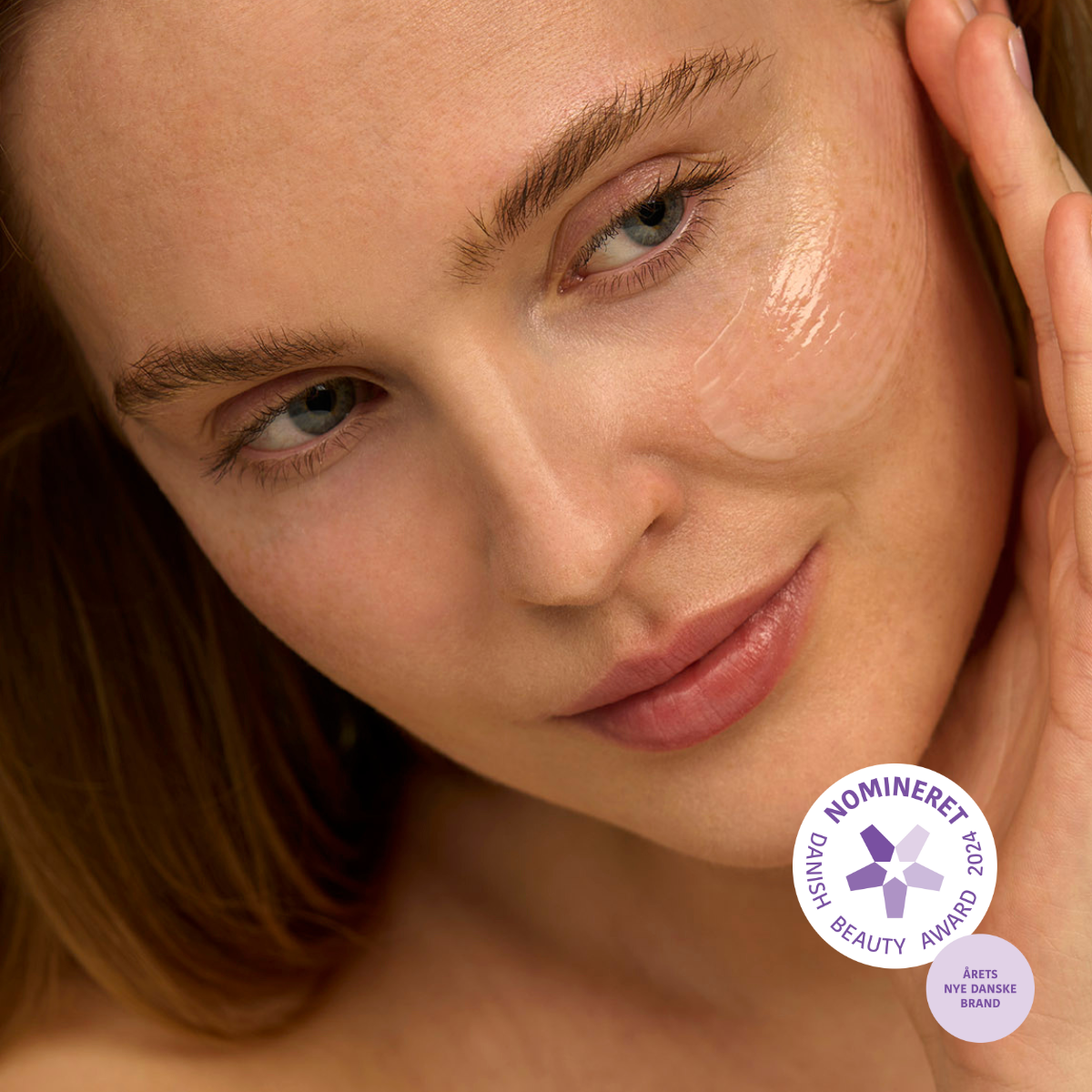
Sensitive skin can be prone to redness, itching, stinging, and irritation, making it challenging to care for. Sensitive skin has a weakened skin barrier, which means it can be more easily irritated by certain ingredients, skincare products, pollution, climate changes, and even certain foods. The weakened barrier makes it harder for the skin to retain moisture and protect itself from harmful substances, resulting in skin that feels tight, dry, and uncomfortable. Reactions can vary from mild redness to more severe breakouts.
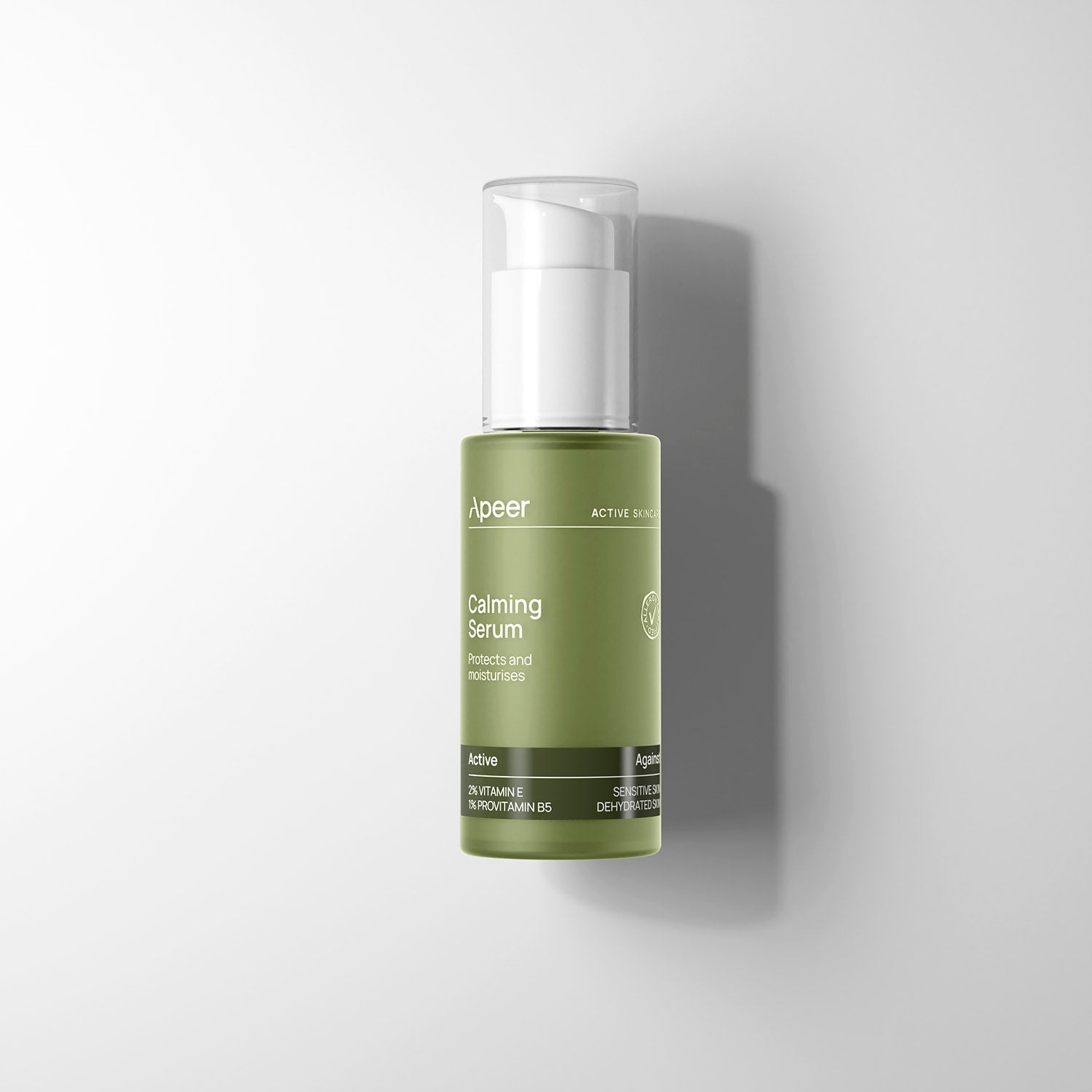
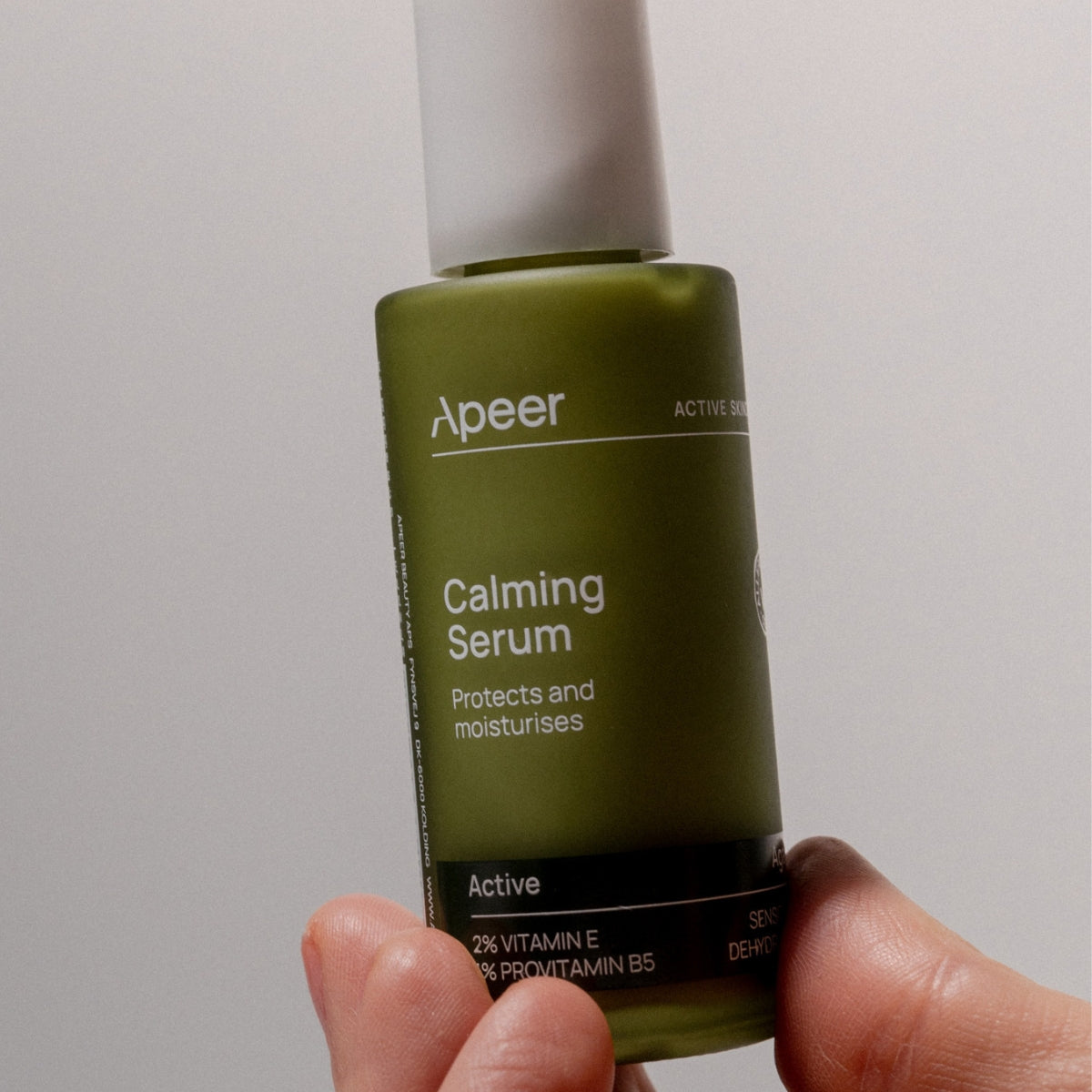
If you have sensitive skin, choose products with soothing and hydrating ingredients such as aloe vera, chamomile, and hyaluronic acid. These ingredients help to soothe the skin and strengthen its natural barrier. Calming Serum is an allergy-certified hydrating serum with soothing ingredients that will relieve dry, red, and tight skin.
Regular, gentle care and attention to the skin's reactions can help minimize irritation and maintain skin health. By understanding sensitive skin and its needs, you can create a skincare routine that protects and soothes, resulting in more comfortable and resilient skin.
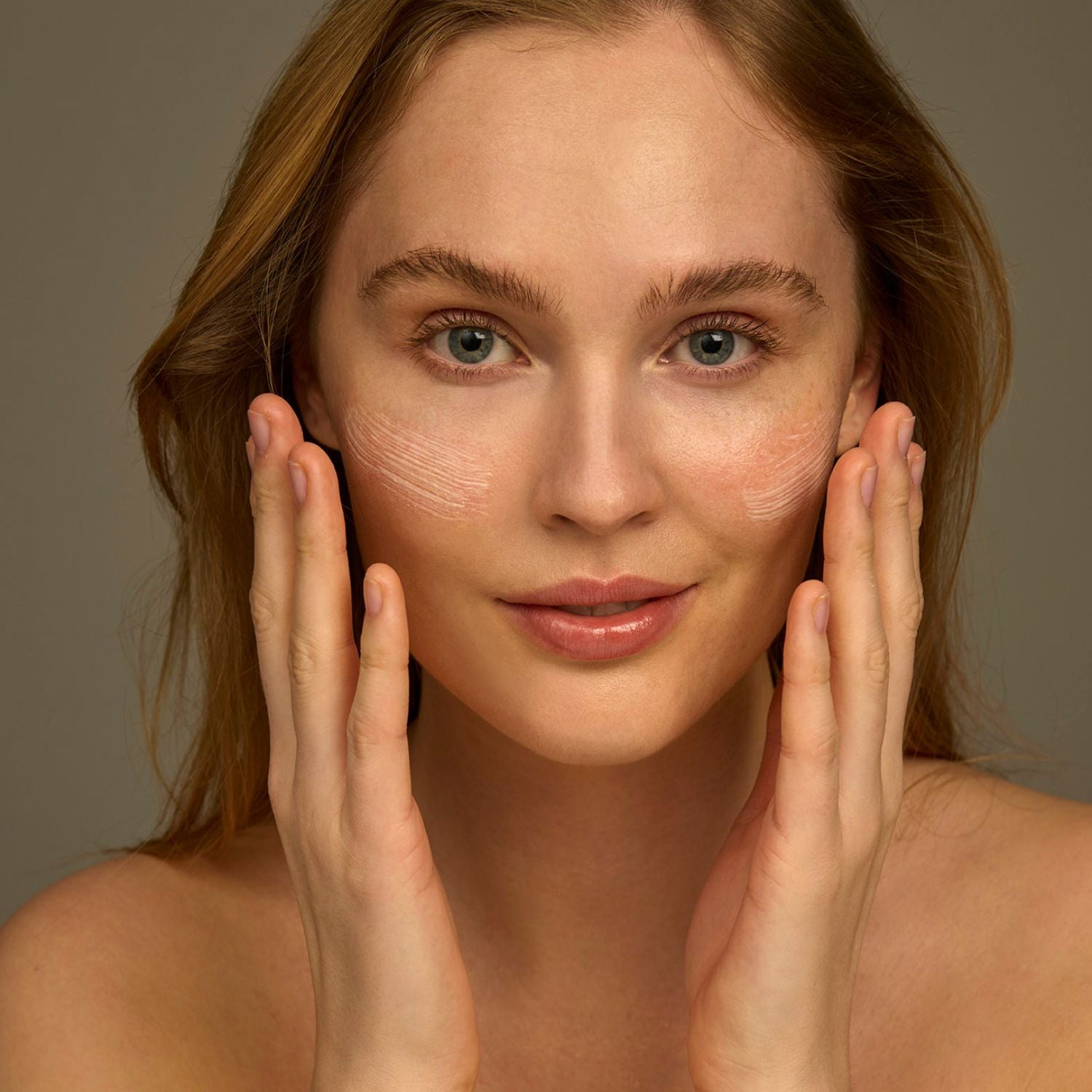
How to recognise sensitive skin
- Redness and inflammation.
- Sensitivity to heat, touch, or warmth.
- Tends to feel tight and dry.
- Thin skin barrier.
Skincare for Sensitive Skin
Skincare for sensitive skin requires products and routines that are mild and gentle to avoid irritation and redness. Here are some key products
and recommendations for effectively caring for sensitive skin.
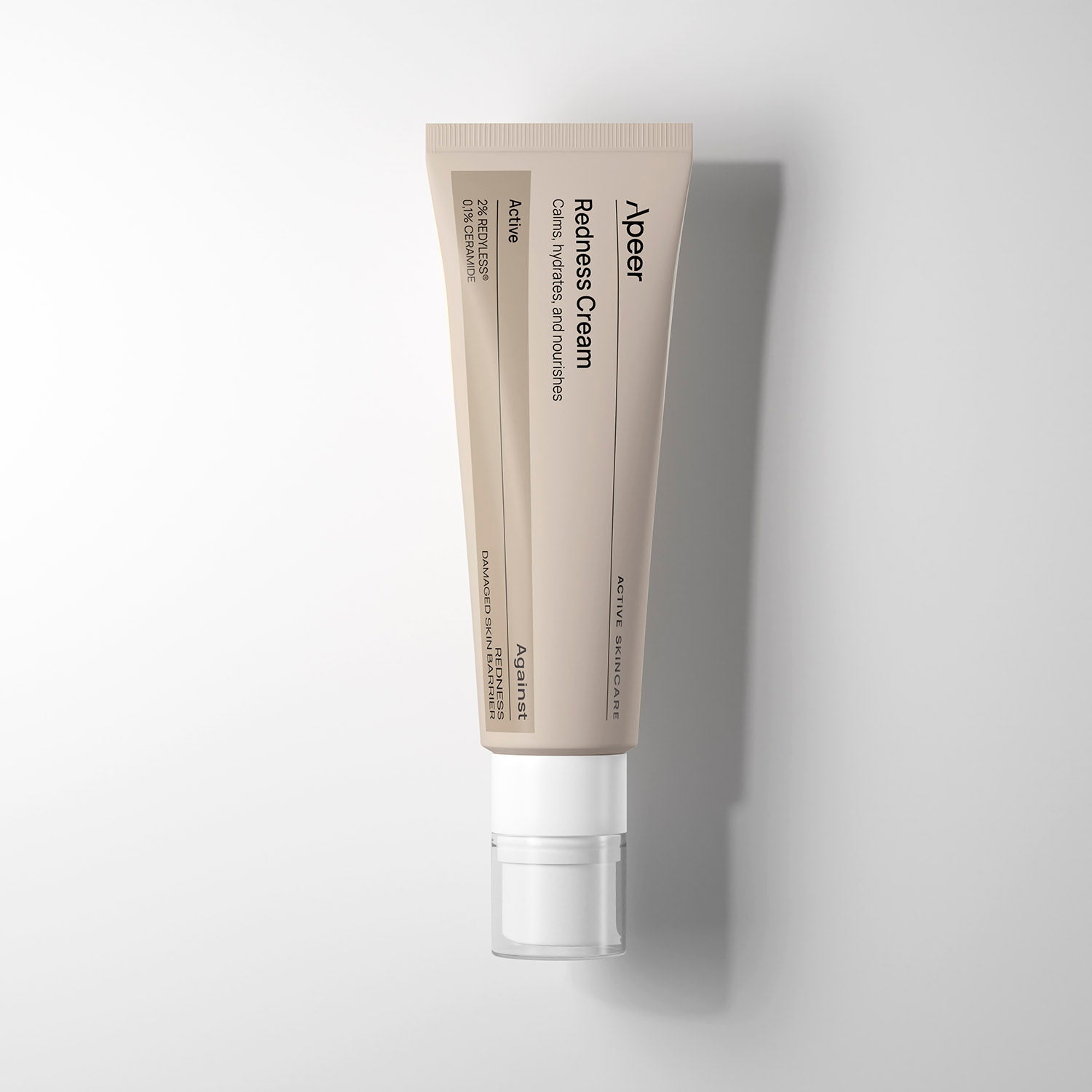
Cleansing: Choose a mild, sulfate-free cleanser that gently removes dirt without disturbing the skin's natural barrier. We recommend our Cleansing Gel, which is developed to gently cleanse the skin without drying or irritating it.
Moisturizing: A cream with soothing ingredients such as hyaluronic acid, glycerin, and panthenol can help maintain the skin's moisture balance
and reduce irritation. Our Calming Serum is specifically formulated for sensitive skin and provides intensive moisture and protection.
Protection: Sensitive skin needs extra protection from environmental stressors. A day cream with SPF protects against UV rays and prevents further irritation. Our Lift Day Cream with SPF offers broad-spectrum protection and a lightweight formula that doesn't weigh down the skin.
To achieve the best results with sensitive skin, it is important to use products specifically formulated to be gentle and soothing. Maintain a consistent routine and avoid products with strong fragrances or aggressive ingredients.
discover your skin type
Dry skin
Dry skin is characterized by a lack of natural oils, resulting in a rough and flaky surface. The skin often feels tight, especially after cleansing, and can be prone to irritation and itching. Fine lines and redness are also common. To care for dry skin, it is important to use mild, moisturizing products that restore the moisture balance without stripping the skin of its natural oils. A good moisturizer and gentle cleansers can help improve the skin's condition.
Understanding Dry Skin
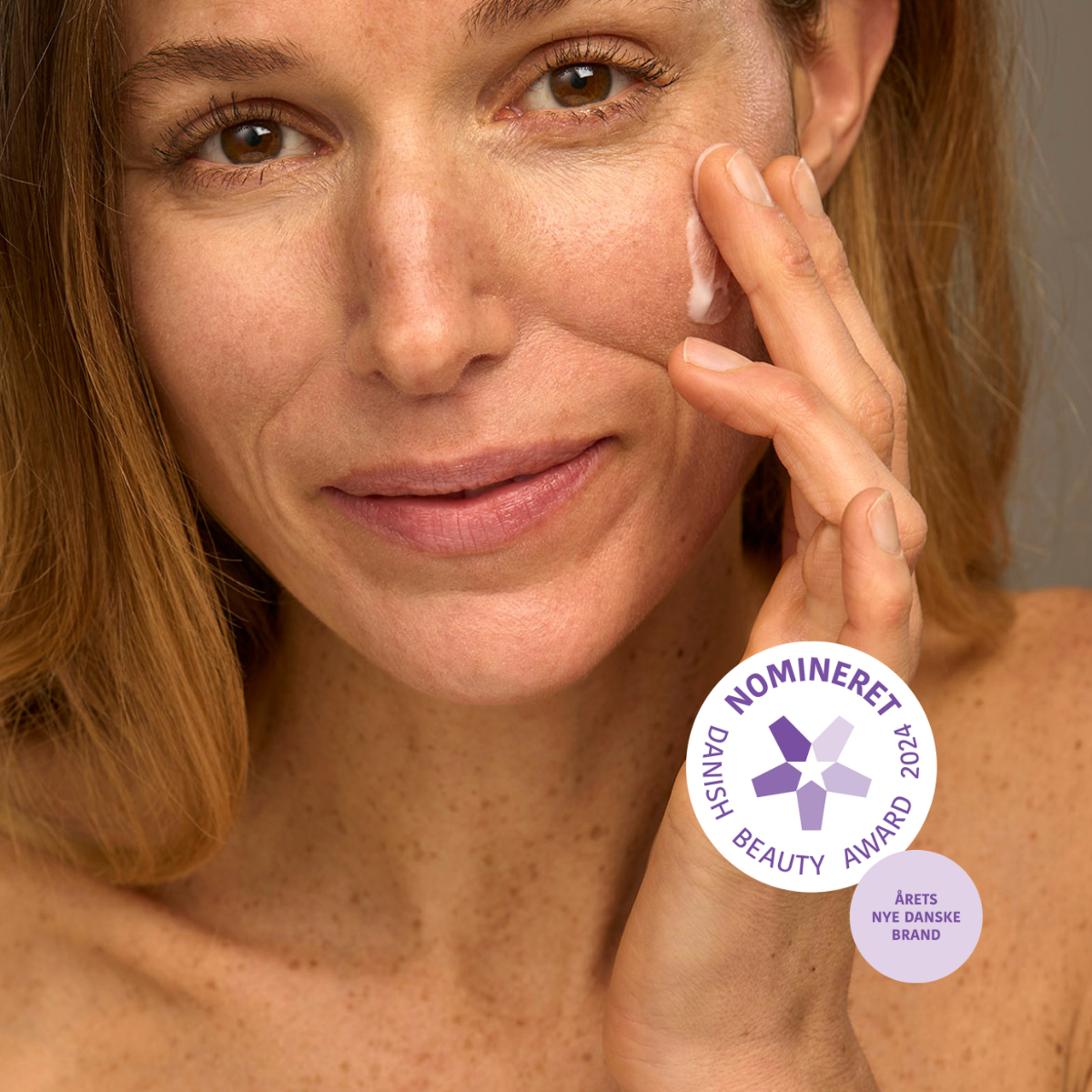
Dry skin occurs when the skin's natural protective barrier is weakened, making it difficult for the skin to retain moisture. This can be due to genetic factors, environmental influences such as cold weather and low humidity, or the use of harsh soaps and cleansing products. When the skin lacks moisture and oils, it loses its elasticity and becomes more vulnerable to irritation and signs of aging such as fine lines and wrinkles.
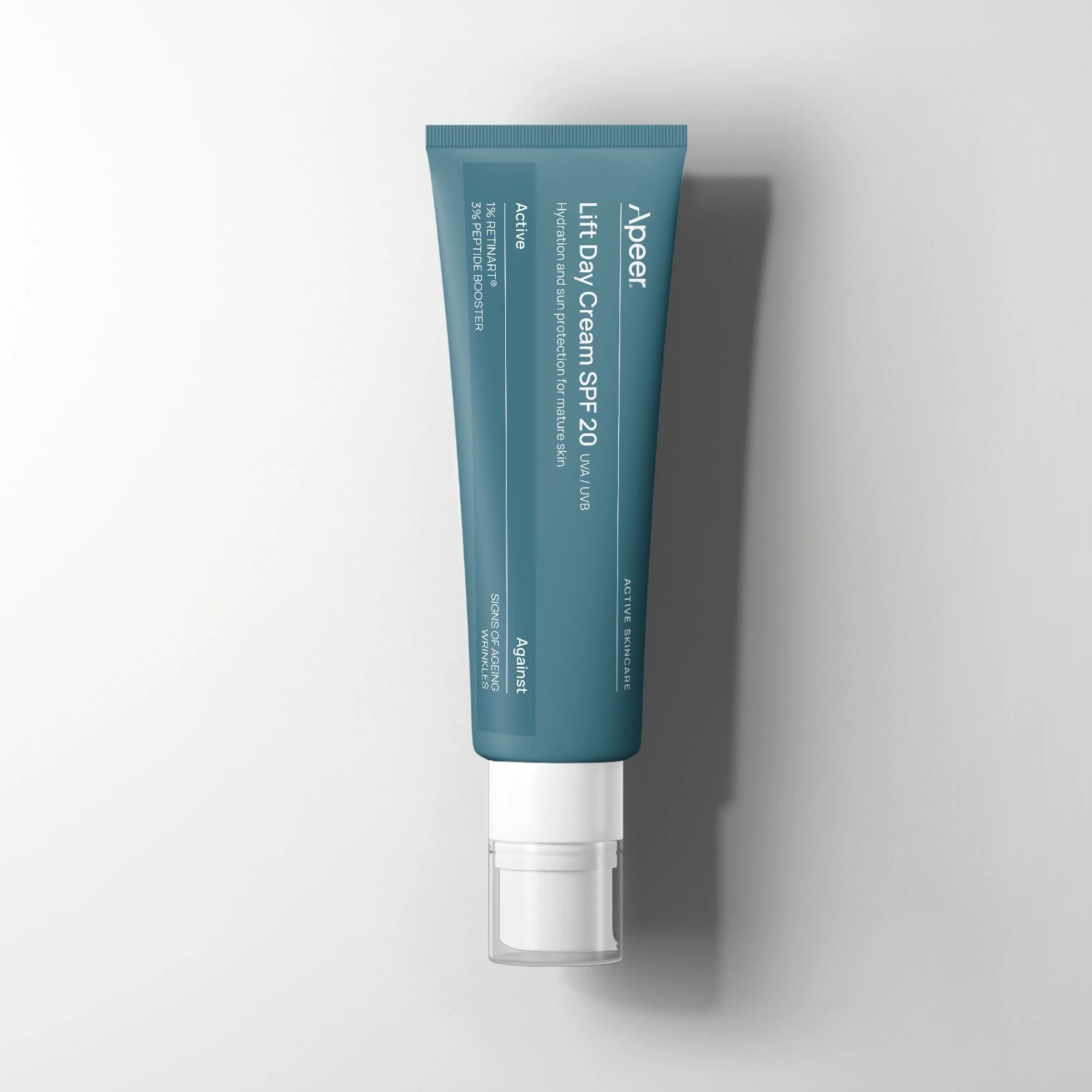
To care for dry skin, it is crucial to choose products specifically formulated to provide and retain moisture. A mild cleanser that does not strip the skin of its natural oils is essential to prevent further dehydration. After cleansing, a rich, moisturizing cream should be applied to restore the skin's moisture balance and strengthen its natural barrier. Try our Lift Day Cream if you are looking for a rich cream with moisturizing and nourishing ingredients.
By understanding dry skin and its needs, an effective skincare routine can be developed that not only alleviates dryness but also improves the skin's overall health and appearance. Regular use of moisturizing products and protection against drying factors will ensure that the skin remains soft, supple, and healthy.

How to recognize dry skin
- Scaly or flaky skin.
- Tight and uncomfortable feeling - especially after cleansing.
- Redness and irritation.
- Visible fine lines and rough texture.
Skincare for dry skin
Cleanse gently: Use a mild, non-foaming cleanser that removes dirt without stripping the skin of its natural oils. Avoid soaps that can be too harsh and drying.
Intensive moisturization: Invest in a rich, moisturizing cream that contains ingredients like hyaluronic acid, glycerin, and ceramides, which help keep the skin hydrated and strengthen its barrier. Apply the cream while the skin is still slightly damp after cleansing to seal in moisture.
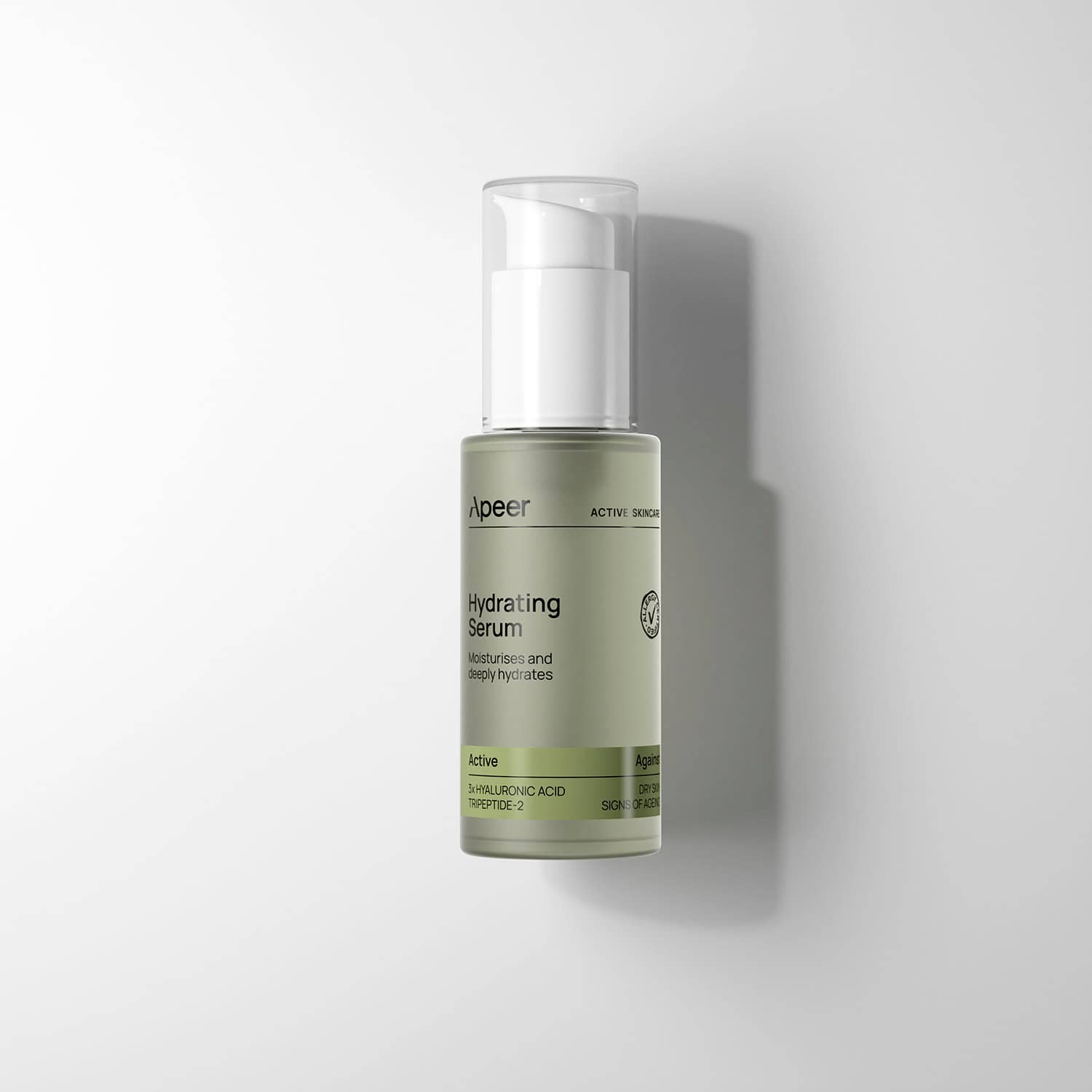
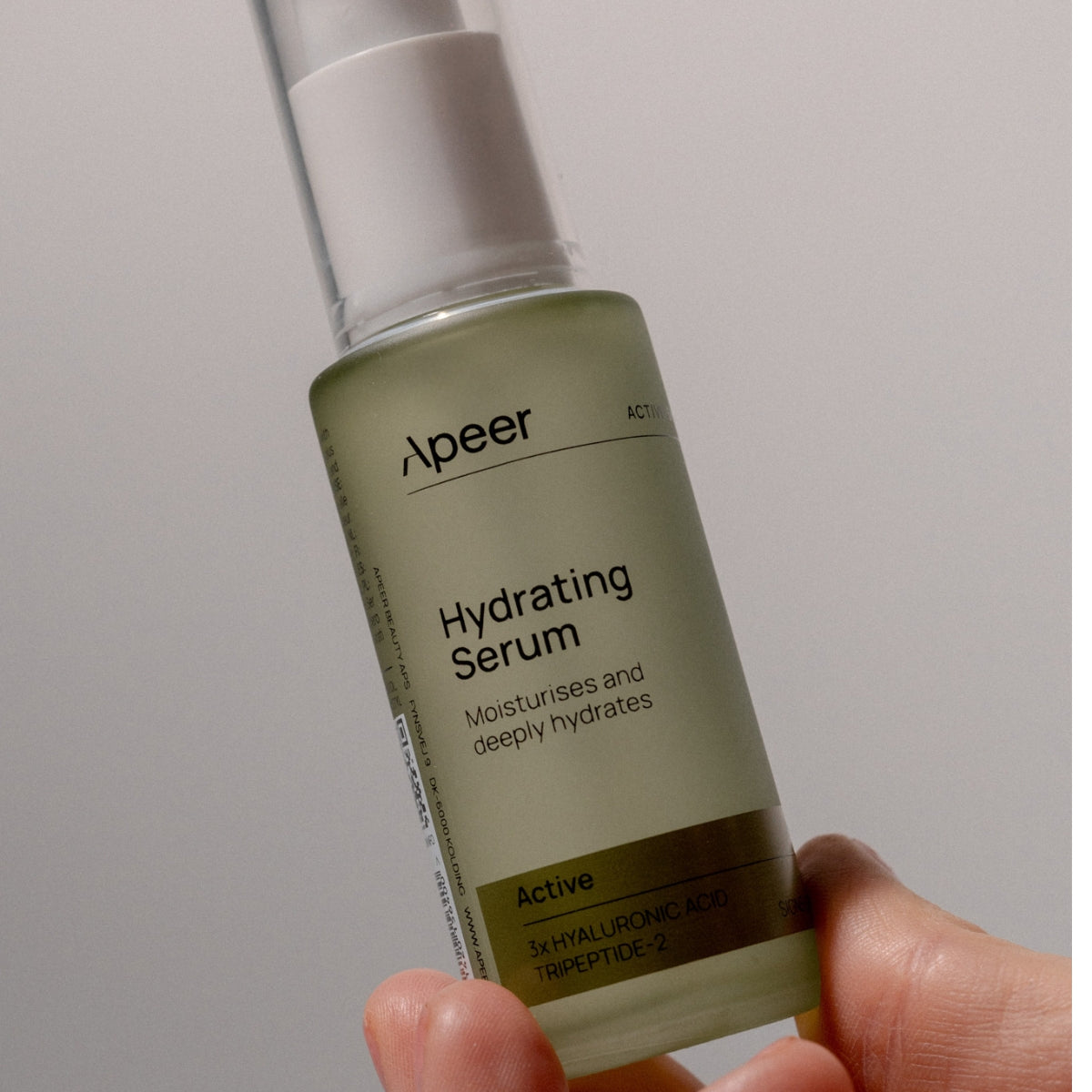
Use serum: Add a hydrating serum to your routine, especially those containing hyaluronic acid and peptides. These ingredients penetrate deep into the skin and provide long-lasting moisture. Use Hydrating Serum to give your skin an intense moisture boost.
Avoid hot baths: Hot baths and showers can strip natural oils from the skin. Instead, use lukewarm water and limit the duration.
Face masks: Use moisturizing face masks one to two times a week to provide extra care and hydration. Masks with ingredients like squalane and aloe vera can be particularly beneficial. See, for example, our Hydrating Mask.

Discover your skin type
Oily skin
Oily skin is characterized by an overproduction of sebum, resulting in a shiny surface and a tendency towards clogged pores and acne. The skin can feel greasy, especially in the T-zone (forehead, nose, and chin). To care for oily skin, it is important to use light, oil-free products and avoid heavy creams. Regular cleansing and exfoliation help control oil production and keep pores clean. Ingredients such as salicylic acid and niacinamide can reduce excess oil and prevent breakouts.
Understanding oily skin
Oily skin is a common skin type characterized by an overproduction of sebum, which is a natural oil produced by the skin's sebaceous glands. This overproduction can lead to shiny or greasy skin, especially in the T-zone (forehead, nose, and chin). Oily skin can be genetically determined, but it can also be caused by hormonal changes, stress, or inappropriate skincare products.
Many mistakenly believe that oily skin does not need moisture, but dehydrated skin can actually increase sebum production in an attempt to compensate for lack of moisture. Our Cleansing Gel with salicylic acid helps balance the skin's oil production and also ensures that the skin does not dry out.
A proper skincare routine for oily skin involves using mild cleansing products that effectively remove excess oil without stripping the skin of its natural moisture. It is also important to use oil-free and non-comedogenic products that do not clog pores. Exfoliation can help remove dead skin cells and reduce the risk of clogged pores, but it should be done with care to avoid irritation. By using targeted solutions and maintaining a consistent skincare routine, you can achieve more balanced and clear skin.
How to recognize oily skin
- Shiny appearance - especially in the T-zone.
- Enlarged, visible pores.
- Frequent breakouts of acne and blackheads.
- Makeup slides off the skin or doesn't last long.
Skincare for oily skin
Oily skin requires a meticulous skincare routine to control excess oil production and prevent acne breakouts and blackheads. Here are some key steps and products that can help effectively care for oily skin.
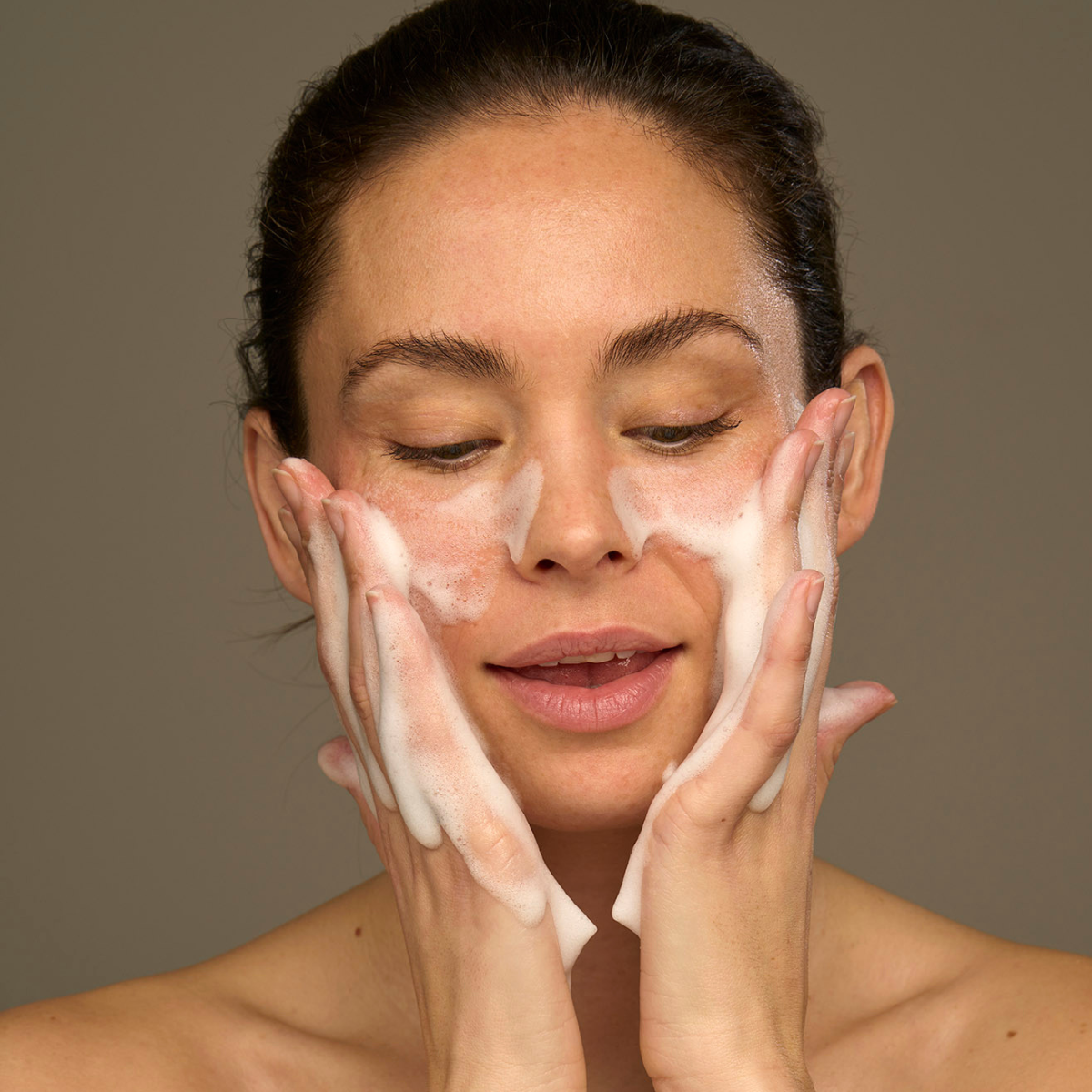
Cleansing: Start your day with a deep-cleansing gel or foam that effectively removes excess oil and dirt. A cleanser with salicylic acid can help exfoliate and prevent clogged pores. See our Cleansing Gel.
Moisture: While it may seem counterintuitive, oily skin also needs moisture. Choose a light, oil-free moisturizer that hydrates without clogging pores. Our Hydrating Serum is oil and silicone-free and is perfect for maintaining moisture balance without adding extra oil to the skin.
Sun Protection: Use a lightweight sunscreen with a matte finish to protect your skin from UV rays without causing oily skin. Lift Day Cream with SPF 20 is a lightweight sunscreen that sits beautifully on the skin without making it greasy.

Discover your skin type
Combination skin
Combination skin has a mixture of dry and oily areas. Typically, the T-zone (forehead, nose, and chin) is oily with a tendency towards blemishes and shiny skin, while the cheeks can be normal to dry. Caring for combination skin requires balance: use light, oil-free products in the T-zone and richer moisturisers on the dry areas. Regular exfoliation can help remove dead skin cells and prevent clogged pores, while gentle cleansing and appropriate hydration can maintain the skin's balance.
Understanding Combination Skin
Often, combination skin will experience the T-zone (forehead, nose, and chin) as more oily and prone to blemishes, while the cheeks and areas around the eyes may be dry or normal. This variation in skin condition makes it necessary to use different products and care routines to achieve healthy and balanced skin.
An effective skincare routine for combination skin should include gentle cleansing morning and night, exfoliation 1-2 times a week to remove dead skin cells, and an appropriate moisturizer for the entire face, possibly supplemented with specific products for different skin areas. Lift Complex Cream is a nourishing cream that provides the skin with plenty of moisture without making it unnecessarily greasy.
By understanding and adapting skincare to the unique requirements of combination skin, one can achieve more balanced and healthy skin. Regular attention to the skin's condition and adjusting the care routine as needed is key to effectively managing combination skin.

How to recognize combination skin
- Uneven skin texture.
- Mixed skin concerns like acne and dryness.
- Requires different products for different areas.
- Oily T-zone (chin, nose, forehead) and dry/normal cheeks.
Skincare for Combination Skin
Combination skin requires a balanced skincare routine that can handle both dry and oily areas of the face. Here are some recommendations on how to easily care for combination skin.
Cleanse: Start with a mild yet effective cleanser that can remove dirt and excess oil without drying out the dry areas. A gel-based or foaming cleanser is often a good choice. Our Cleansing Foam is ideal for keeping the T-zone clean without irritating the drier areas of the face.
Exfoliation: Gently exfoliate with a chemical exfoliant containing AHA or BHA to remove dead skin cells and keep pores clean. Do this 1-2 times a week to avoid over-exfoliation, which can irritate the skin. Cleansing Face Scrub contains tiny apricot kernels that provide a very mild exfoliation.
Moisturise: Apply a light, oil-free moisturiser to the entire face to hydrate dry areas without adding extra oil to the T-zone. 24h Cream provides the necessary moisture without feeling heavy or greasy.
By following this routine, you can effectively care for combination skin and achieve a more balanced and healthy complexion.