
Recognize skin challenges
Understanding Skin Challenges: A Guide to Caring for and Protecting Your Skin
Skin challenges vary from person to person. One's specific skin challenges are crucial for understanding how the skin reacts to different conditions and influences. Some people experience only mild discomfort, while others may have more significant problems such as acne, rosacea, eczema, or psoriasis. Regardless of the challenges one faces, it is important to care for and protect the skin from harmful factors such as the sun, pollution, and stress. By identifying and understanding our individual skin challenges, we can make informed choices about care and treatment to maintain healthy and beautiful skin. Read on below to learn how best to manage your skin challenges.
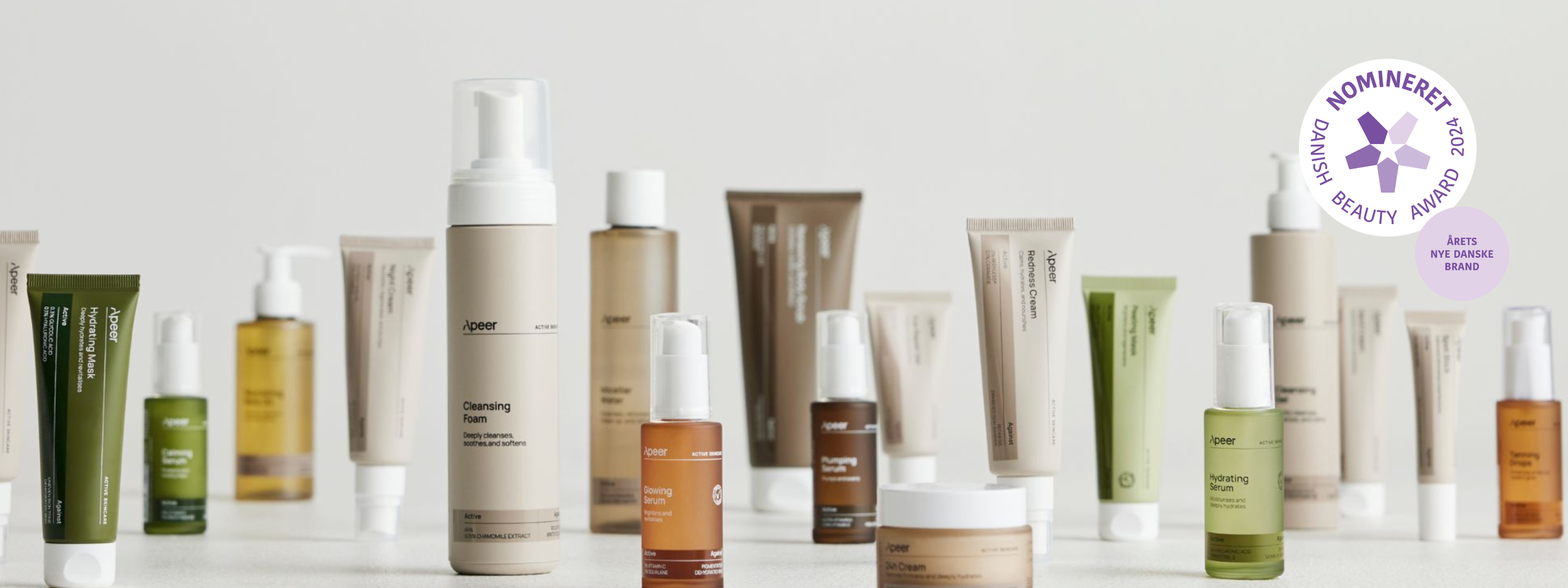
Get active ingredients and effective care for your skin
Go to section:
Acne
Acne is a common skin condition that can affect people of all ages. It occurs when hair follicles become clogged with oil and dead skin cells, resulting in pimples, blackheads, and other skin lesions. Acne can range from mild to severe and can have a significant impact on a person's self-esteem and quality of life. To effectively manage acne, it is important to understand its causes and the best methods for treatment.
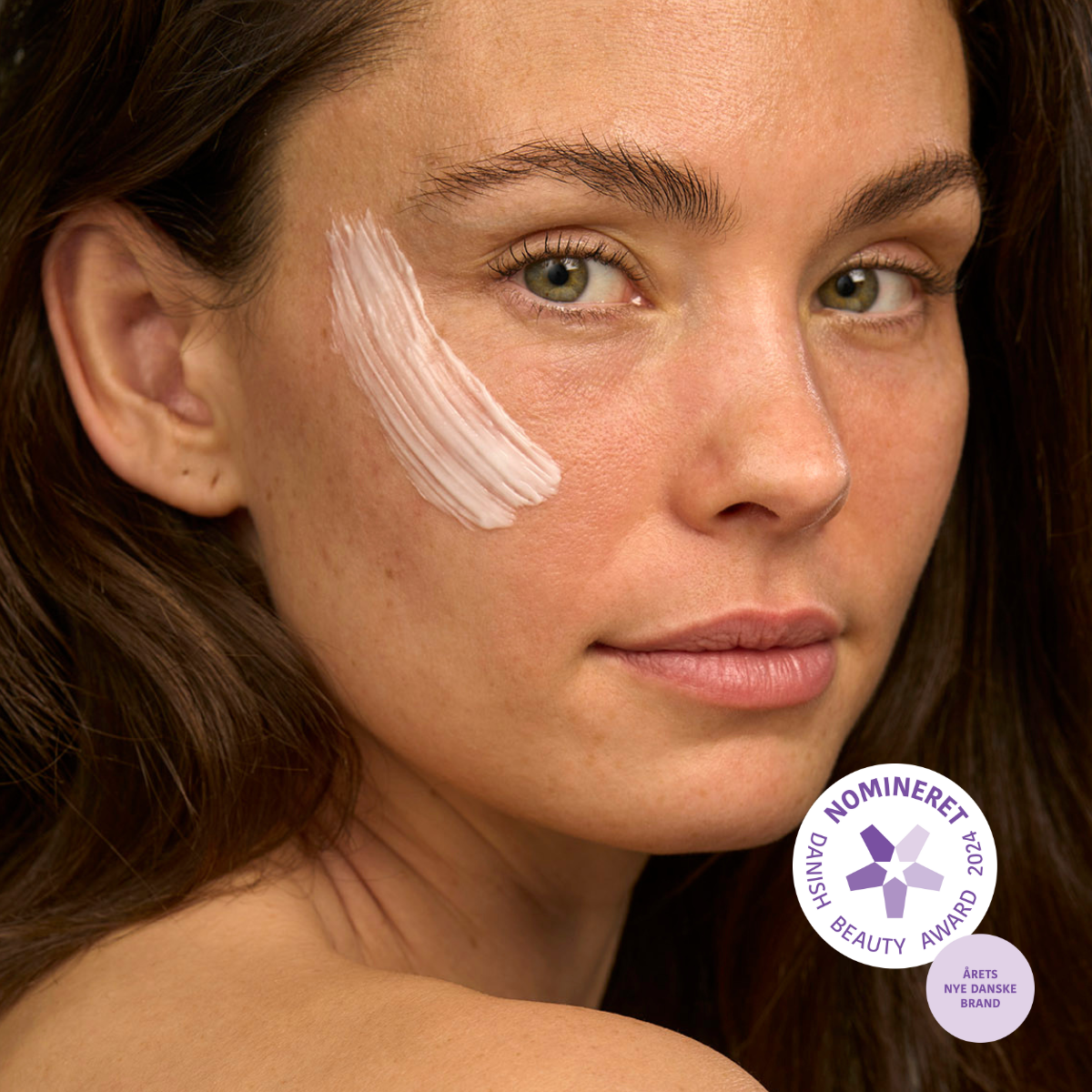
Understanding Acne
Acne occurs when hair follicles become clogged with oil and dead
skin cells. It can appear anywhere on the body but is most common on the face, chest, back, and shoulders. Acne is often associated with hormonal changes, which is why it often begins during puberty. Other factors that can contribute to acne include stress, diet, genetics, and certain skincare products. It is important to note that acne is not just a problem for teenagers; many adults also experience acne breakouts.
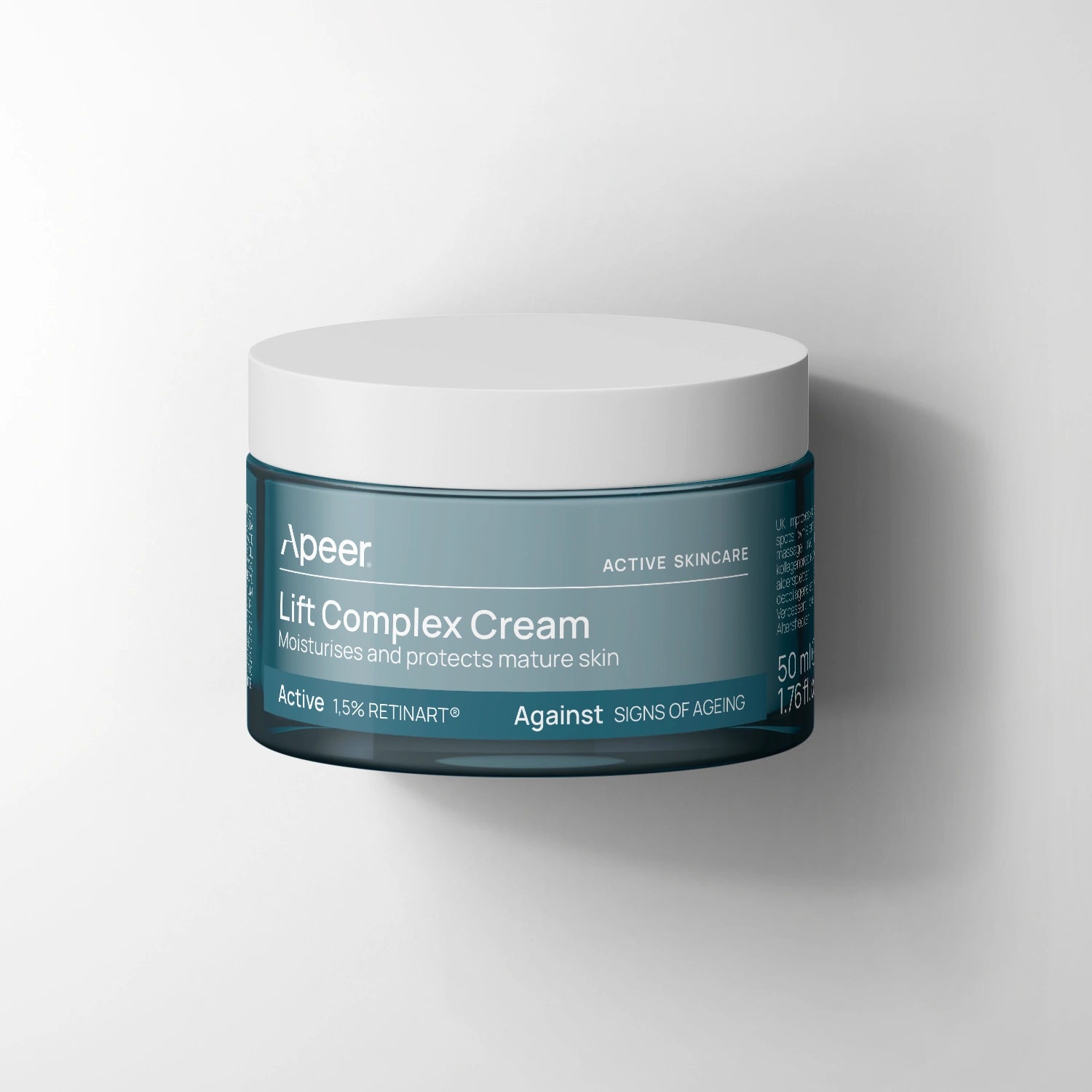
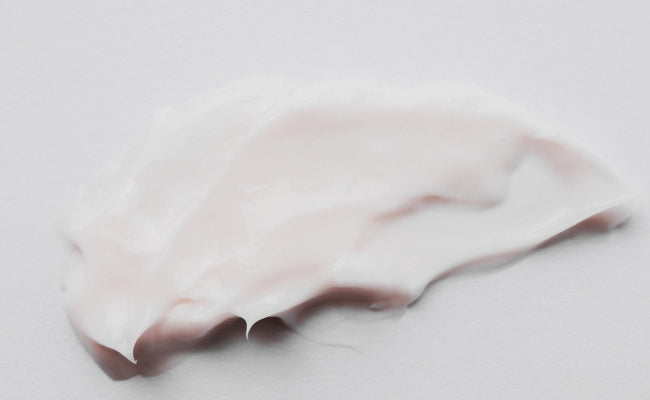
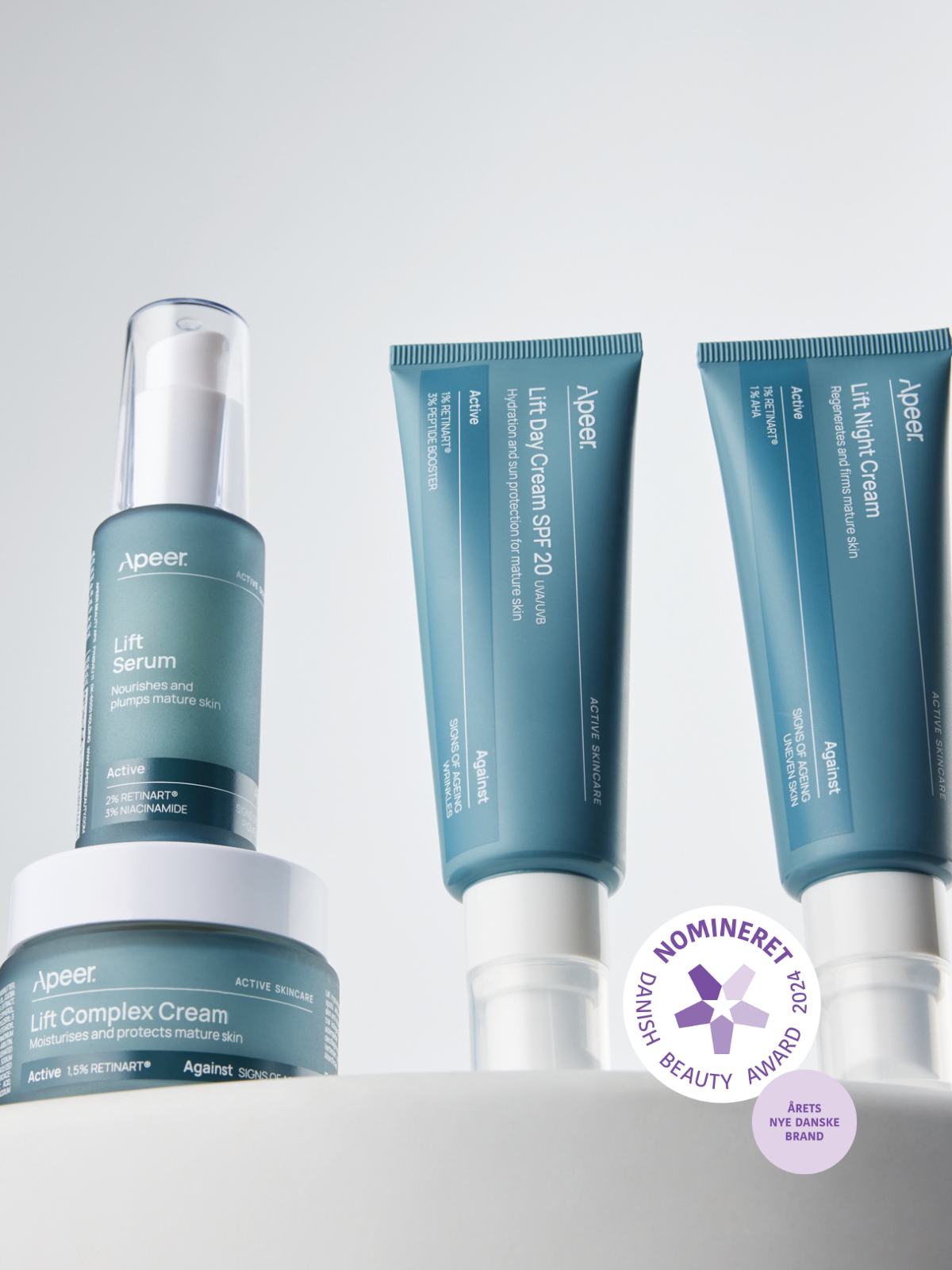
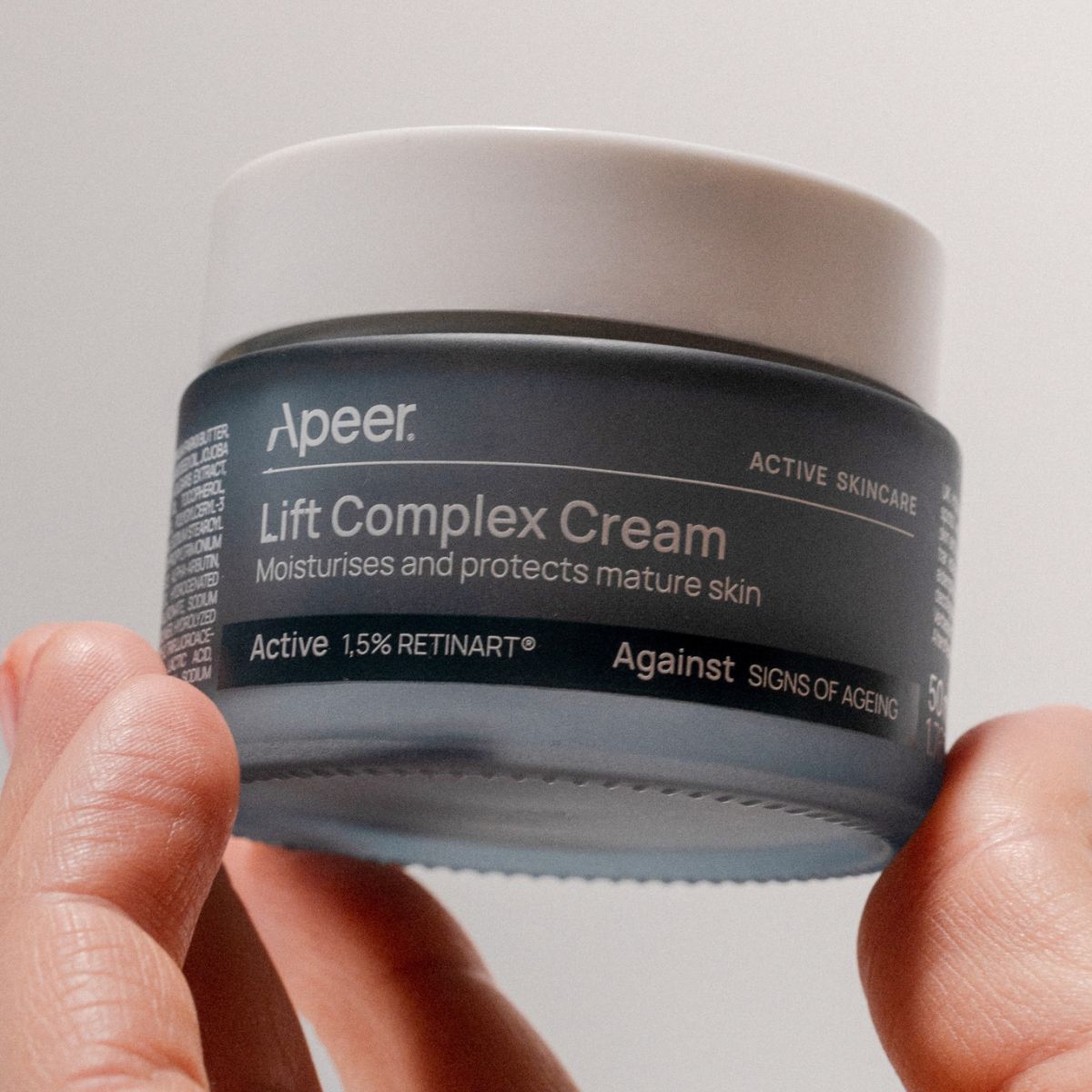
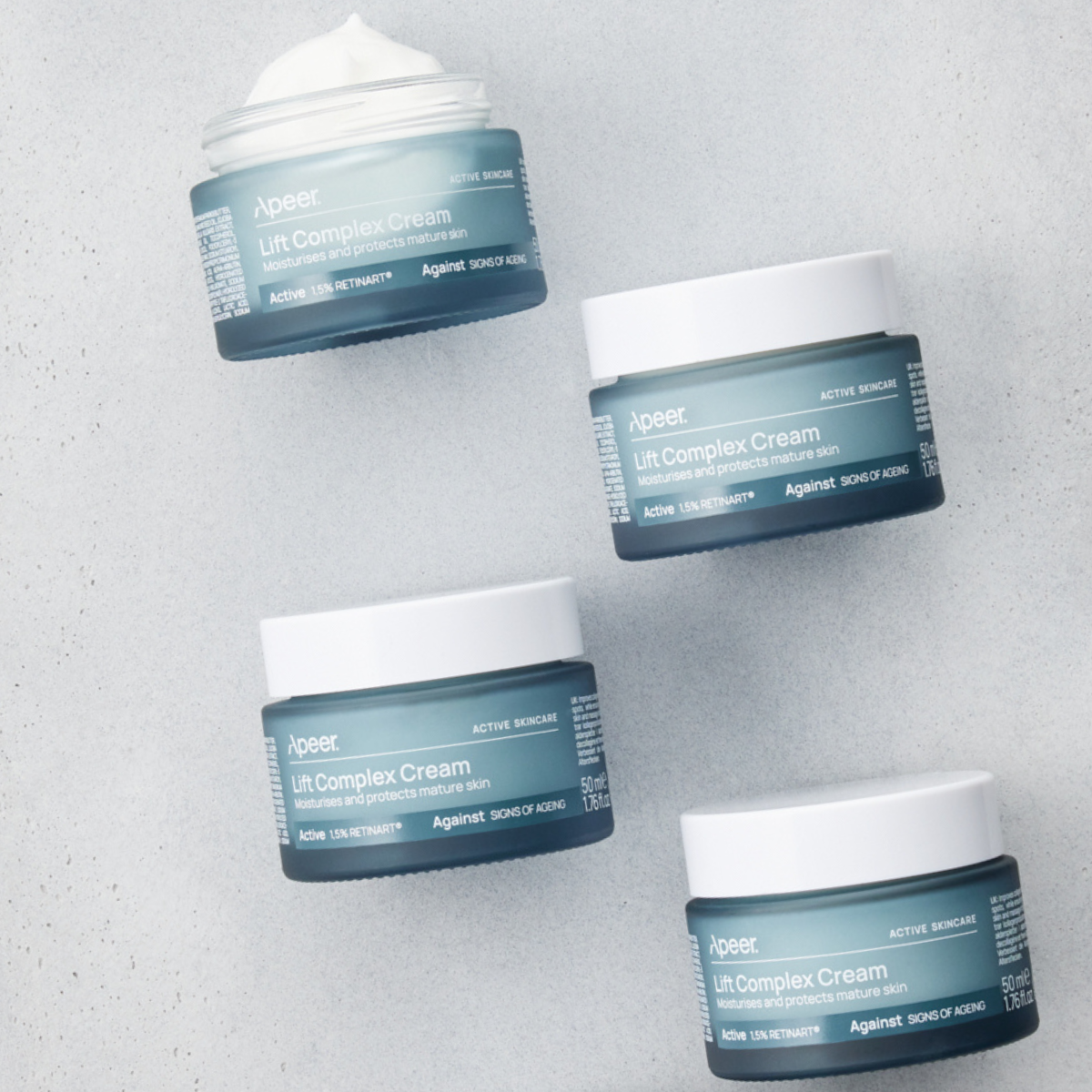
Lift Complex Cream is a nourishing cream that doesn't leave a heavy film on the skin, which already doesn't need any more greasy additions. With its mix of active ingredients and the groundbreaking RetinART®, skin tone becomes more even, elasticity improves, and the skin is thoroughly moisturized.
Signs of acne
- Red and sore bumps/pimples.
- Blackheads and whiteheads.
- Redness and inflammation/pus.
- Tendency to oily and shiny skin.
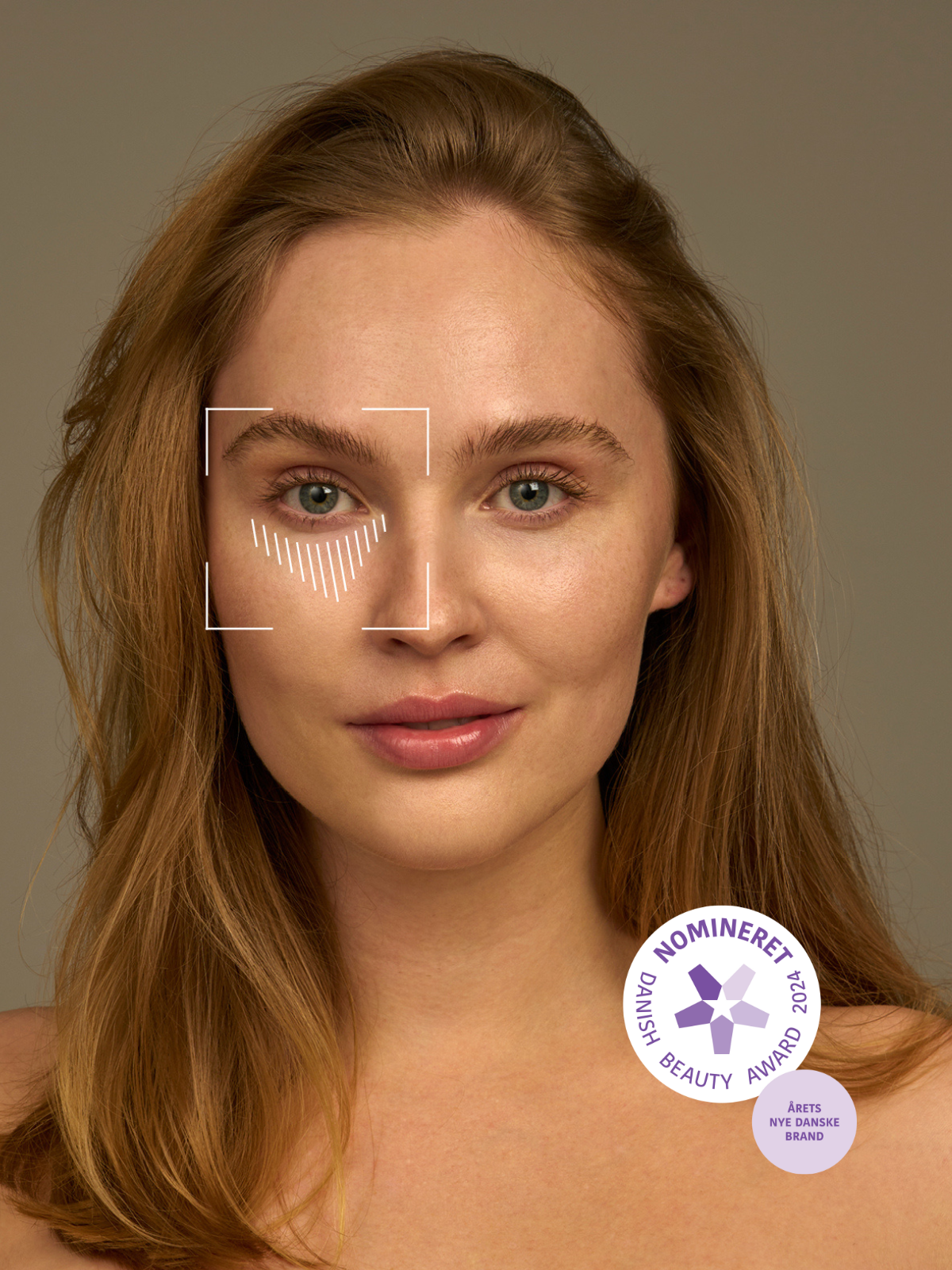
Acne skincare
Skincare for acne focuses on reducing oil production, removing dead skin cells, and fighting bacteria. A consistent and gentle routine can help keep skin clean and reduce breakouts.
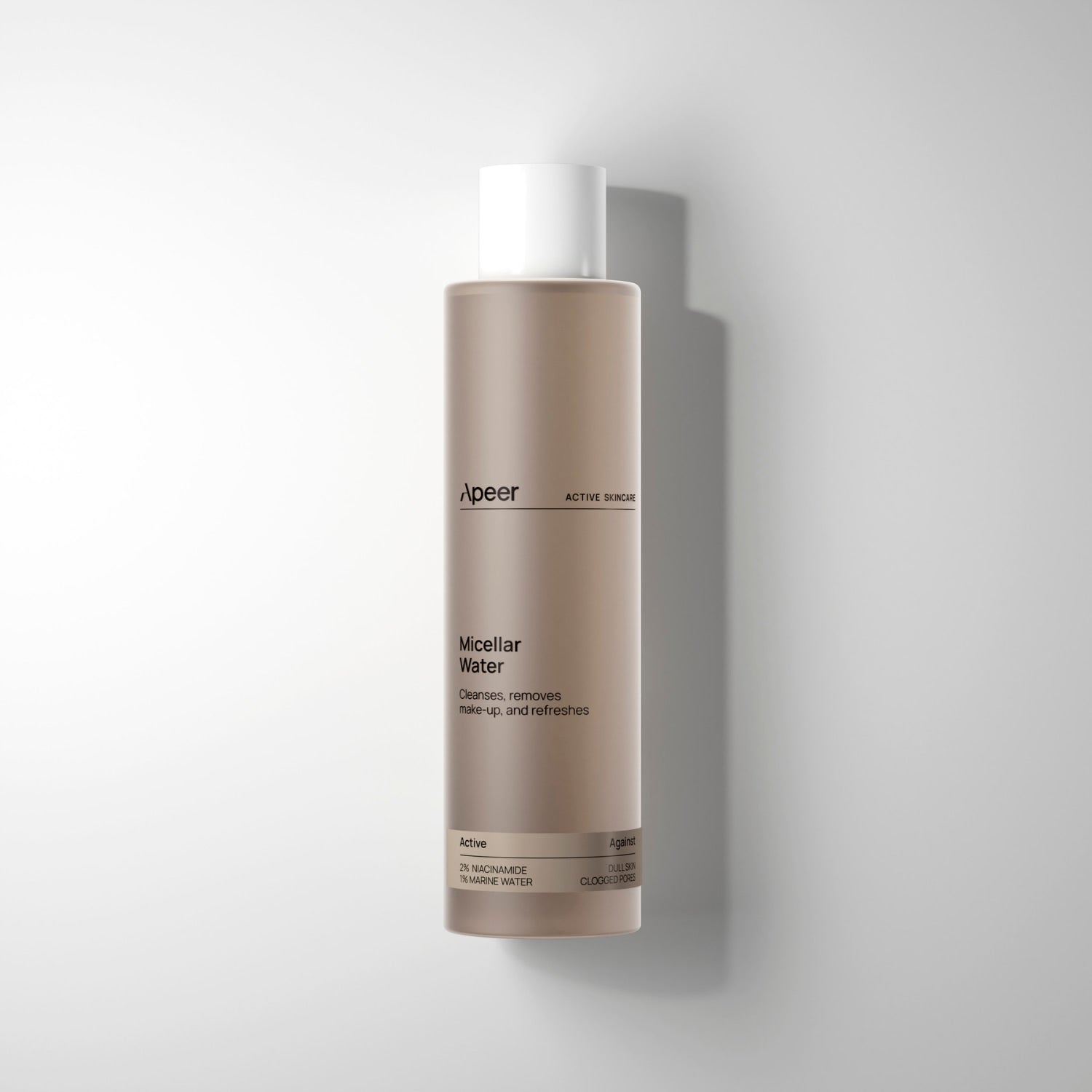
Cleanse: Start the day with a mild cleansing gel that removes excess oil and dirt without irritating the skin. Try our Micellar Water, which effectively cleanses the skin and leaves it feeling fresh.
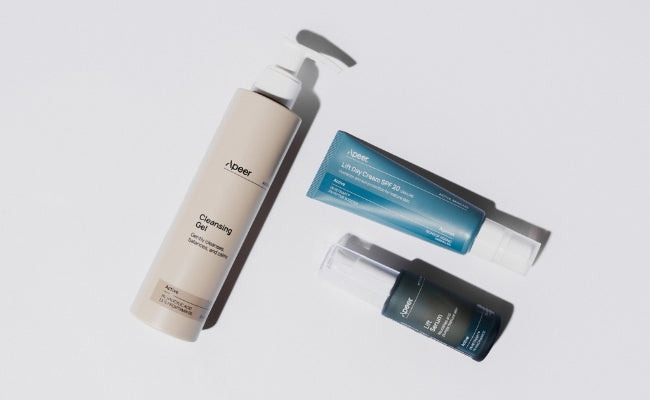
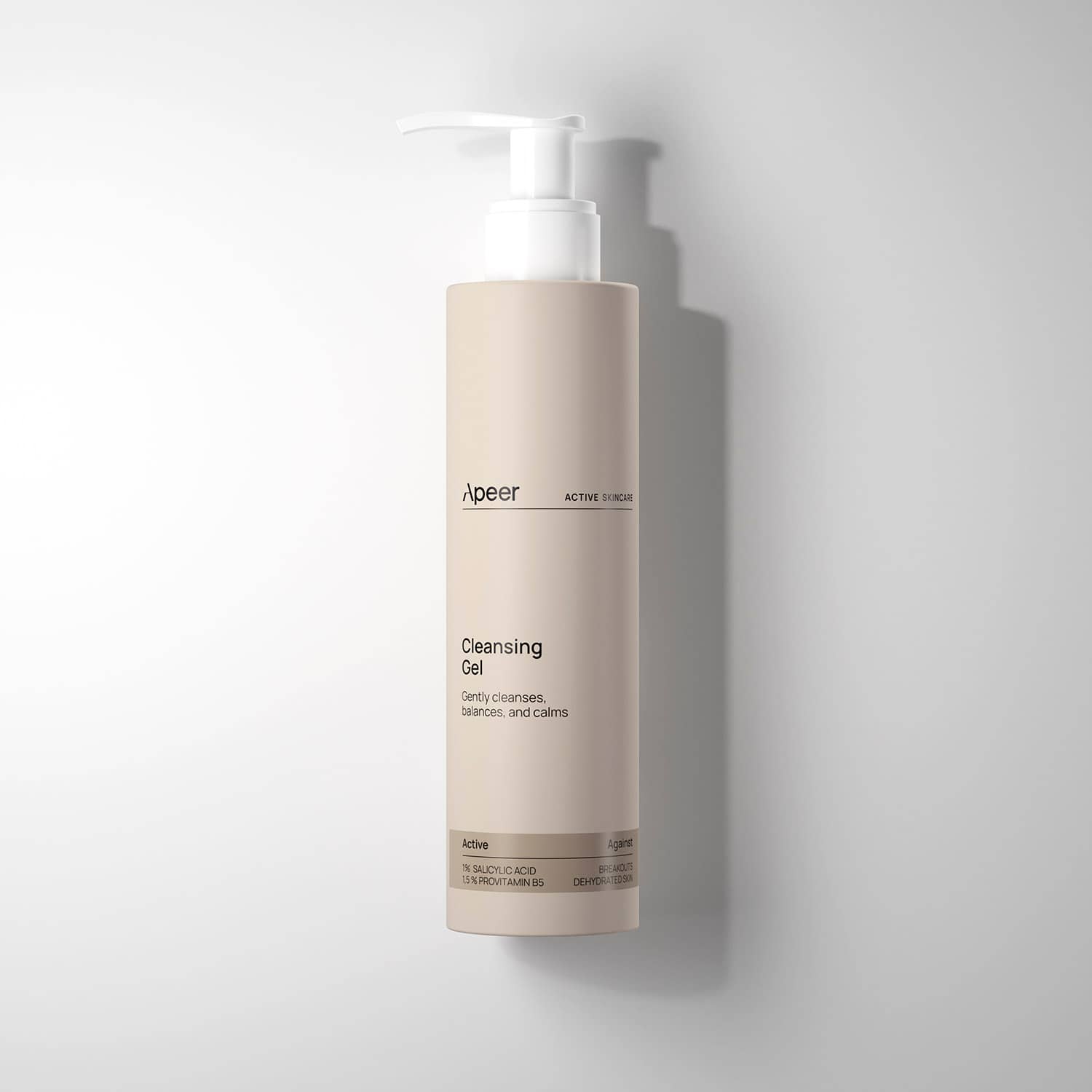
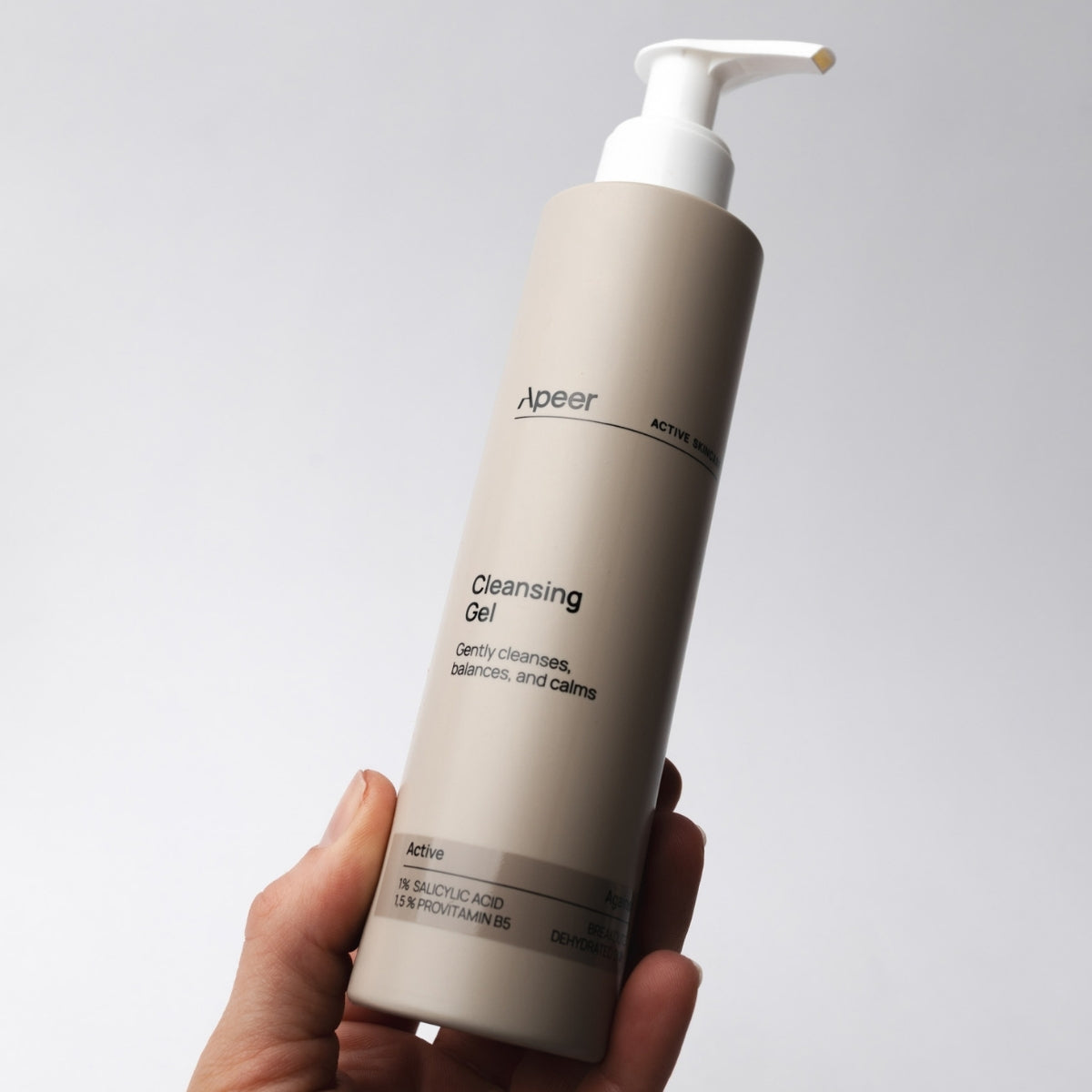
Treat: Use products containing salicylic acid to treat active breakouts and prevent new ones. Therefore, use our Cleansing Gel, which is a good choice for fighting pimples and reducing inflammation in the skin.
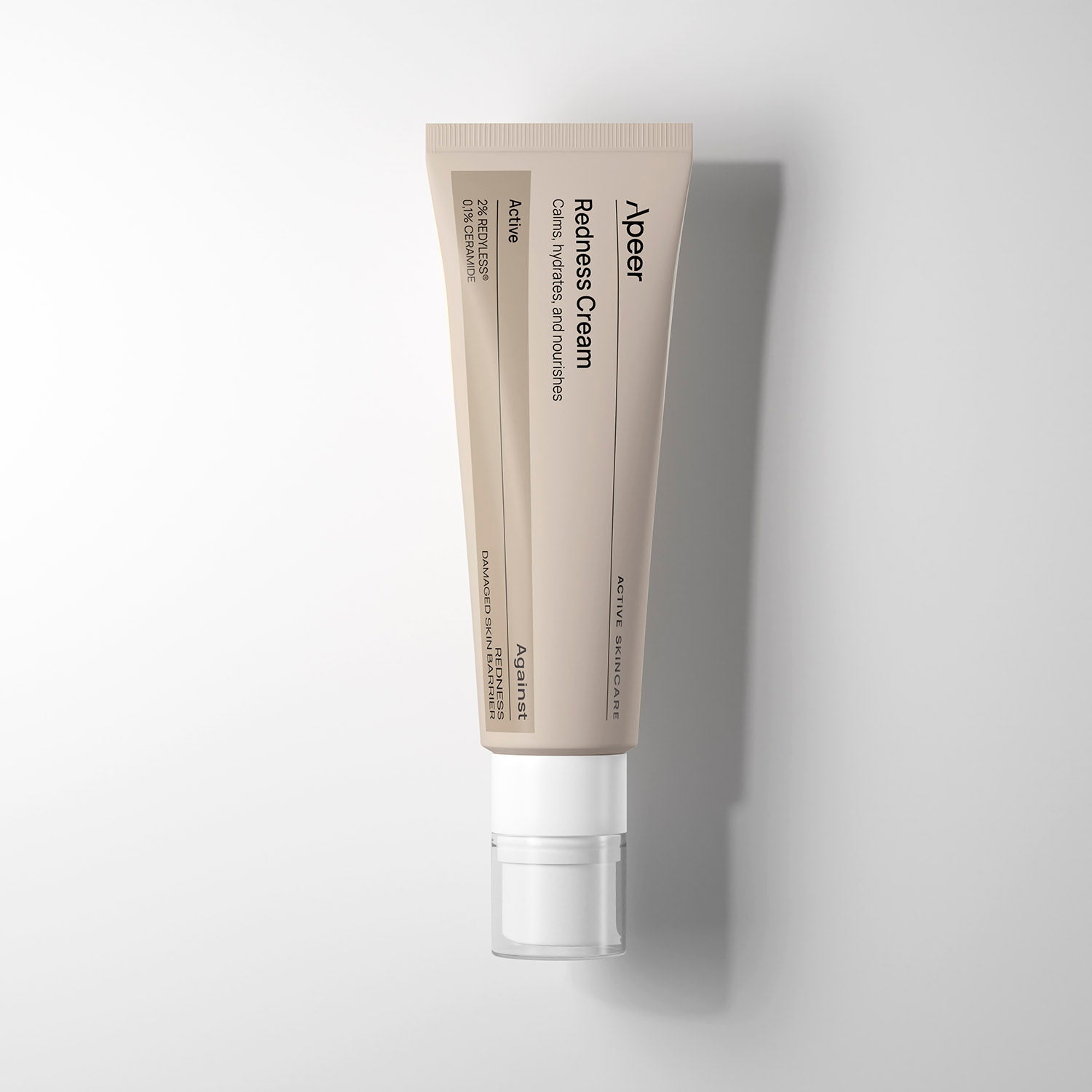
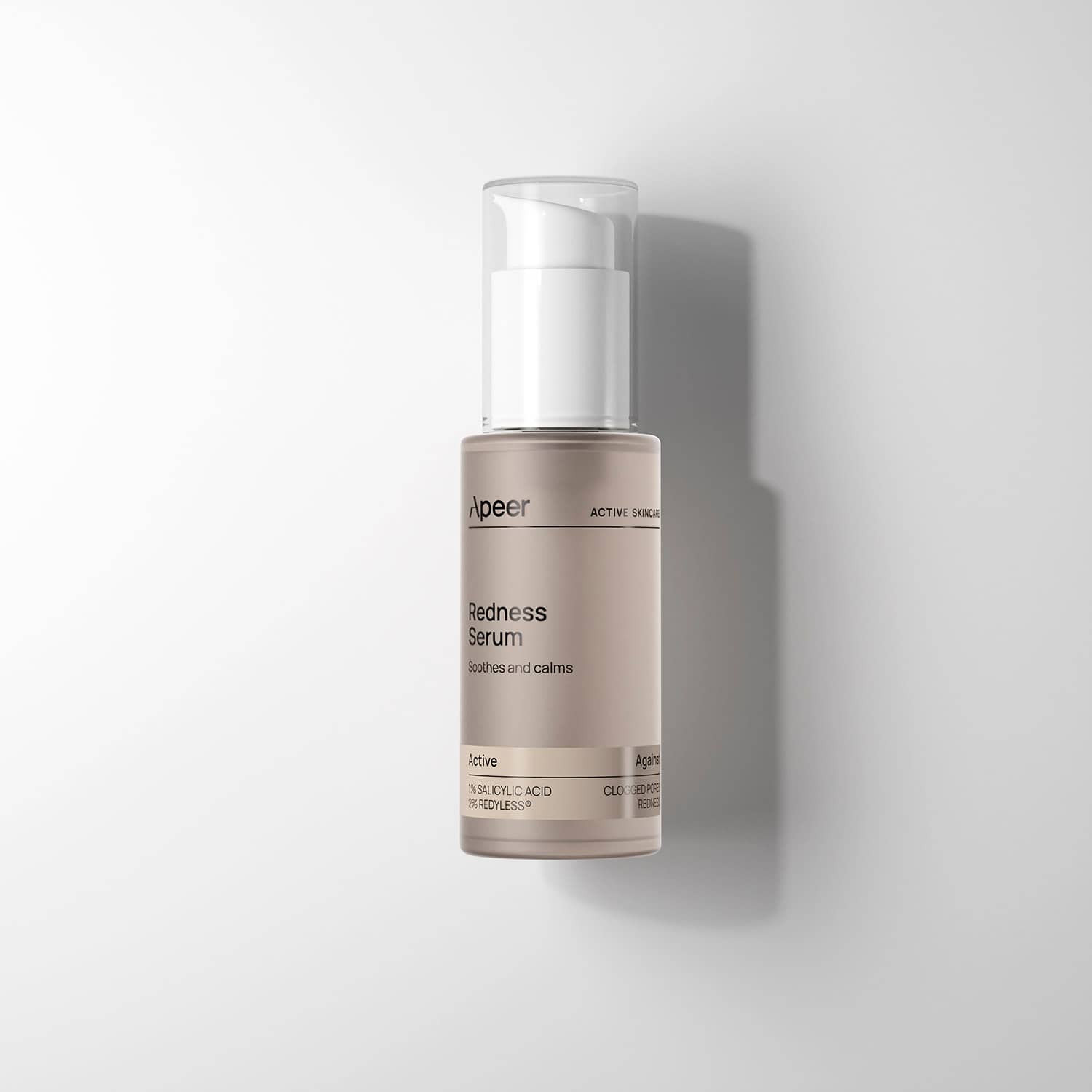
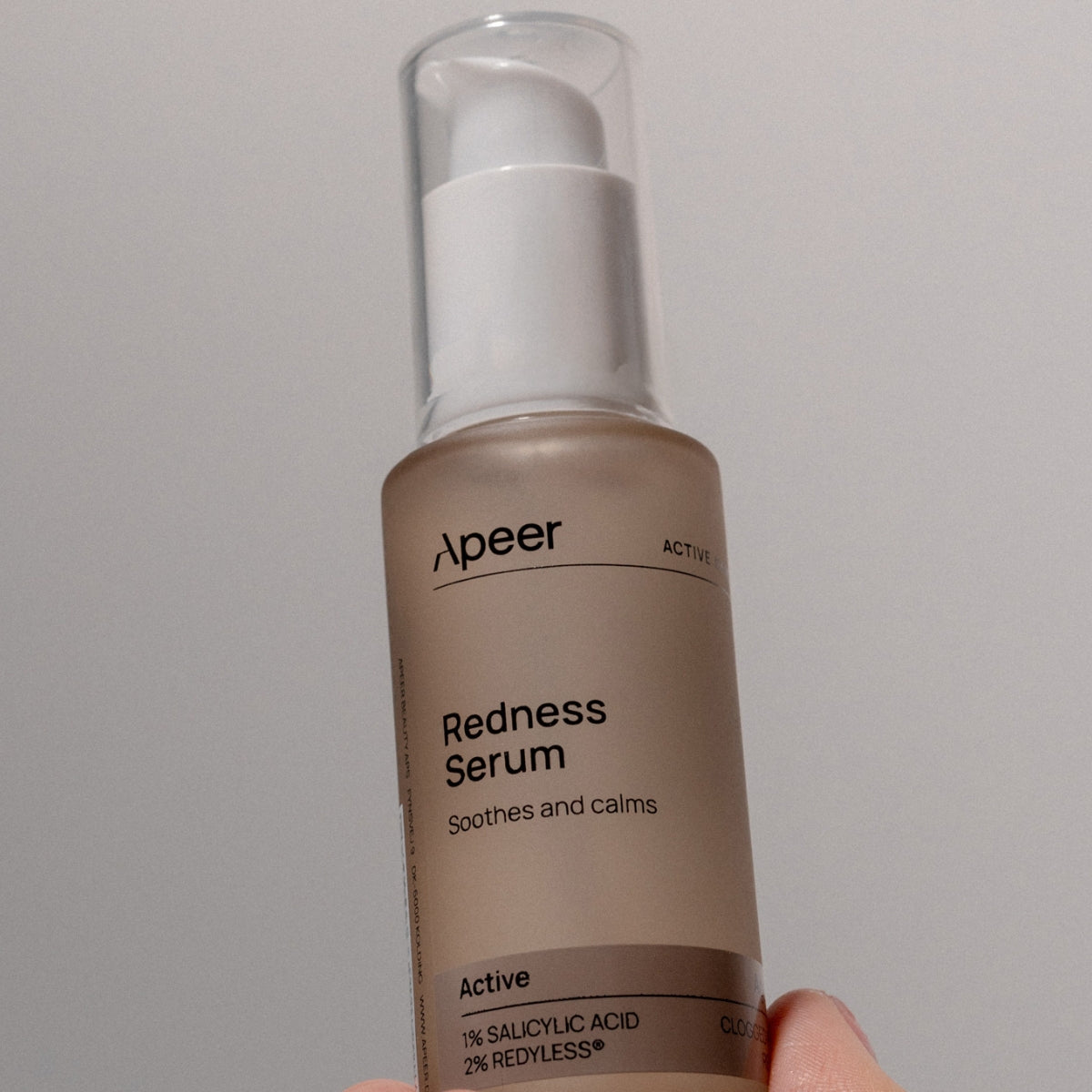
Moisturize: Although it may seem contradictory, it is important to moisturize the skin, even when you have acne. Choose a light, oil-free moisturizer like our Lift Complex Cream or, if you want to treat redness in the skin, try our Redness Cream.
Extra care: Spot Stick with azelaic acid can be a good addition to your skincare routine if you are prone to acne or suffer from rosacea. You will find that our Spot Stick has a calming effect on your skin, while also regenerating the skin.
By following these steps, you can better control your acne and achieve healthier skin. Remember to consult a dermatologist for severe acne breakouts or if you need personal advice.

Recognize skin challenges
Dehydrated skin
Dehydrated skin is a condition where the skin lacks water. This can result in a tight and uncomfortable feeling, as well as a dull, uneven skin tone. Dehydrated skin can occur in all skin types, even oily skin, and it is important to identify and treat this condition to achieve healthy and radiant skin. To care for dehydrated skin, it is important to understand the causes and the best methods for achieving thoroughly moisturized and hydrated skin.
Understand dehydrated skin
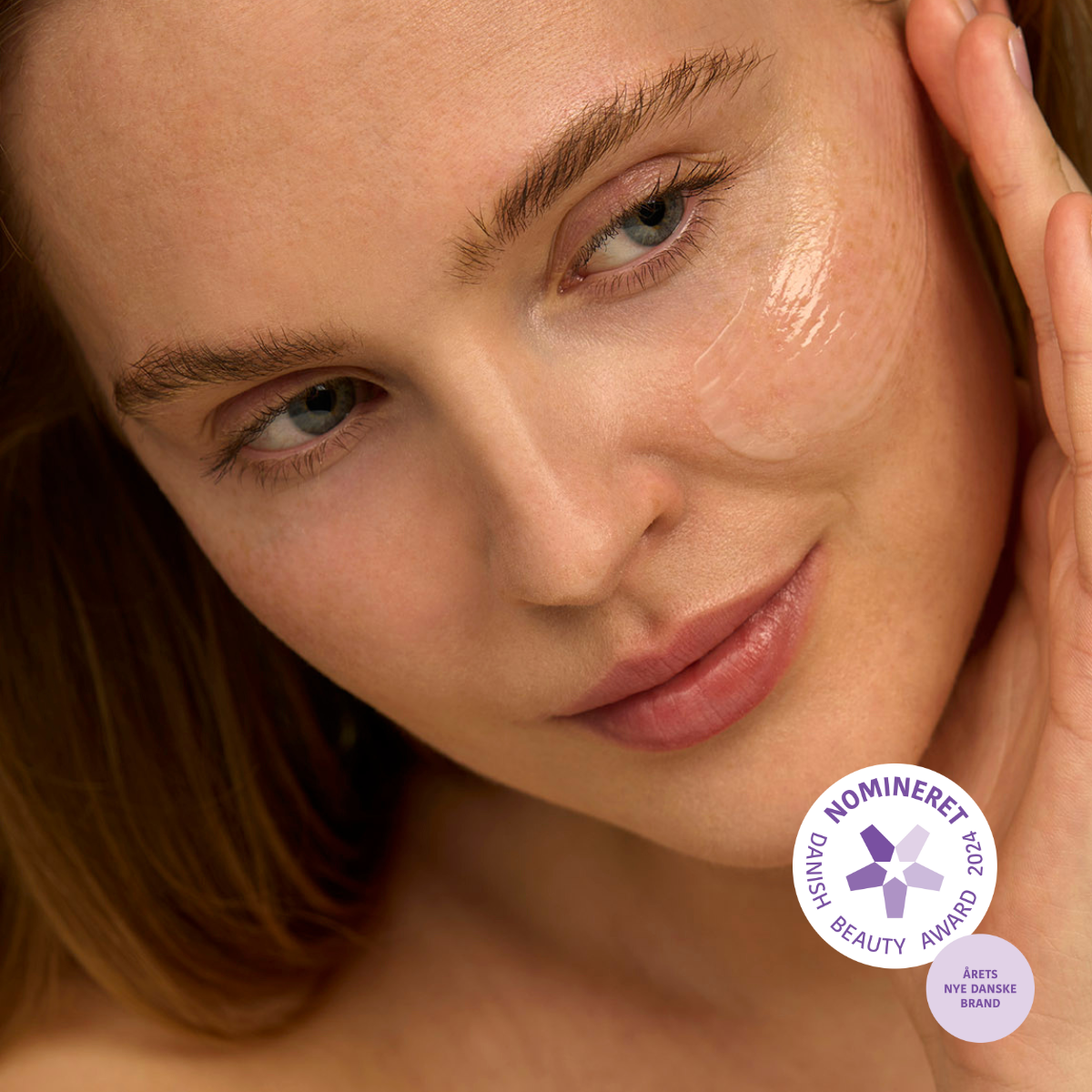
Dehydrated skin is characterised by a lack of water in the outermost layers of the skin. This condition can be caused by a number of factors, including environmental influences such as cold weather, low humidity, and sun damage. Additionally, lifestyle factors such as insufficient water intake, caffeine consumption, and the use of harsh skincare products can exacerbate dehydration. It is important to distinguish between dehydrated skin and dry skin; while dry skin lacks oil, dehydrated skin lacks water.
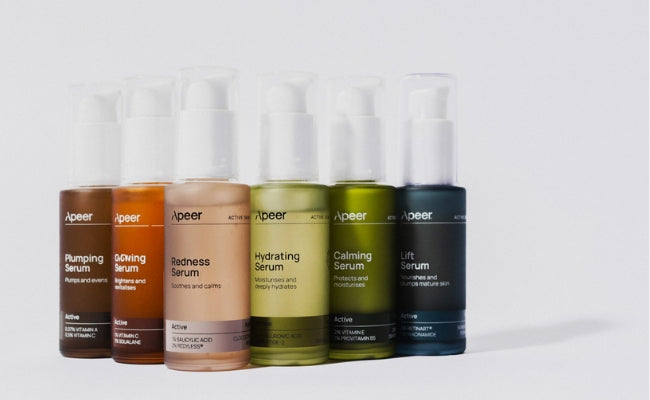
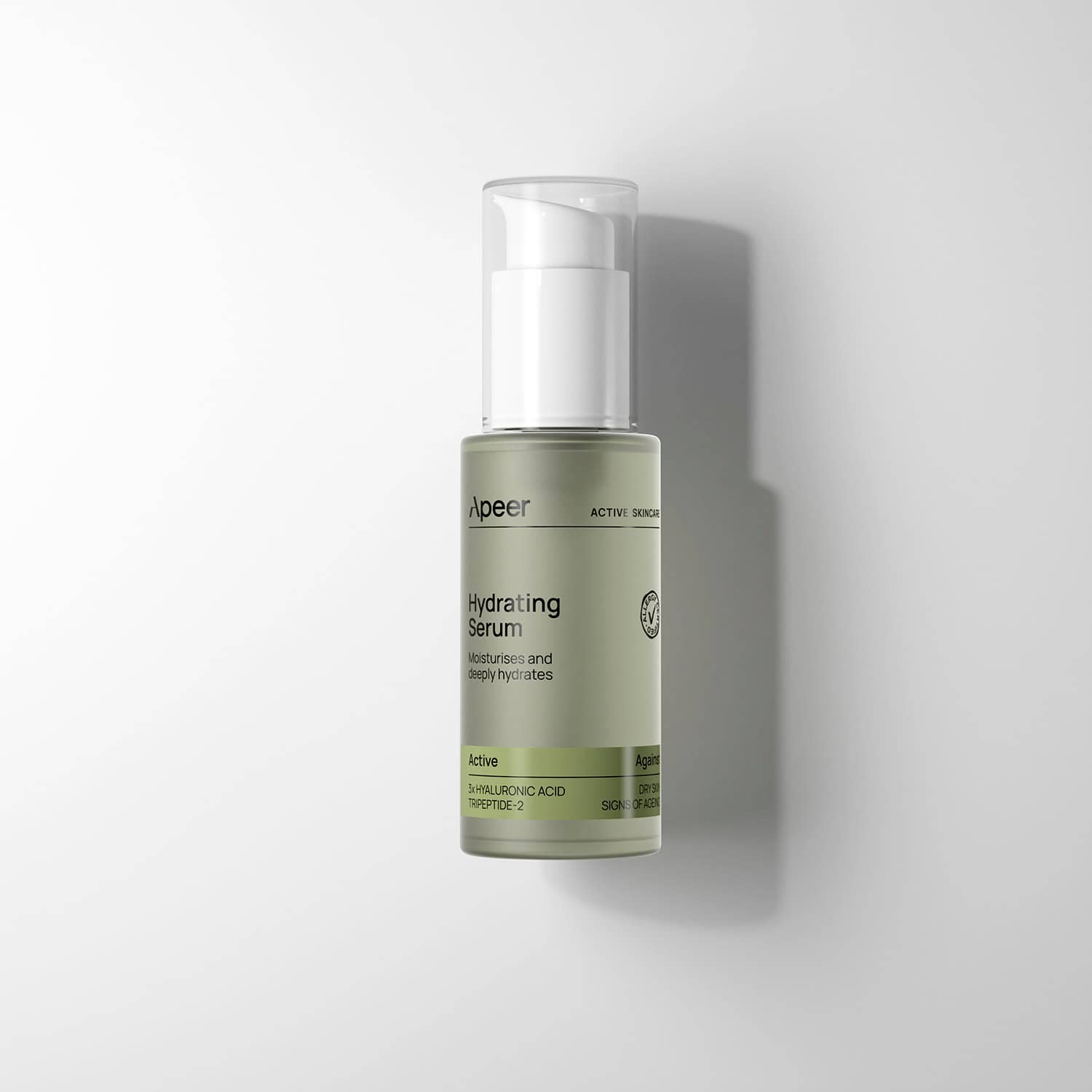
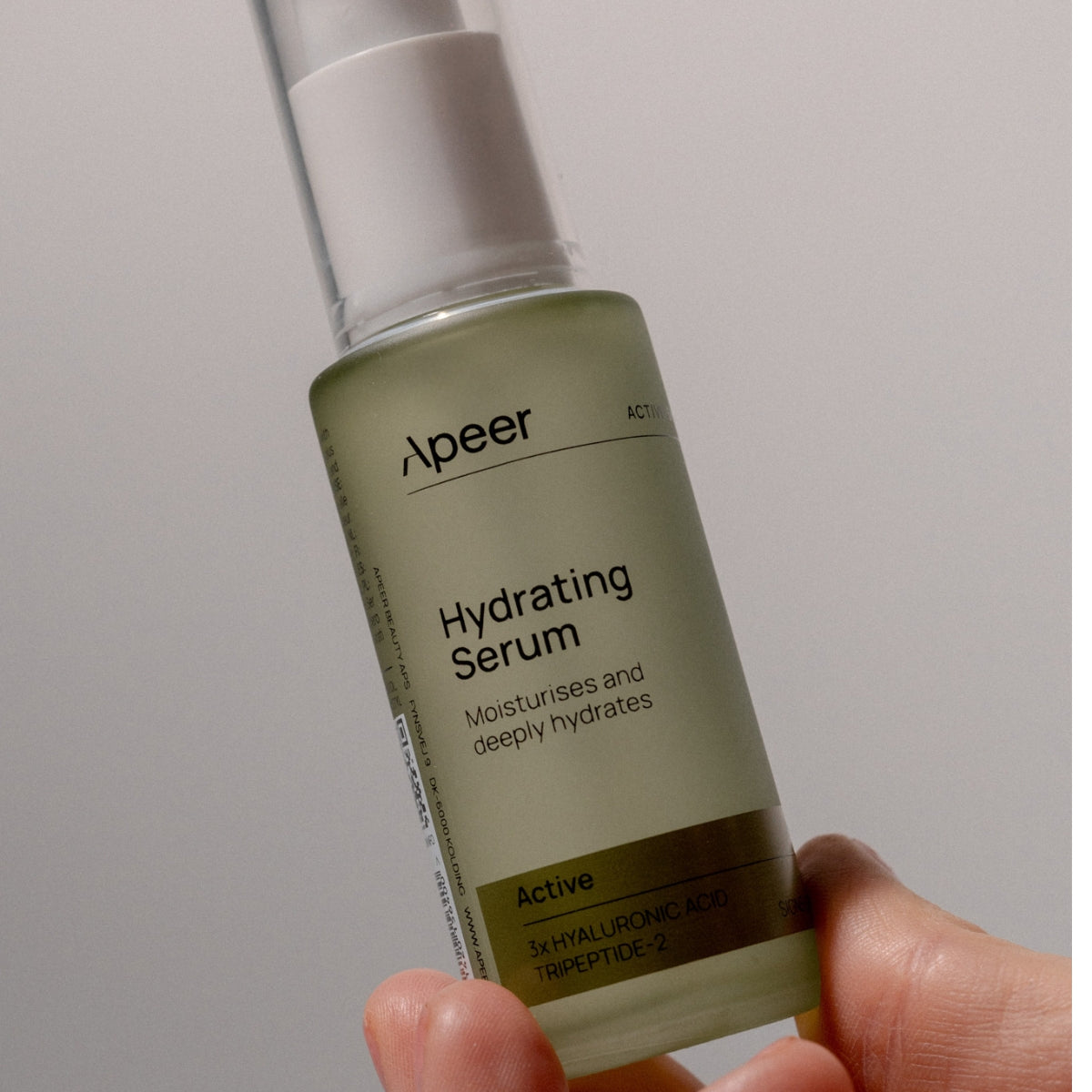
If your skin lacks water, we recommend our Hydrating Serum with three different molecular weights of hyaluronic acid (very low, low, and medium), which moisturizes all layers of the skin and ensures deep hydration of the skin.
Signs of dehydrated skin
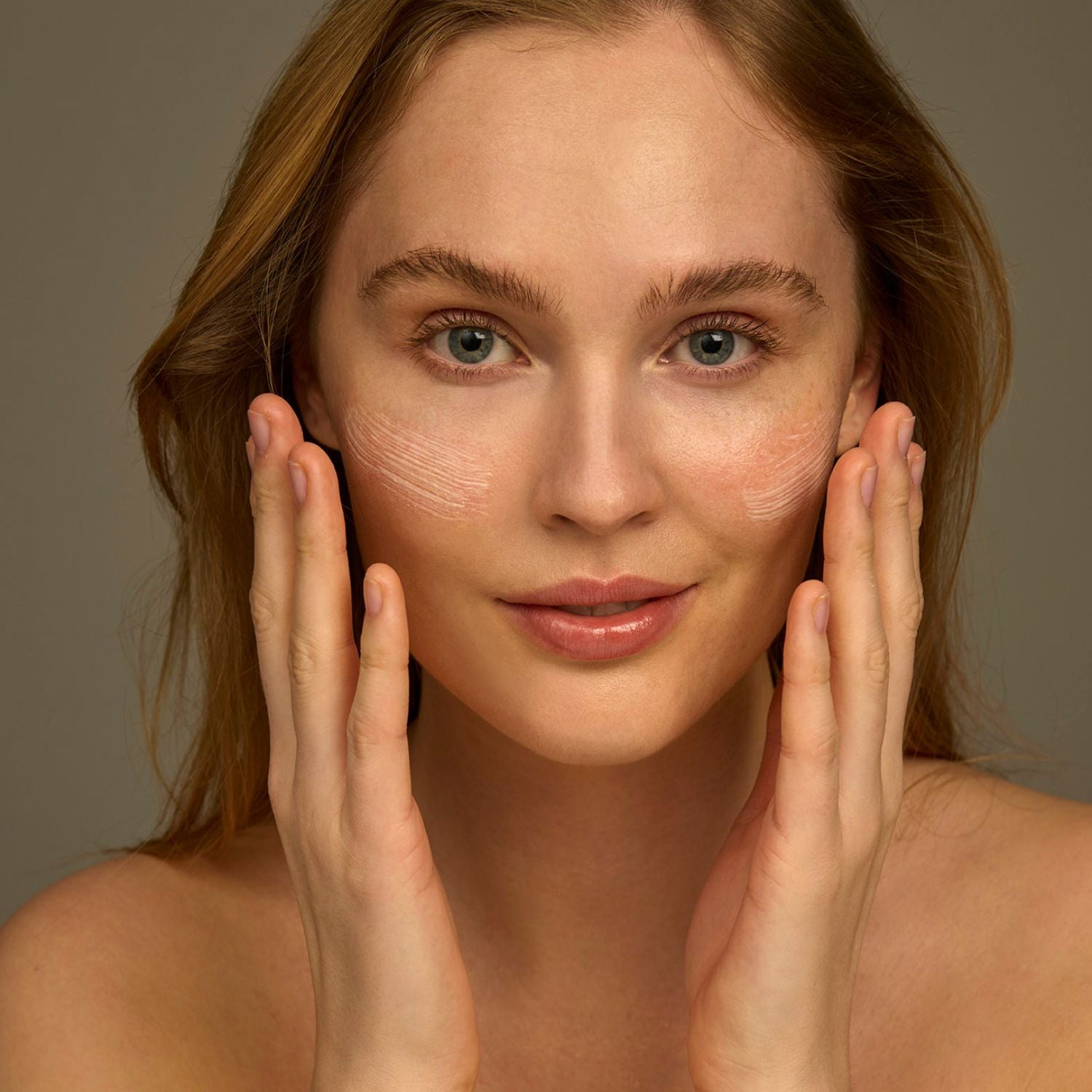
- Tight and uncomfortable feeling in the skin.
- Dull and uneven skin tone.
- Dryness - in some cases flaking.
- Greater tendency towards fine lines and wrinkles.
- Increased sensitivity and rough skin texture.
Skincare for Dehydrated Skin
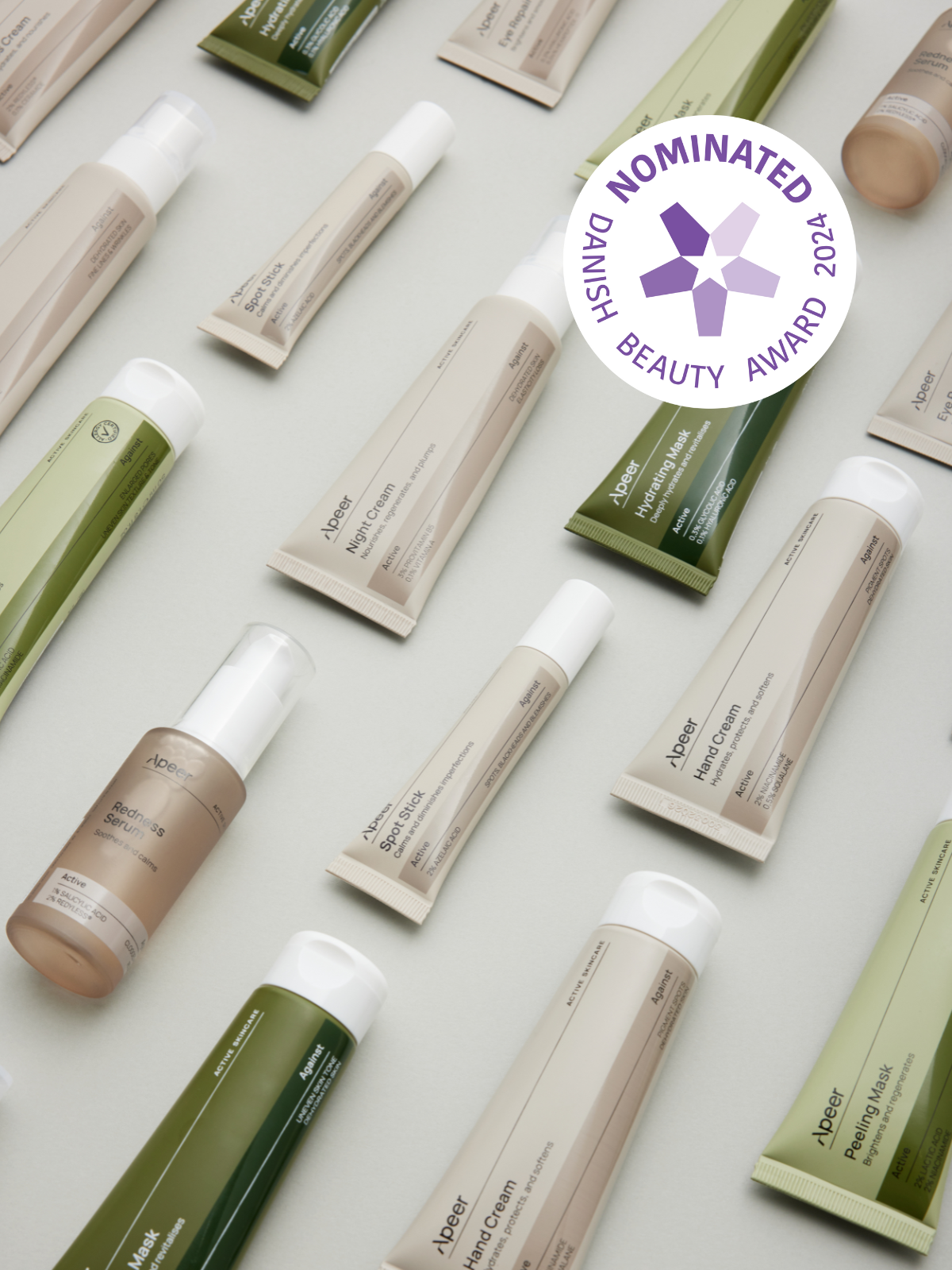
Skincare for dehydrated skin is about restoring and maintaining the skin's water balance through a consistent and gentle routine. Here are some important steps and products that can help keep dehydrated skin hydrated and healthy.
Cleanse: Use a mild, hydrating cleanser that does not strip the skin of its natural moisture and effectively cleanses the skin, leaving it soft and moisturized.
Moisturize: Apply a serum or moisturizer rich in hyaluronic acid or glycerin, which helps attract and bind water in the skin. Hydrating Serum offers deep hydration and a light consistency that is quickly absorbed.
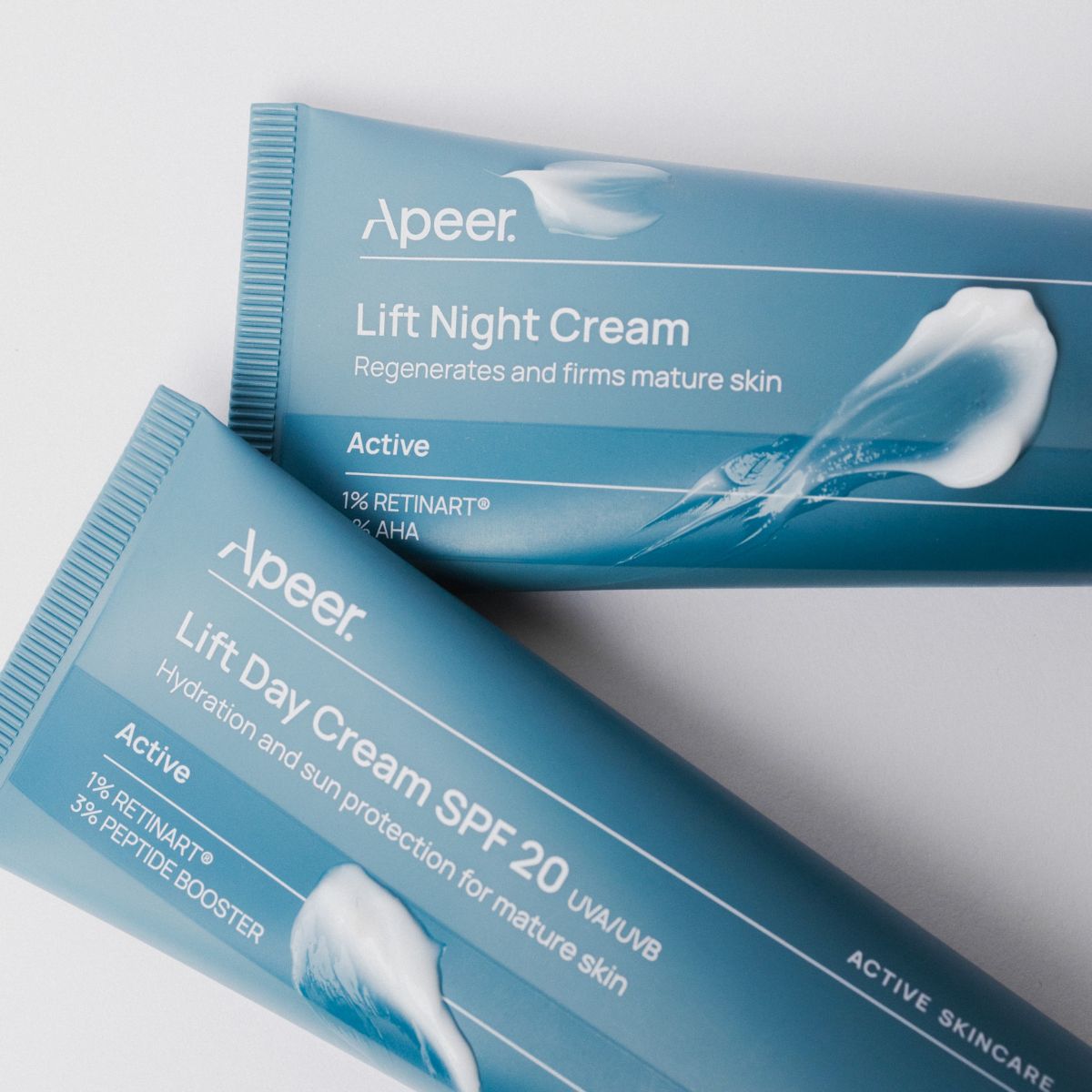
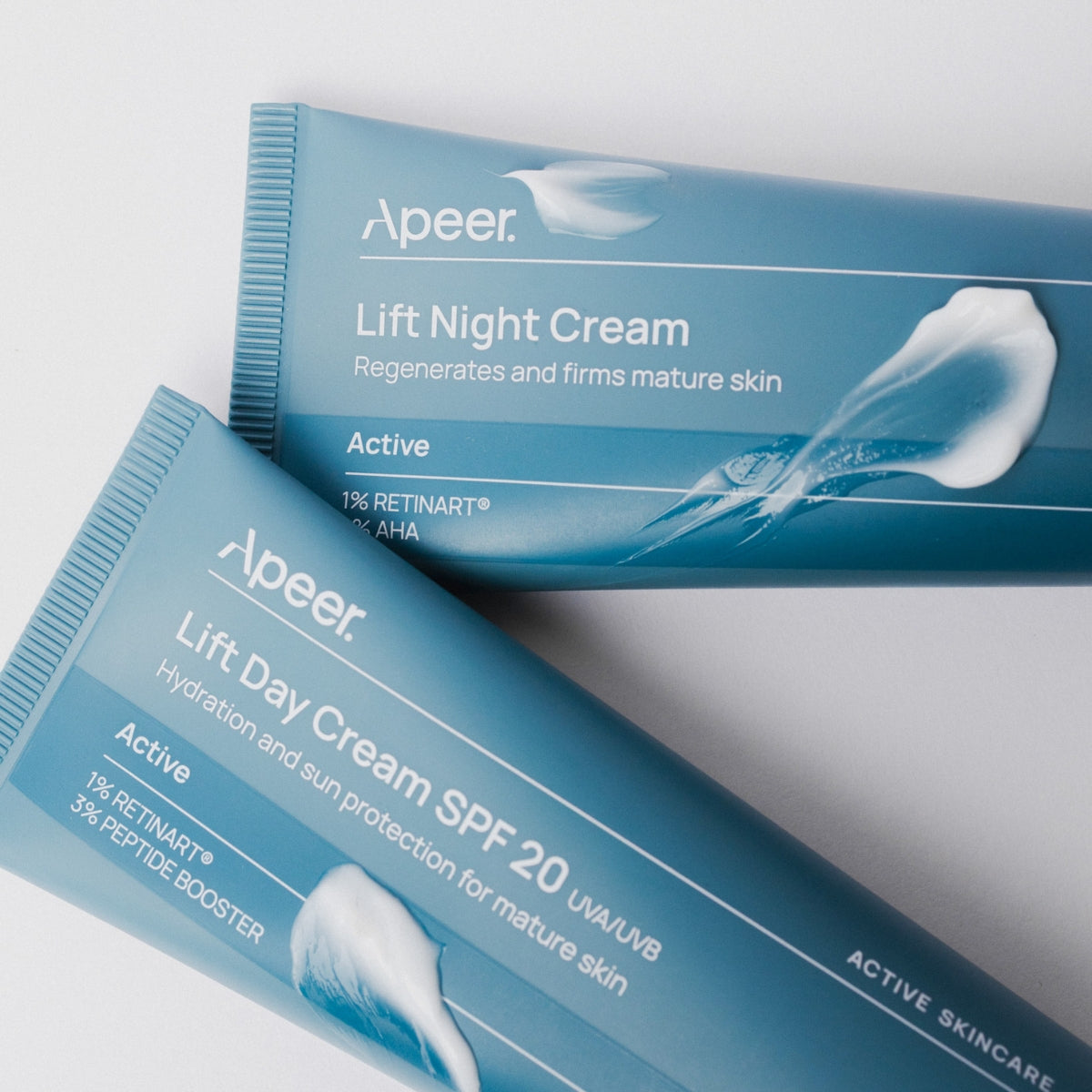
Protect: Use a day cream with SPF to protect the skin from harmful UV rays, which can worsen dehydration. Lift Day Cream with SPF 20 provides both moisture and sun protection.
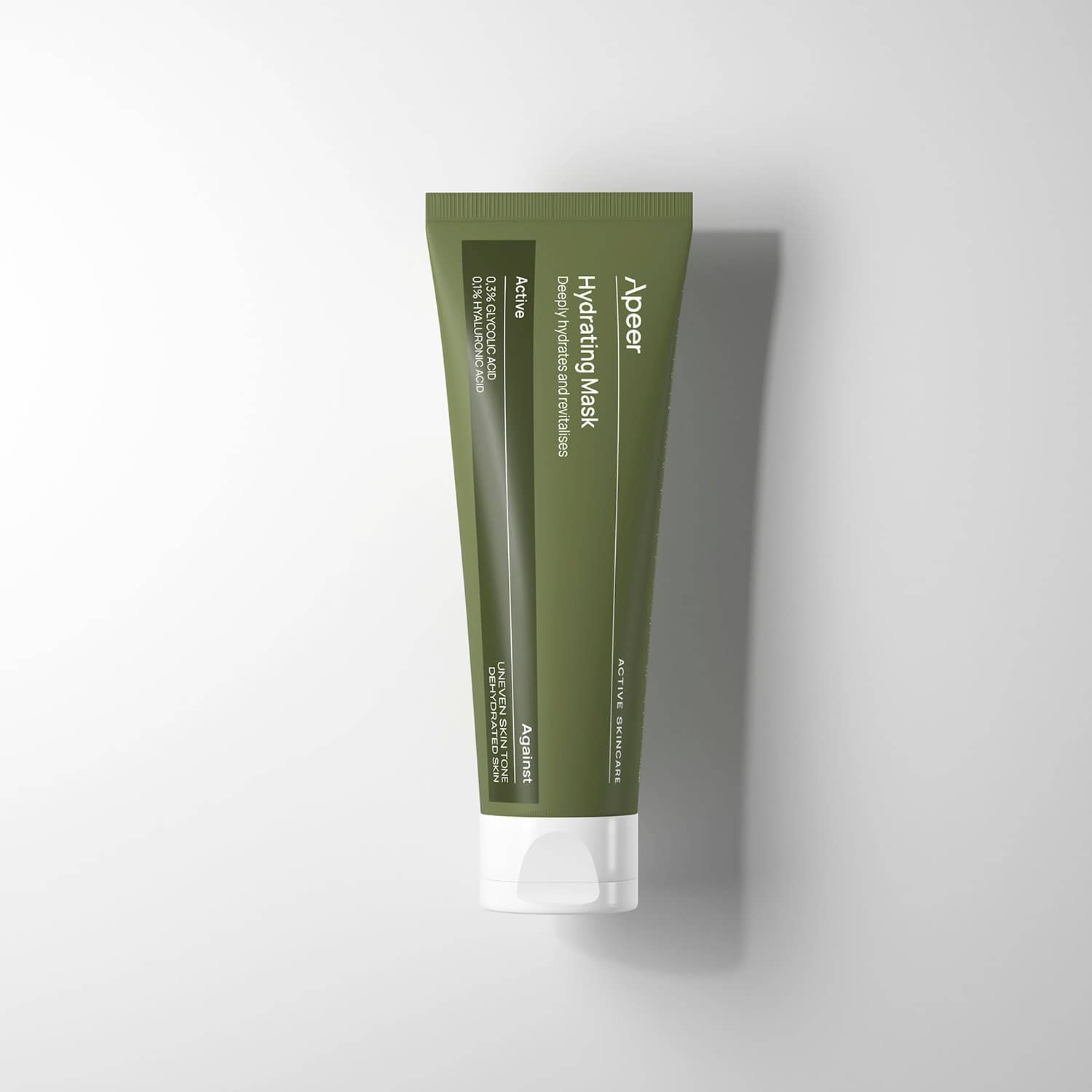
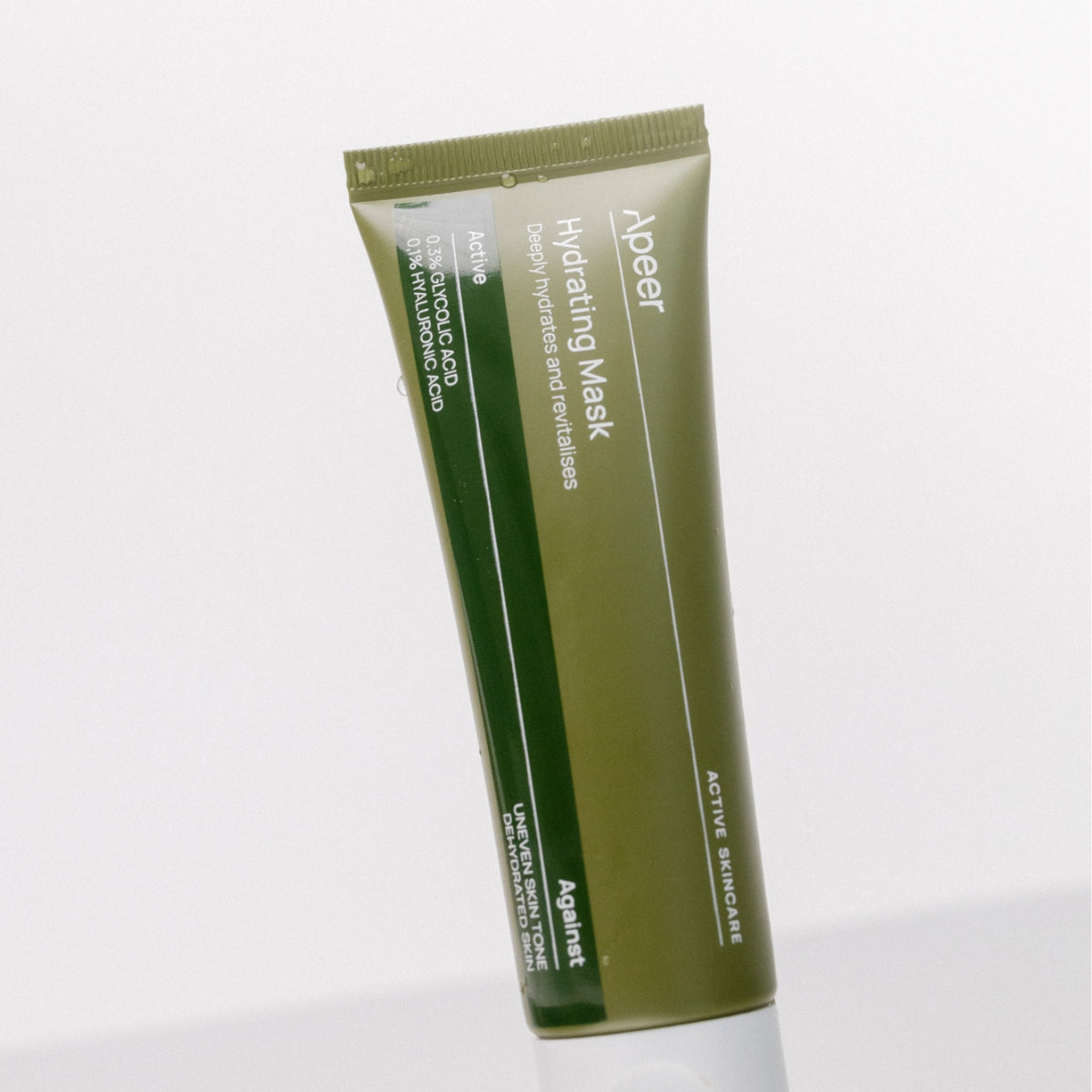
Extra care: A weekly hydrating mask can provide extra moisture and soothe dehydrated skin. Hydrating Mask provides an intense moisture boost and leaves the skin soft and supple.
By following these steps, dehydrated skin can regain its balance and vitality. Always remember to choose products formulated to treat dehydrated skin and be consistent with your routine for the best results.
recognize skin challenges
Hyperpigmented skin
Hyperpigmented skin is a condition where certain areas of the skin become darker than the surrounding skin due to excessive melanin production. This can be caused by several factors such as sun damage, hormonal changes, acne scars, or aging. Hyperpigmentation can be a cosmetic concern for many, but with the right skincare routine, its visibility can be reduced, and a more even skin tone can be achieved.
Understand Hyperpigmented Skin
Hyperpigmentation occurs when the skin produces too much melanin, resulting in dark spots or areas on the skin. This can be caused by UV exposure, which stimulates melanocytes to produce more melanin as a protective mechanism of the skin. Hormonal changes, especially during pregnancy or when using birth control pills, can also lead to the type of hyperpigmentation known as melasma. Skin damage such as acne or eczema can also result in post-inflammatory hyperpigmentation. Therefore, as you can read, there are several different reasons why the skin becomes pigmented.
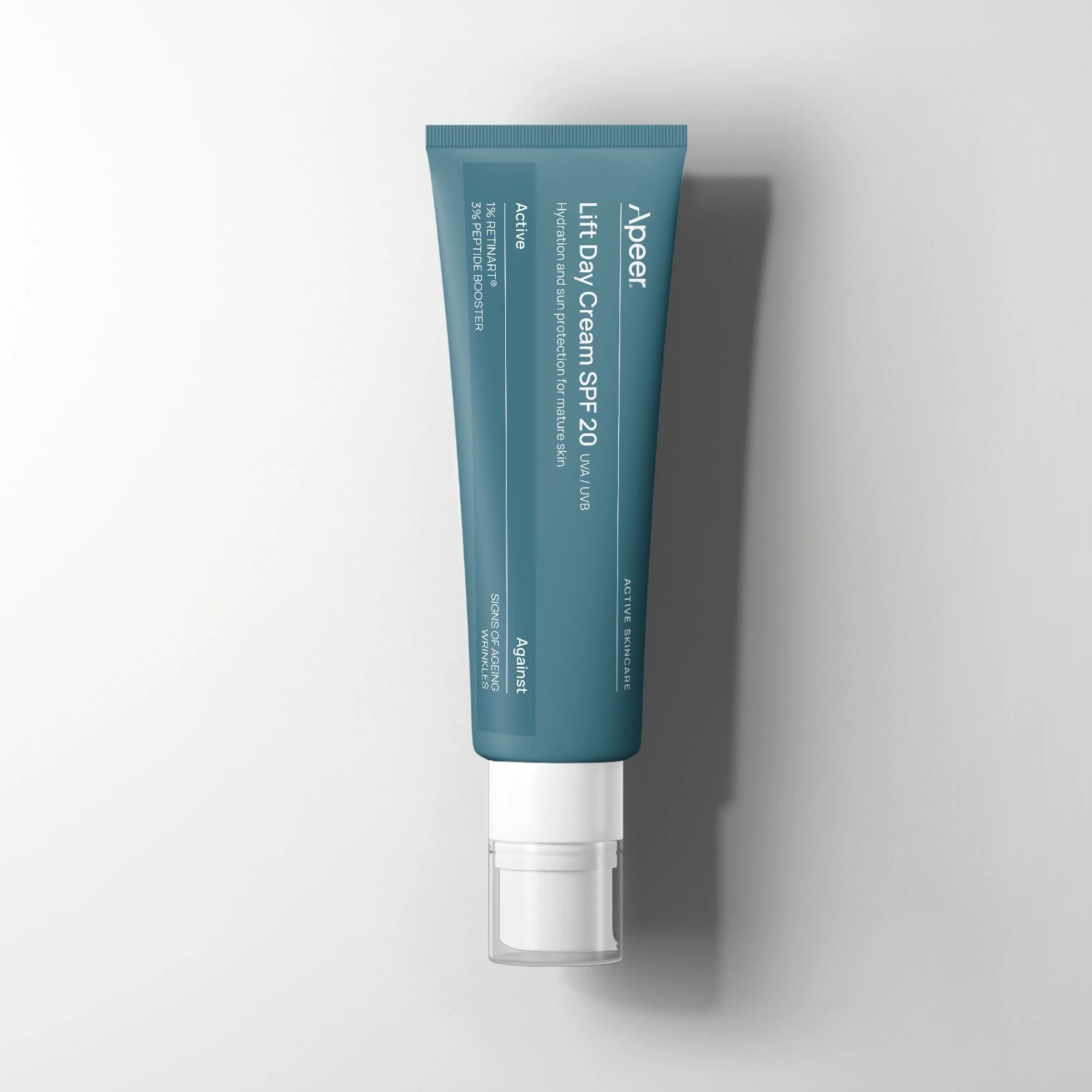
It is important to understand the underlying causes of hyperpigmentation in order to provide the skin with the right care and treatment. Always protect your skin from the sun to avoid worsening your pigmentation. Lift Day Cream with SPF 20 is your combo facial cream that both provides the skin with the moisture it needs, while also protecting the skin from the sun's rays.
Signs of hyperpigmentation
- Dark spots or areas on the skin.
- Uneven skin tone.
- Sunspots or age spots.
- Melasma (dark, symmetrical patches).
- Post-inflammatory hyperpigmentation (marks left after skin damage).
Skincare for Hyperpigmented Skin
Skincare for hyperpigmented skin is about reducing melanin production, protecting the skin from UV damage, and promoting cell renewal. A consistent and targeted skincare routine can help lighten dark spots and achieve a more even skin tone.
Cleanse: Use a mild cleanser that removes dirt and makeup without irritating the skin. We recommend our Micellar Water with niacinamide, which cleanses gently and prepares the skin for the next steps in the routine.
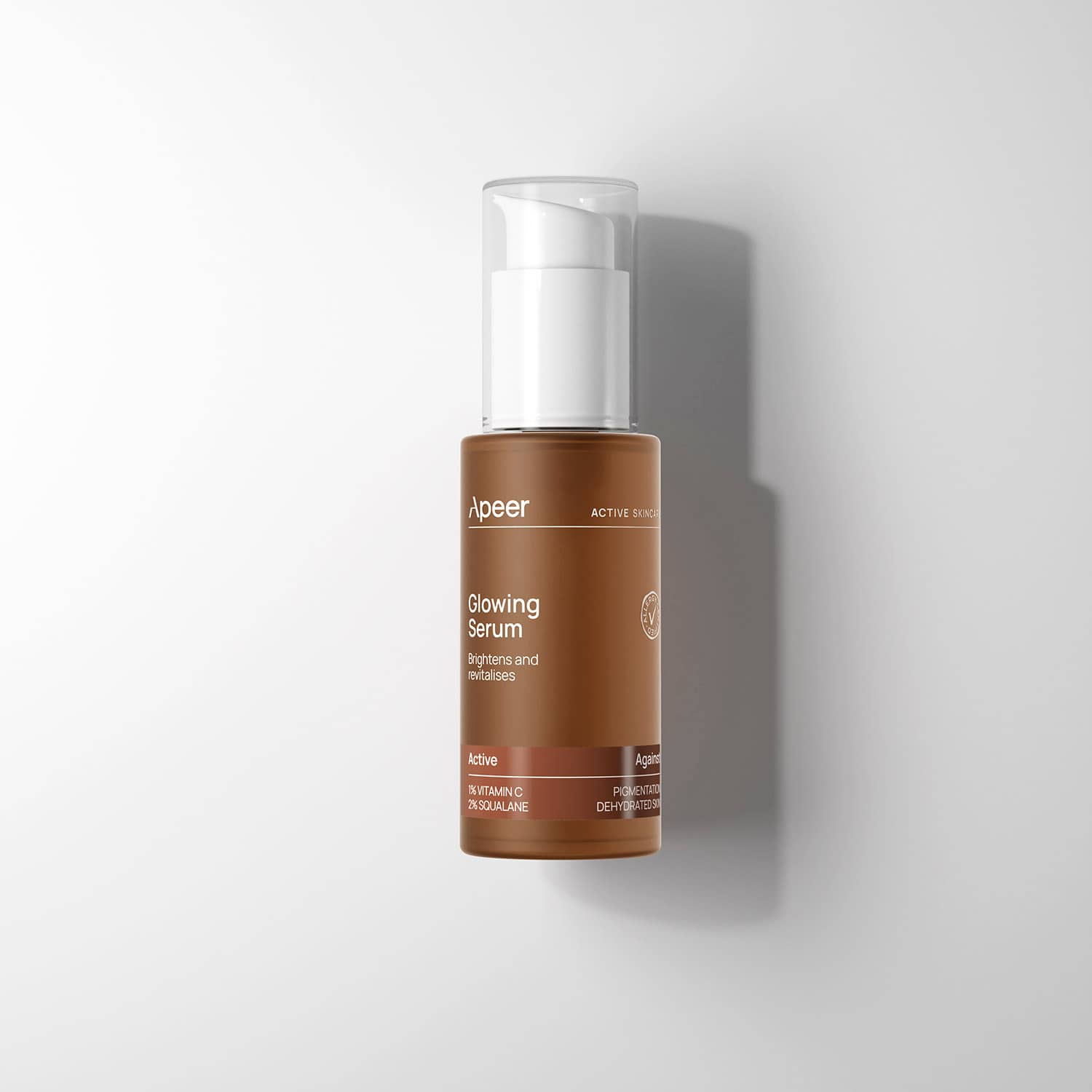
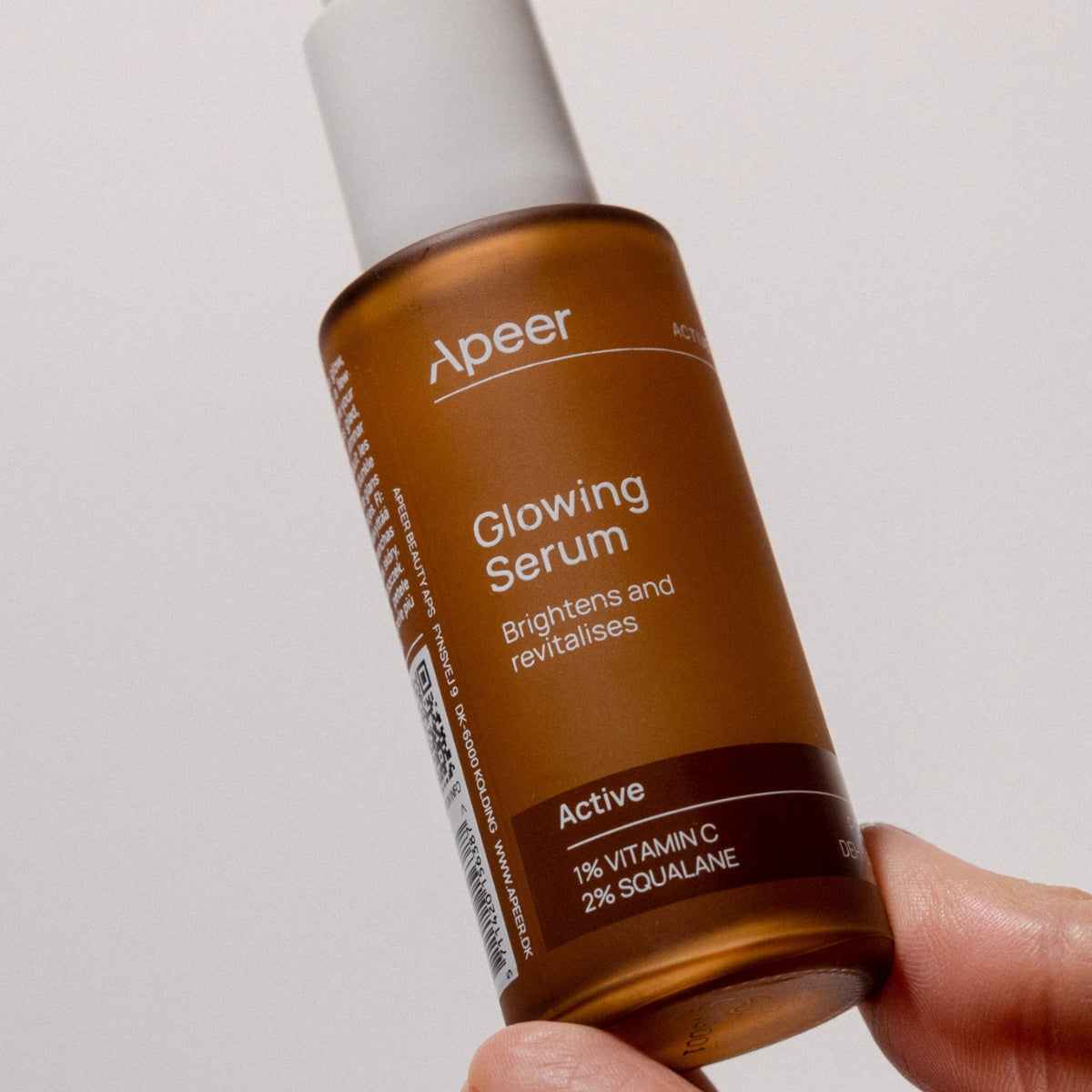
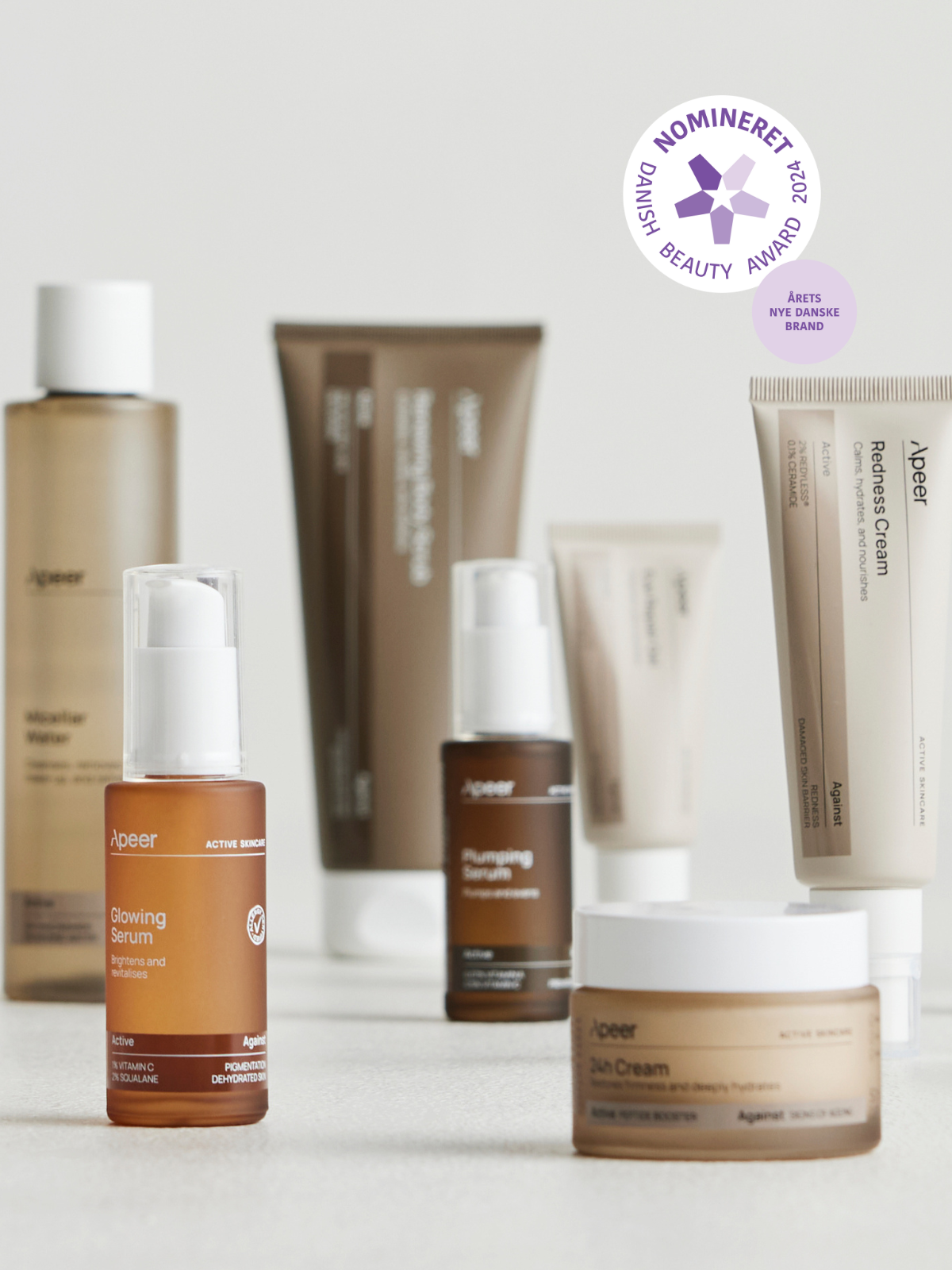
Care: Use a serum with active ingredients like vitamin C or niacinamide, which help lighten dark spots. Our Glowing Serum is a good choice for targeting hyperpigmentation.
Protection and moisture: Daily use a broad-spectrum sunscreen with SPF to protect the skin from further UV damage, which can worsen hyperpigmentation.
Always remember to use products formulated to treat hyperpigmentation, and be consistent with your routine to achieve the best results.

recognize skin challenges
Dull skin
Dull skin is a condition where the skin lacks radiance and appears tired and lifeless. This can be due to several factors, including dryness, poor blood circulation, accumulation of dead skin cells, and insufficient hydration. Dull skin can affect all skin types and requires a targeted skincare routine to restore its natural glow and vitality.
Understand dull skin
Dull skin occurs when the skin lacks moisture and does not reflect light properly. This can be due to external factors such as cold weather, pollution, and UV damage, as well as internal factors like poor diet, stress, and insufficient sleep. When the skin is not regularly exfoliated, dead skin cells can accumulate on the surface and clog pores, further contributing to a dull appearance. To understand and treat dull skin, it is important to focus on moisturizing, exfoliating, and brightening skincare products.
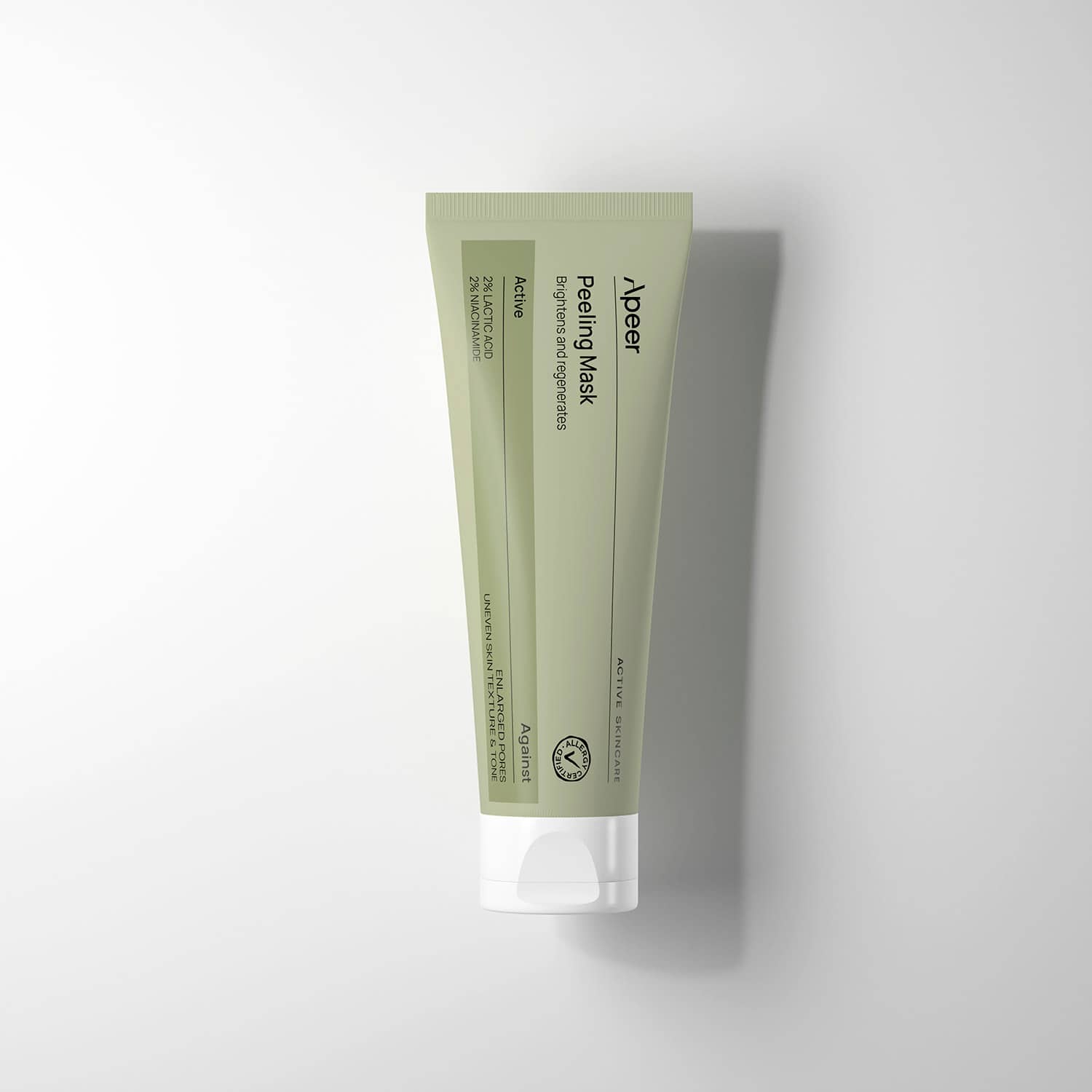
For dull skin, we especially recommend our Peeling Mask with lactic acid and niacinamide, which helps with rough, clogged pores and evens out skin tone.
Signs of dull skin
- Dull and lifeless skin tone.
- Rough and uneven skin texture.
- Lack of radiance and vitality.
- Dryness and flaky skin.
Skincare for Dull Skin
Skincare for dull skin is about revitalizing the skin's natural glow by moisturizing, exfoliating, and protecting the skin. A consistent and targeted routine can help bring life and radiance back to the skin.
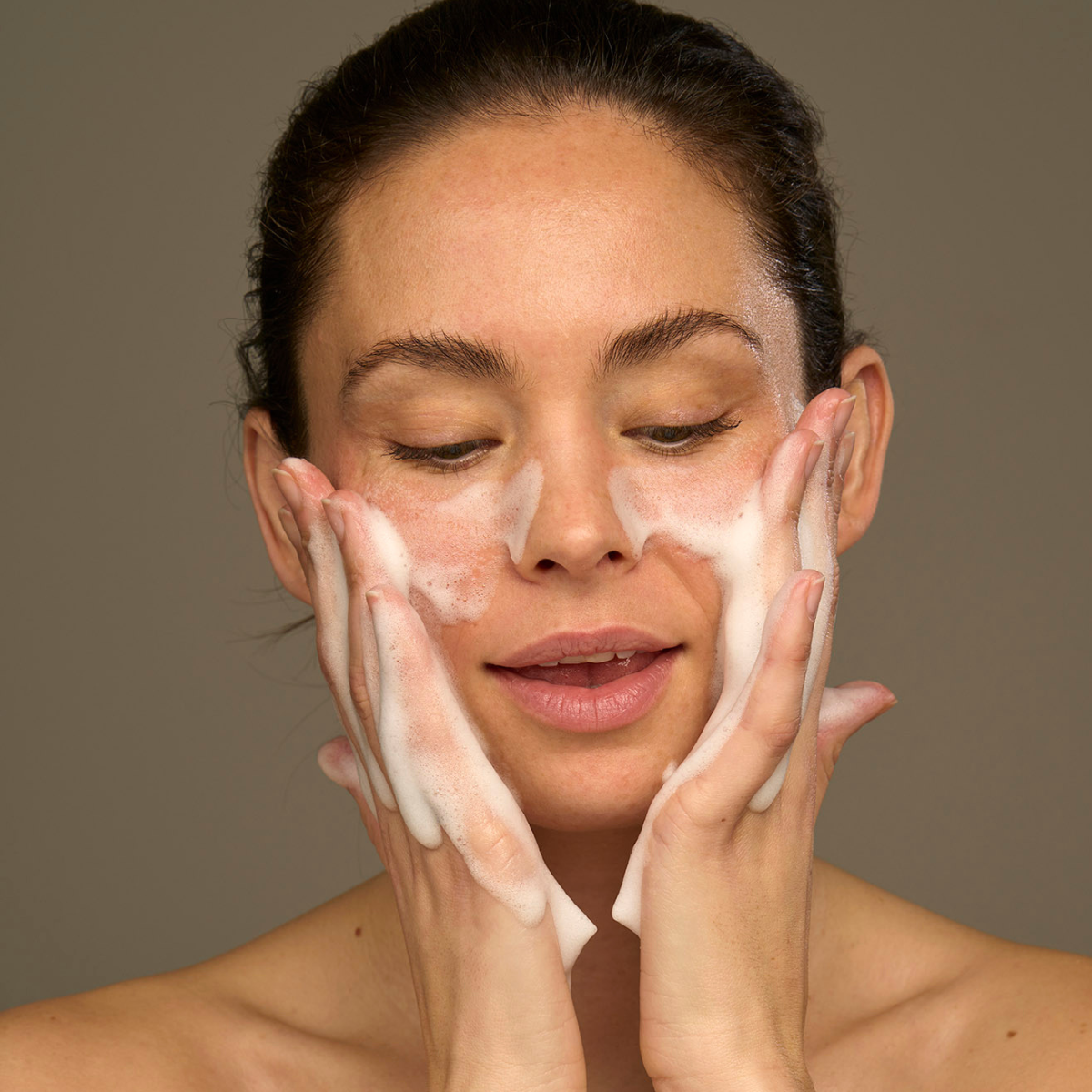
Cleanse: Start the day with a cleanser that removes dirt and dead skin cells without drying out the skin. We recommend our Cleansing Foam, which provides gentle exfoliation and leaves the skin fresh and ready for the next steps.
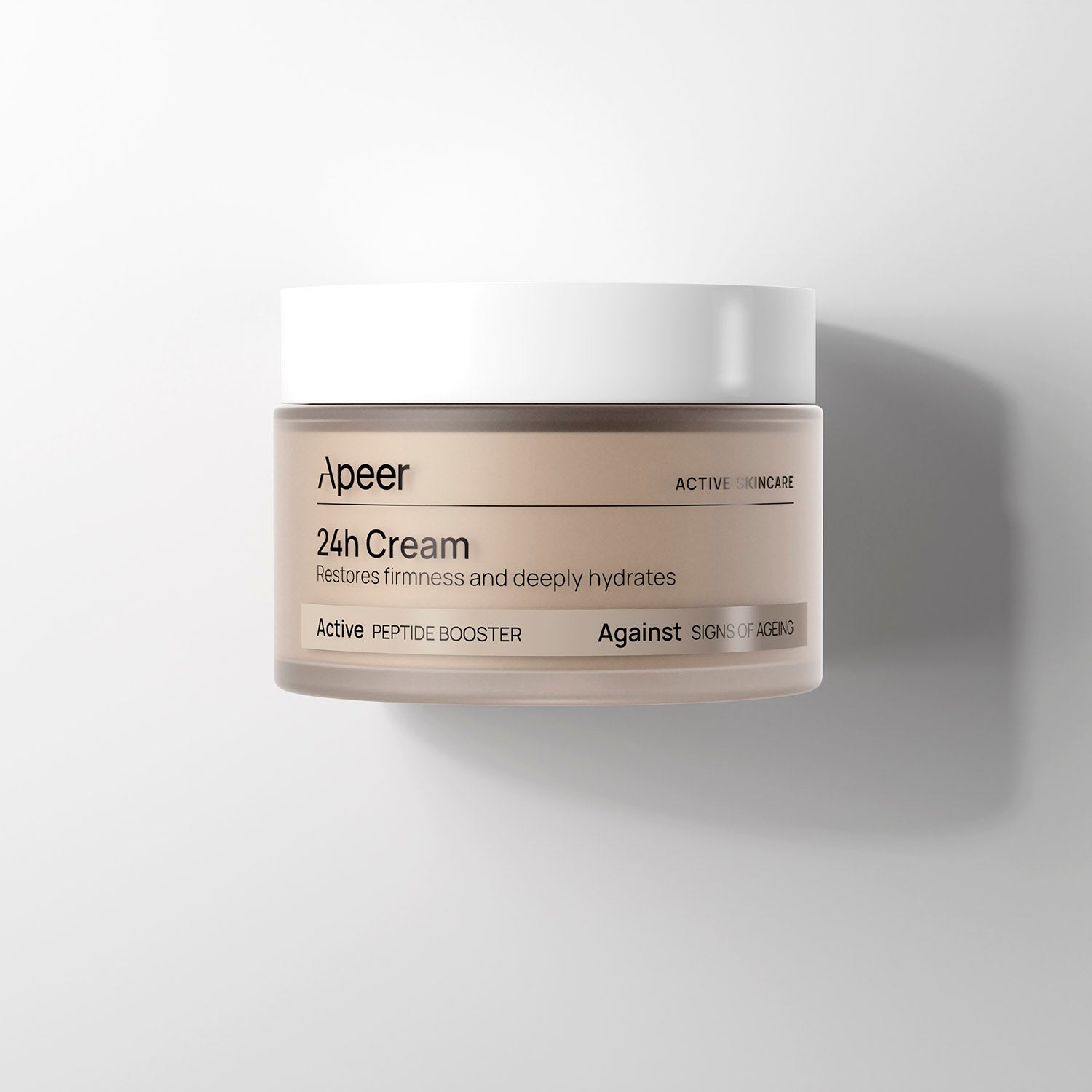
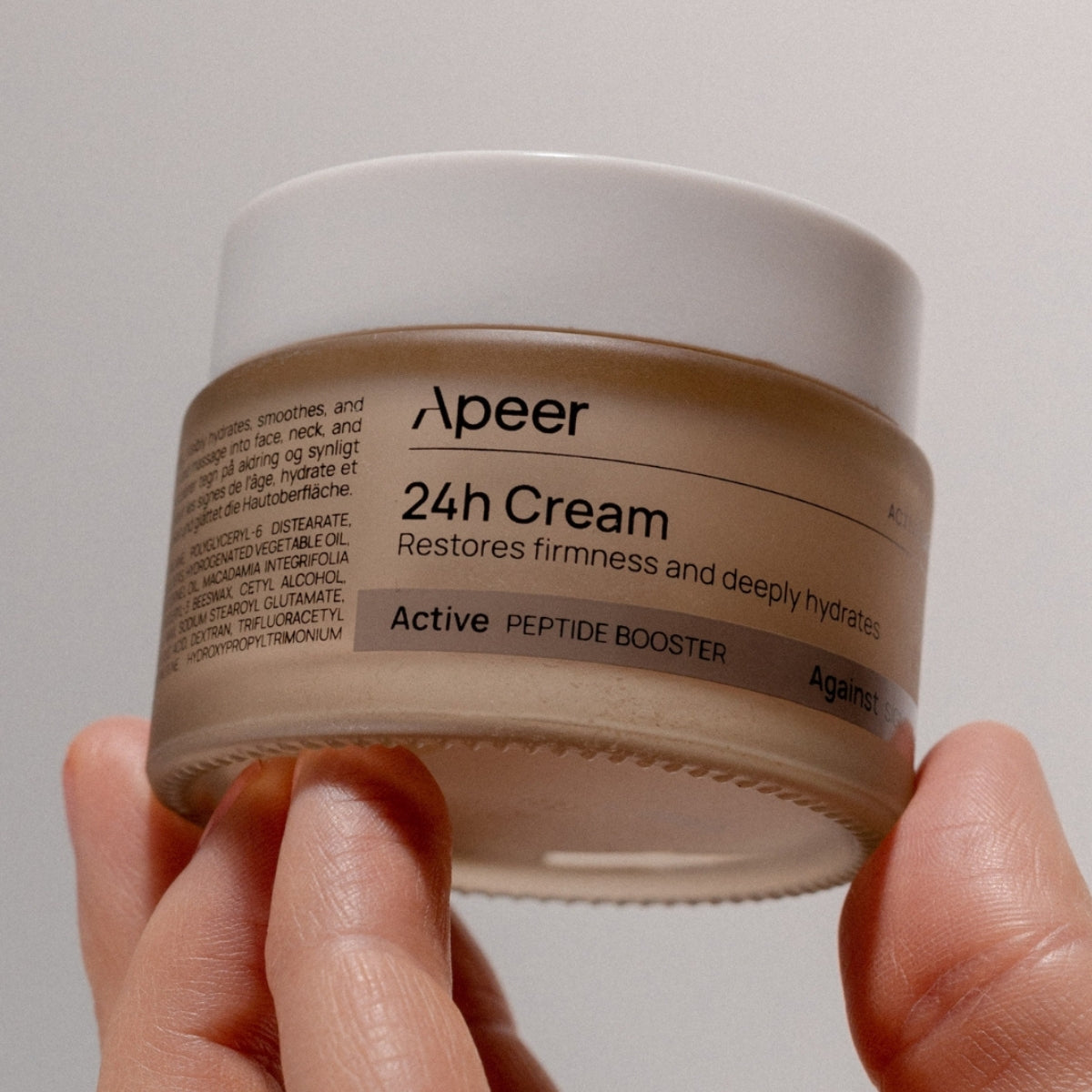
Moisturize: A moisturizer with ingredients like hyaluronic acid and glycerin can help restore the skin's moisture balance and provide a healthy glow. Our 24h Cream moisturizes the skin and has a light texture that absorbs quickly.
Nourish: Add a brightening serum with vitamin C to combat free radicals and promote a more even skin tone. Our Glowing Serum with vitamin C will be your new favorite for bringing glow back to your skin.
With the products above, dull skin can be helped to regain its natural radiance and vitality.
recognize skin challenges
Mature skin
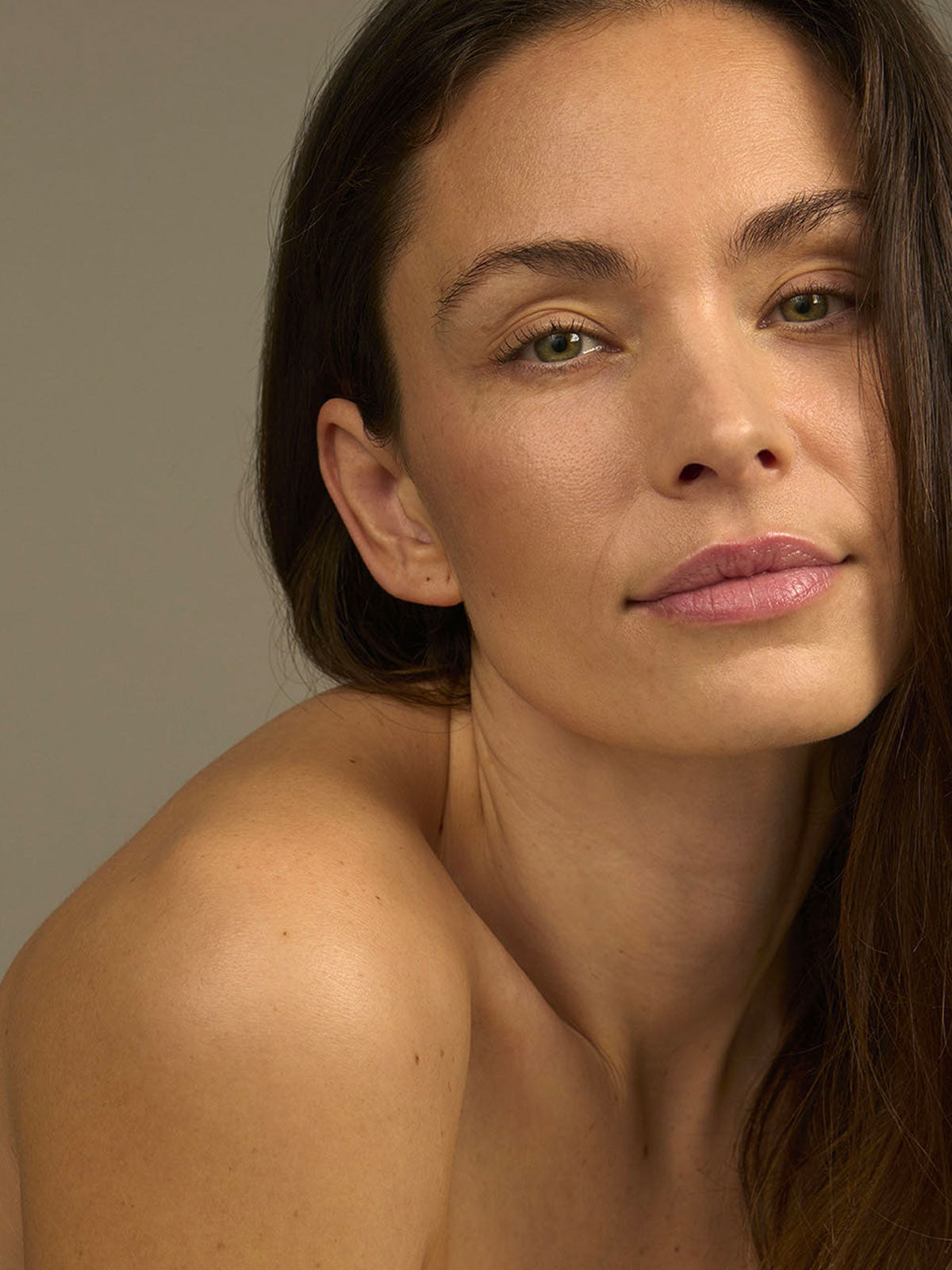
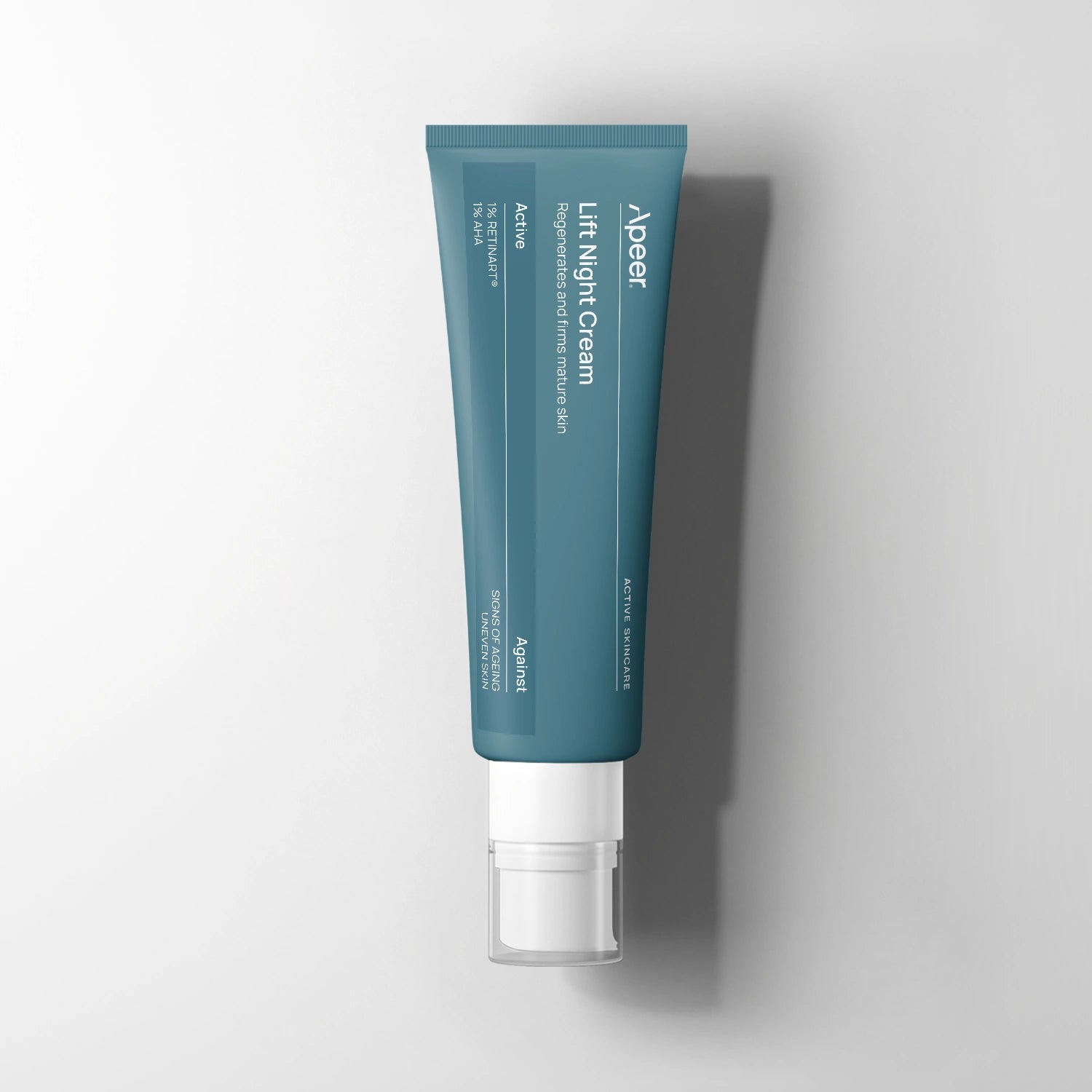
Mature skin is a natural part of the aging process and is characterized by loss of elasticity, the appearance of fine lines and wrinkles, and a drier and thinner texture. As skin ages, the production of collagen and elastin decreases, resulting in less firm and youthful skin. To care for mature skin, it is important to focus on moisturizing, nourishing, and protective products that help maintain the skin's health and vitality.
Understanding mature skin
Mature skin is a result of the natural aging process, where the production of collagen, elastin, and natural oils decreases. This leads to a loss of firmness, the appearance of fine lines and wrinkles, and dryness. Additionally, sun damage, pollution, and lifestyle factors such as smoking and poor diet can accelerate signs of aging. Understanding mature skin is about restoring its elasticity, hydration, and protection against further damage.
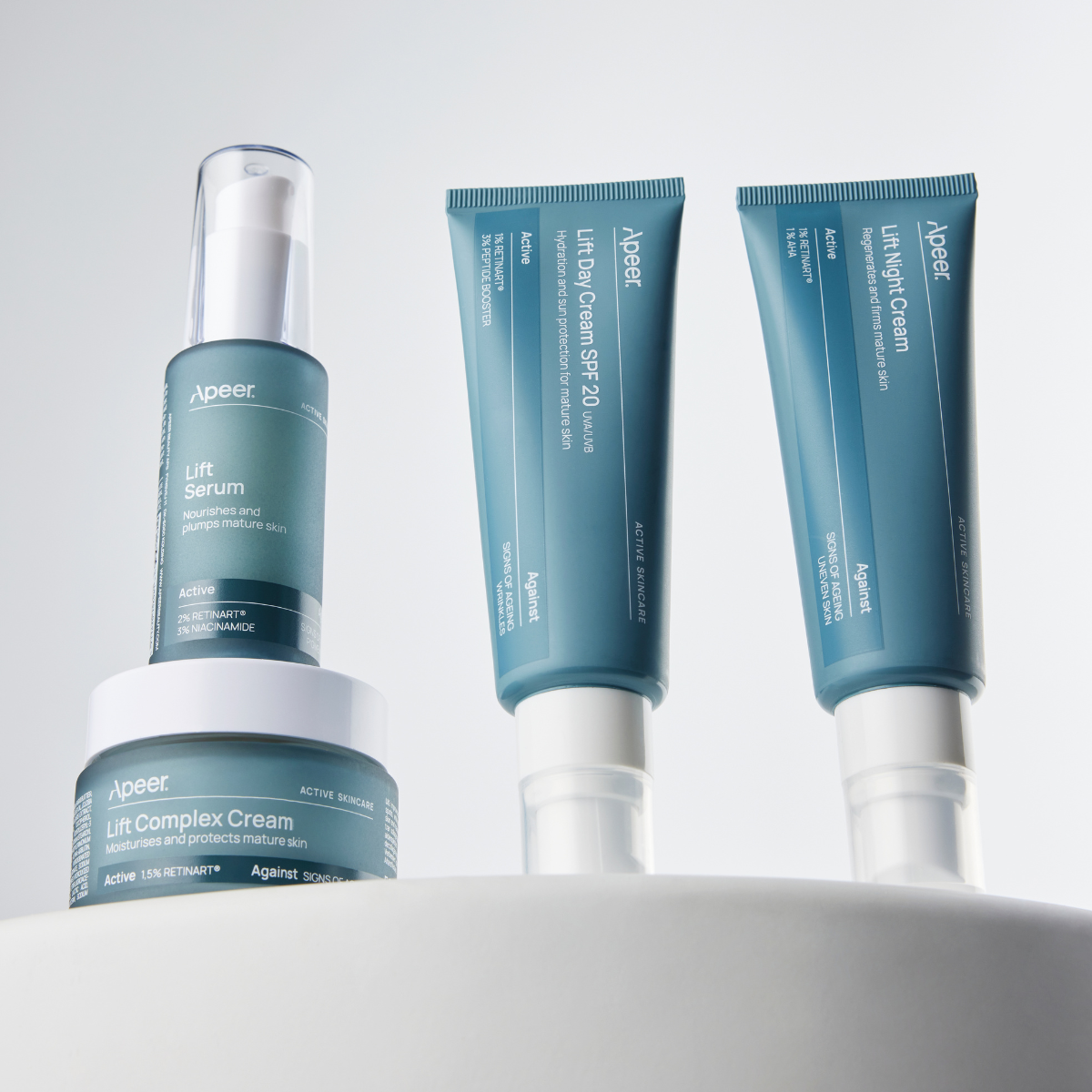
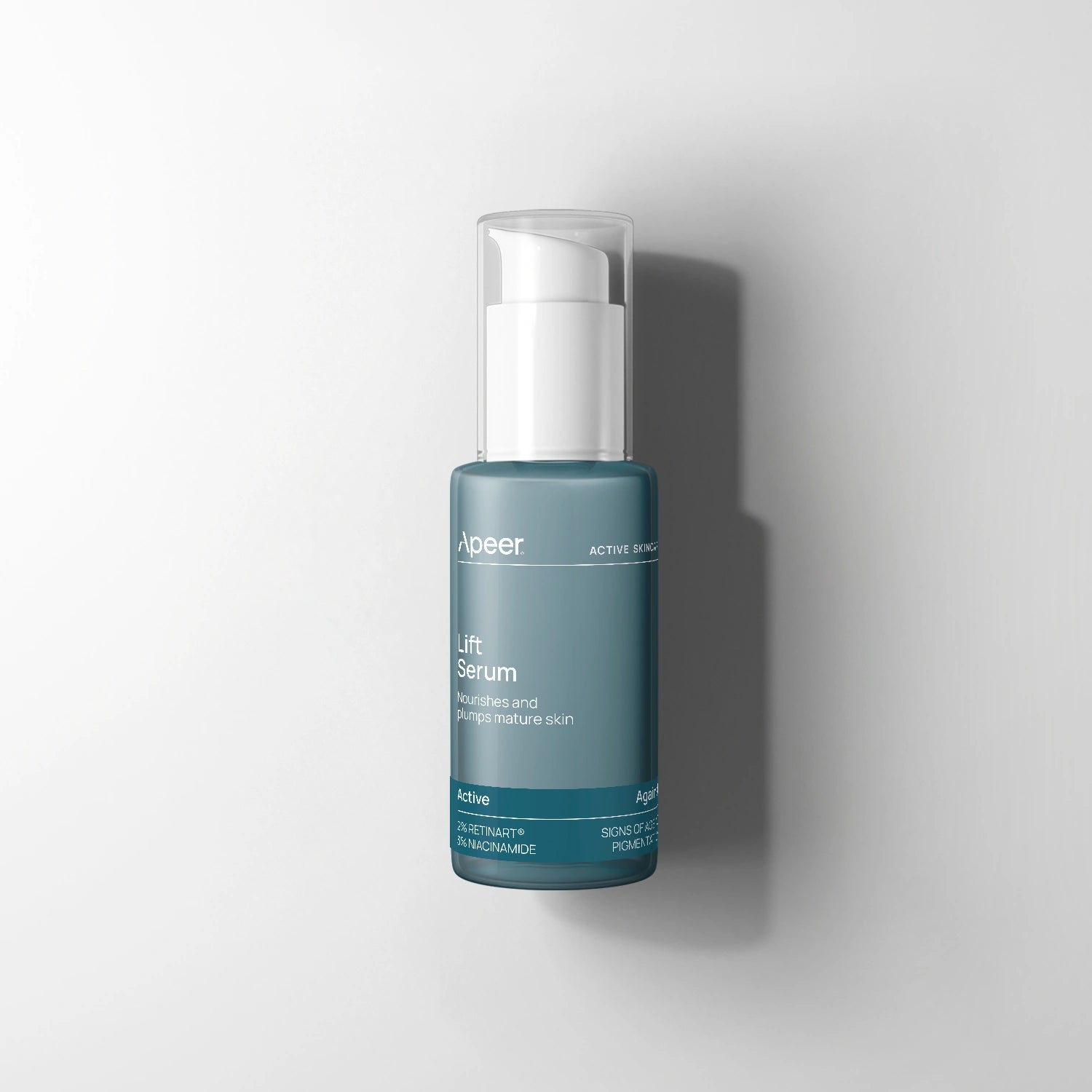
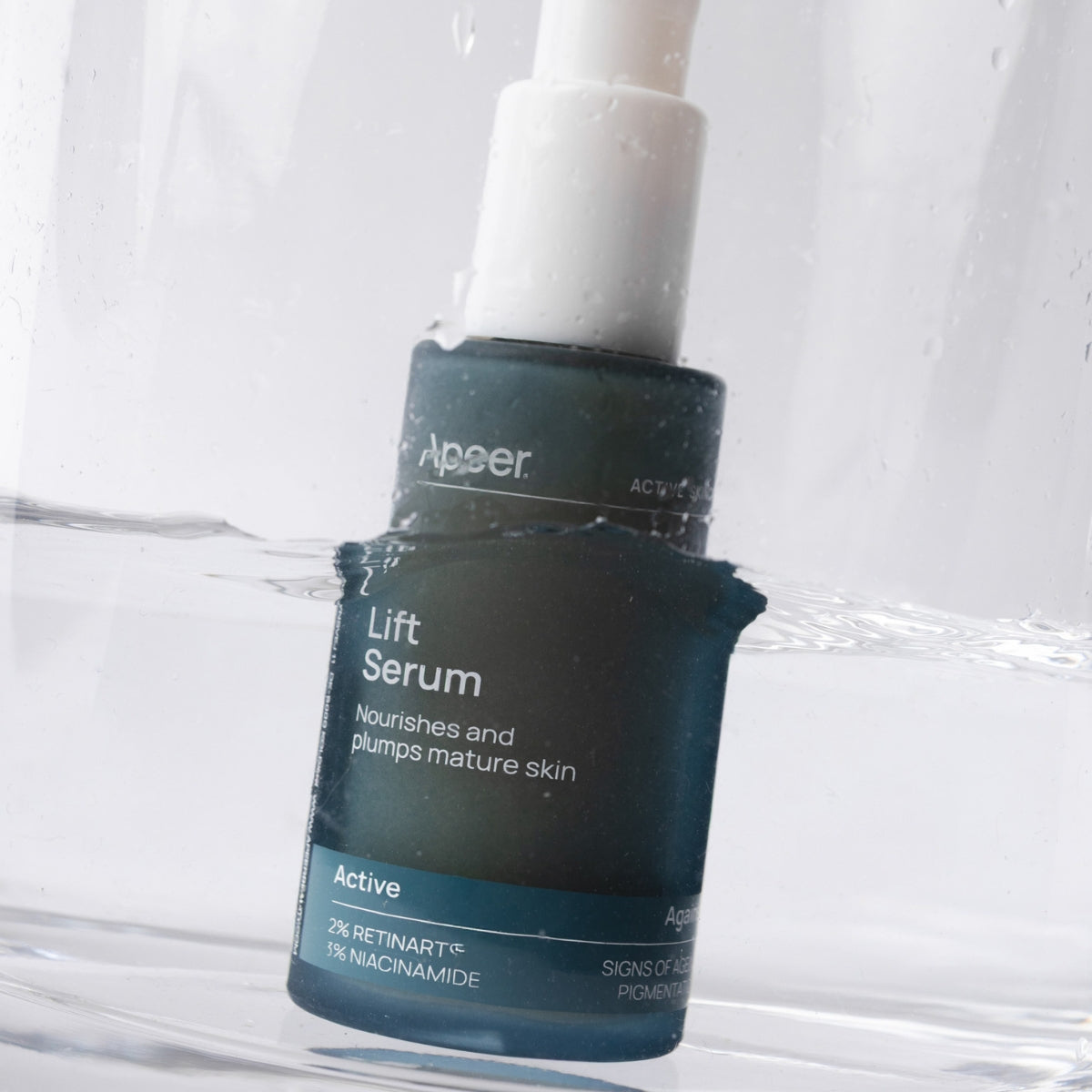
And that's precisely where our Lift Serum, created with mature skin in mind, comes into play. Our serum with RetinART®, the next generation of natural retinoid, specifically improves skin elasticity and firmness, while also reducing wrinkle depth. Its anti-aging benefits are uncompromising with the combination of niacinamide and vitamin C, which help to brighten hyperpigmentation and even out skin tone, ensuring skin with radiant vitality.
Signs of Mature Skin
- Fine lines and wrinkles.
- Loss of firmness and elasticity.
- Dryness and rough texture.
- Dark spots and uneven skin tone.
- Thinning skin.
Skincare mature skin
Skincare for mature skin is about rebuilding and protecting the skin through a targeted and gentle routine. Here are some important steps and products that can help keep mature skin healthy and radiant.
Cleanse: Use a cleansing product that cleanses the skin without stripping its natural oils. Cleansing Foam is particularly good for mature skin, where the foam is applied to dry skin, massaged in, and then rinsed off.
Treat: Use a serum with peptides, retinol, or a retinol alternative to stimulate collagen production and reduce fine lines and wrinkles. Again, we recommend our Lift Serum here.
Moisturize: A rich moisturizer like our Day Cream with ingredients such as hyaluronic acid, ceramides, and antioxidants can help rebuild the skin's barrier and maintain its moisture balance.
By following these steps, mature skin can maintain its health and vitality. Always remember to choose products developed to provide care for mature skin, and maintain a consistent routine to achieve the very best results.
recognise skin conditions
Rosacea
Rosacea is a chronic skin condition characterised by redness, visible blood vessels, and periodic outbreaks of small, red bumps. The condition typically affects the face, especially the cheeks, nose, forehead, and chin. Although the causes of rosacea are not fully understood, factors such as sunlight, stress, hot beverages, and certain foods can worsen symptoms. To care for rosacea-prone skin, it is important to focus on soothing and strengthening products that help minimise irritation and protect the skin from further damage.
Understand rosacea
Rosacea is a chronic inflammatory condition that affects the skin's blood vessels and can lead to persistent redness, visible spider veins, and in some cases, swelling and uneven skin texture. Stress, extreme temperatures, alcohol, and spicy food are common triggers that can worsen symptoms. Understanding rosacea involves identifying and avoiding triggers, as well as using products that help soothe and strengthen the skin.
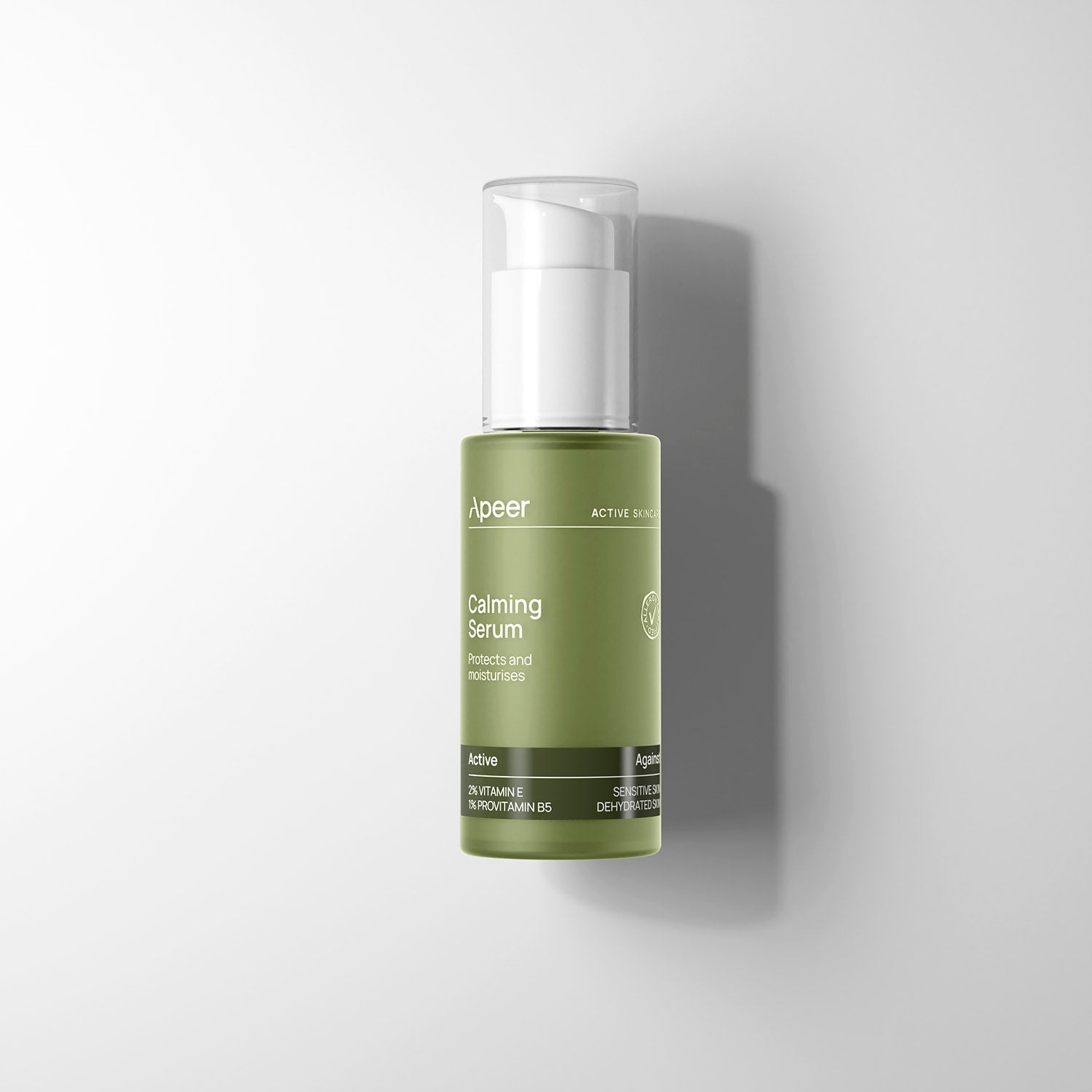
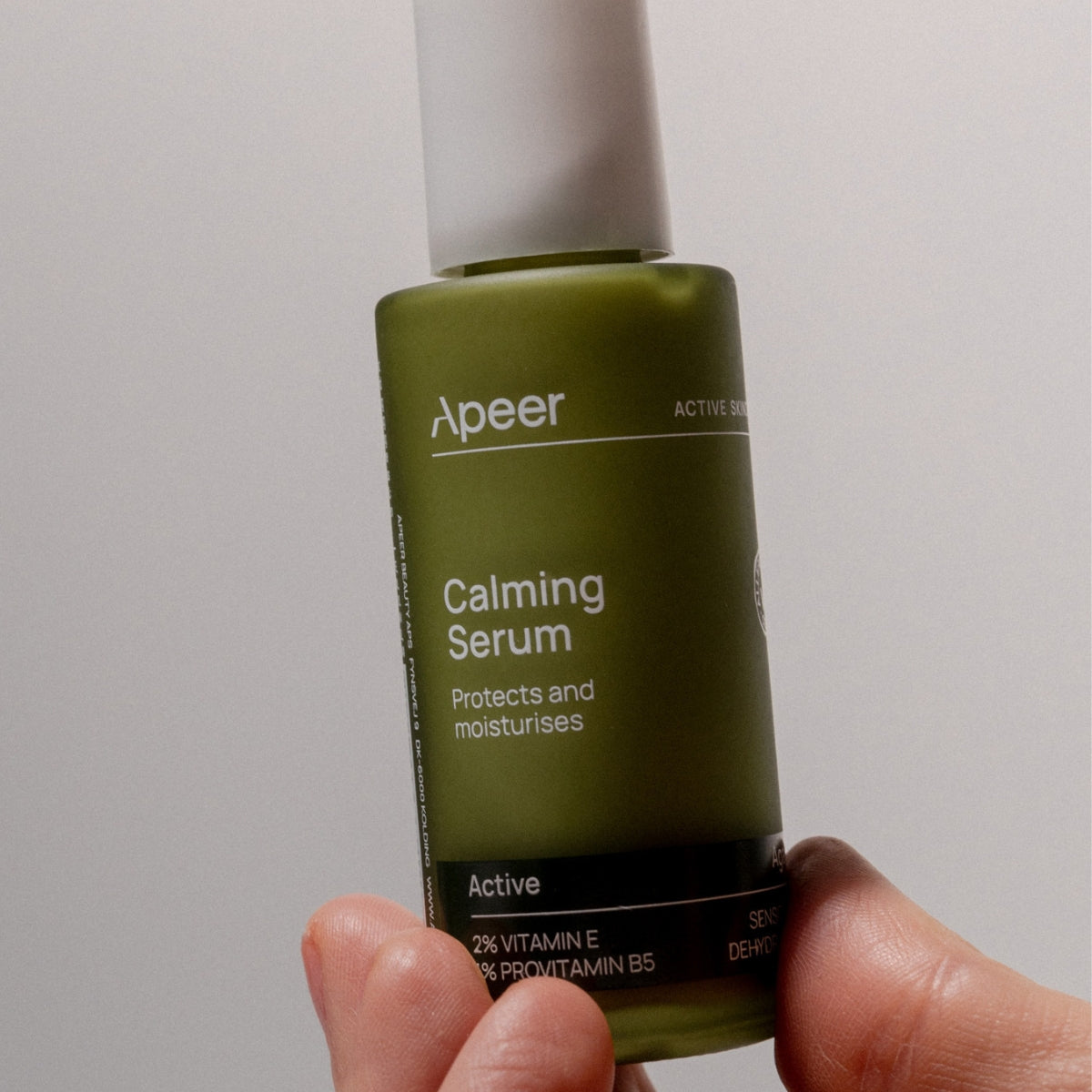
And this is precisely where our Calming Serum, created with sensitive and rosacea-prone skin in mind, comes into play. Our serum effectively reduces redness and irritation while strengthening the skin's barrier. Its anti-redness properties are enhanced with oat extract, which helps reduce visible blood vessels and improve the skin's overall appearance, giving you calm and balanced skin.
Symptoms of rosacea
- Persistent facial redness.
- Visible blood vessels.
- Small, red bumps.
- Swelling and uneven skin texture.
- Warm or burning sensation in the skin.
Skincare for Rosacea
Skincare for rosacea is about soothing and protecting the skin through a gentle and targeted routine. Here are some important steps and products that can help keep rosacea-prone skin healthy and calm.
Cleanse: Use a mild cleansing product that cleanses the skin without causing irritation. Cleansing Foam is particularly good for rosacea-prone skin, as it gently removes impurities while leaving the skin soothed and hydrated.
Treatment: Apply a serum with soothing ingredients like oat extract or vitamin E to reduce redness and strengthen the skin's barrier. Here we recommend our Calming Serum.
Moisturize: A light, moisturizing cream like our Lift Complex Cream helps maintain the skin's moisture balance and strengthen its natural barrier, without causing irritation.
By following these steps, rosacea-prone skin can maintain its health and balance. Always remember to choose products formulated for sensitive skin and maintain a consistent routine to achieve the best results.